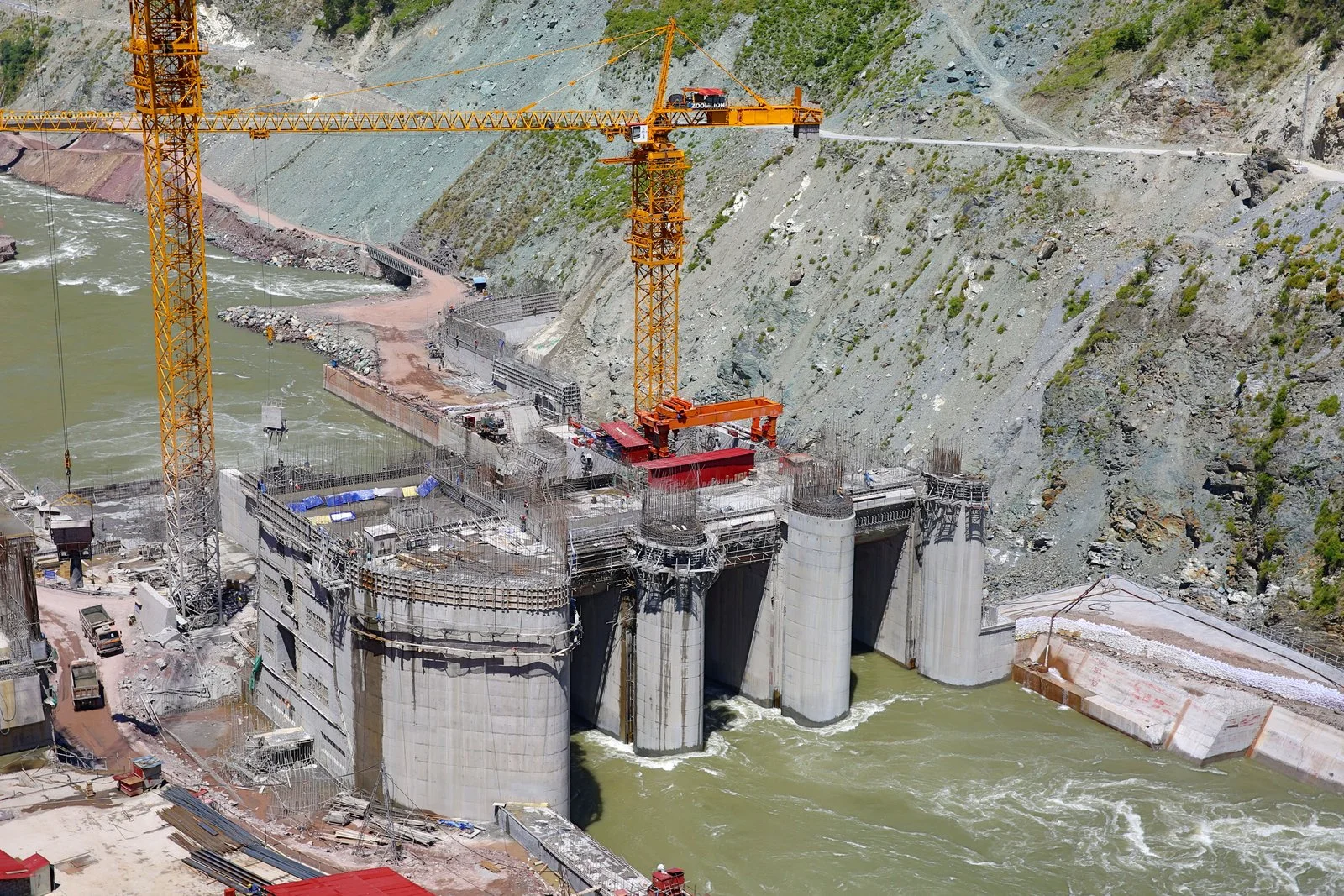
Dam Construction Progress: River Flows Through the New Spillway as Other Structures Take Shape
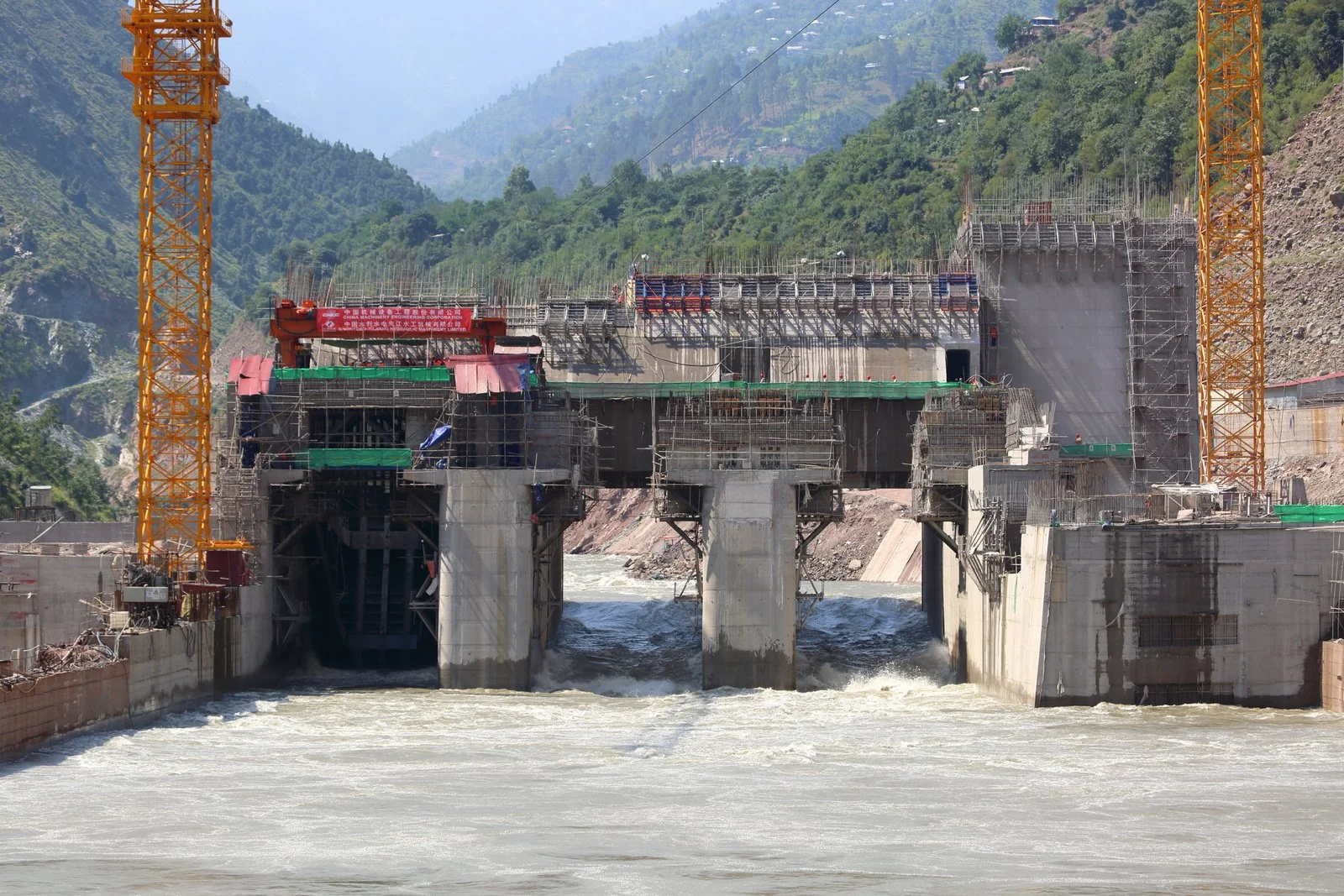
Few moments in the life of a dam project are as telling as the day the river is first passed through its new spillway. The photos in this gallery capture exactly that stage: water moving through the freshly built spillway structure, while the surrounding works are still under construction.
The River Meets the Spillway
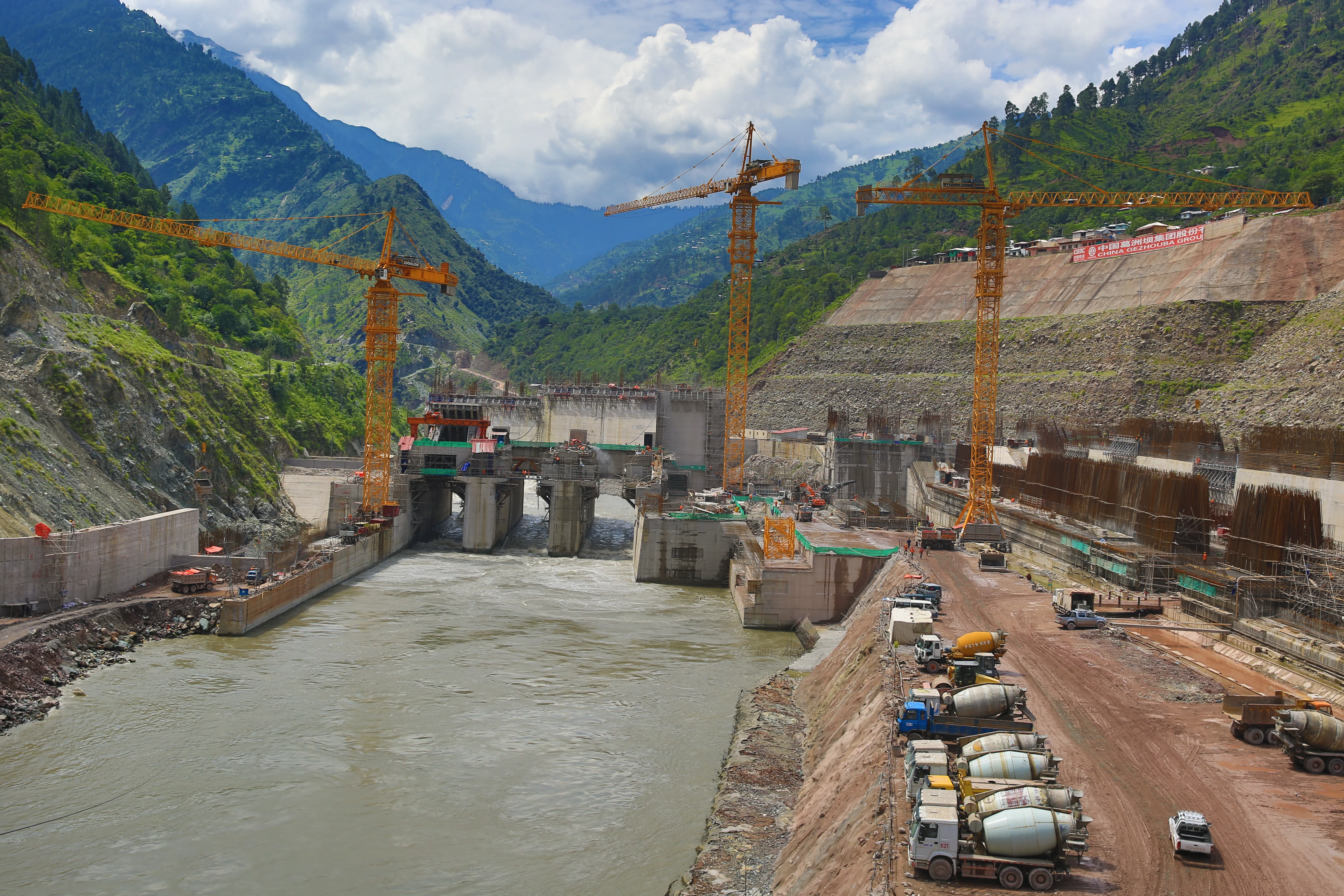
The central image shows the river channelled through the newly constructed spillway. The concrete chute, piers and training walls are largely complete, and the water now follows the path the designers intended. Seeing flow through the structure for the first time confirms that the alignment, the approach channel and the exit geometry are working together.
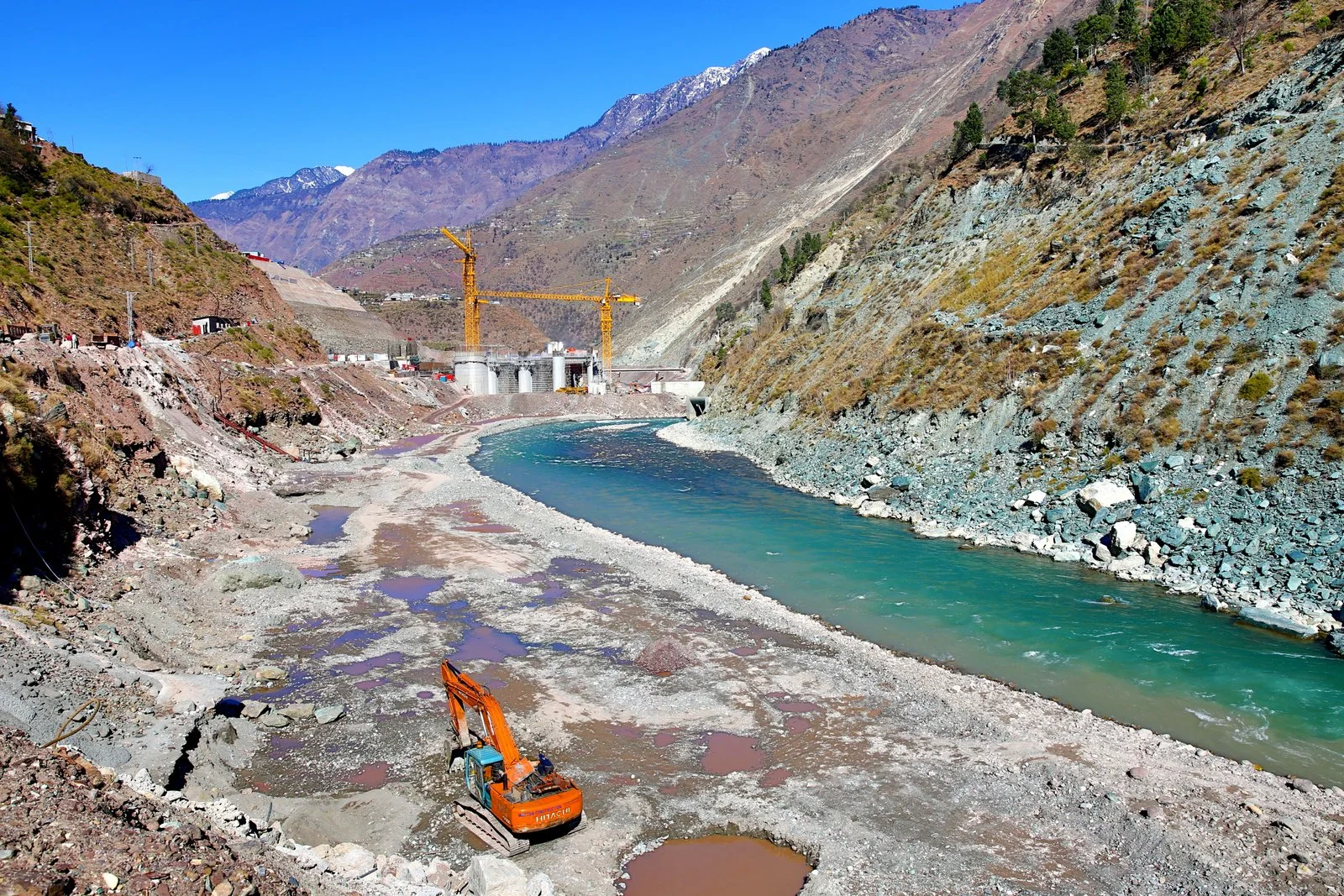
During construction, the river is normally diverted through a temporary arrangement so that dry working conditions can be kept at the main dam site. Passing flow through the permanent spillway is a major milestone, because it shows the structure can safely carry water while the rest of the dam is built or raised.
Why the Spillway Comes First
The spillway is the safety valve of a dam. Its job is to release surplus water, especially during floods, in a controlled way so that the reservoir never rises above its safe limit. Building it early gives the project a dependable route for flood flows while other works continue.
Key features visible or implied in the photos include:
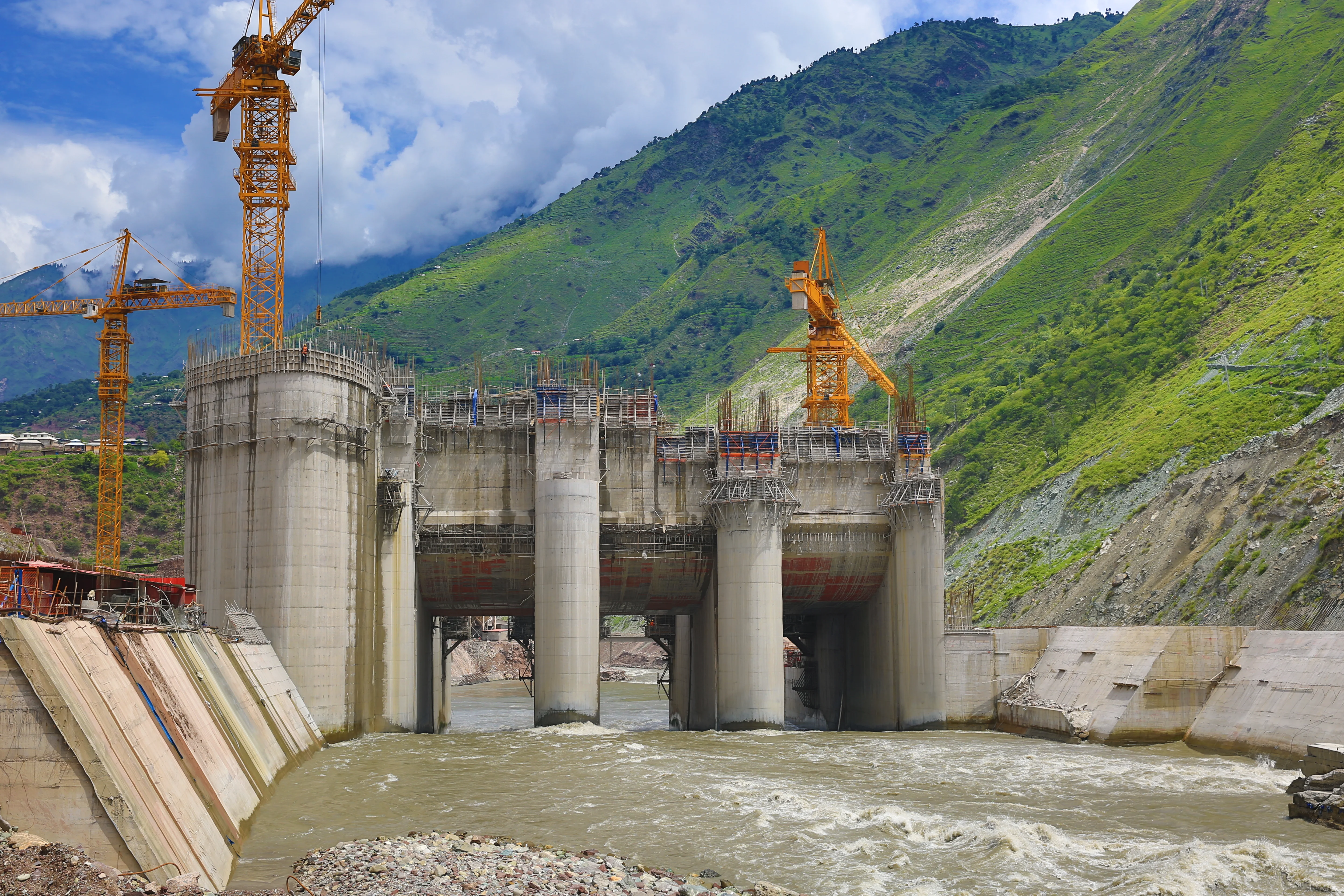
• The spillway chute and crest, where flow is controlled and accelerated.
• Side walls and piers that guide the water and support the gates.
• The energy-dissipation zone at the downstream end, which reduces the water's speed before it rejoins the river.
• Formwork, scaffolding and reinforcement steel on nearby sections still being completed.
Other Structures Under Construction
Around the spillway, the site is busy with other works at different stages. Concrete blocks of the main dam body are rising in lifts, retaining walls and abutments are being shaped, and access roads and working platforms are being maintained for cranes, trucks and concrete pumps.
Depending on the project layout, these works may also include the intake structure, the penstock alignment, the powerhouse foundation and the downstream stilling basin. Each of these must be coordinated carefully, since the order of work has a direct effect on safety, quality and schedule.
Safety and Quality on an Active River Site
Working beside flowing water adds extra demands. Crews monitor river levels and weather forecasts, keep temporary protection in place, and control access to areas near the water. Concrete is placed in controlled lifts, cured properly and tested, and surfaces that will carry high-velocity flow need especially careful finishing so they resist erosion and cavitation.
What Comes Next
With the spillway functioning, attention turns to completing the remaining civil works, installing gates and hoisting equipment, and preparing for commissioning tests. Later stages will include reservoir impoundment, gate operation trials and the first monitoring of the structure under load.
These photos record a stage that will never look the same again: a river finding its new path while a dam takes shape around it. They are a useful reference for engineers, students and anyone interested in how large water infrastructure is built.
Photo captions (suggested):
• River water passing through the newly constructed spillway.
• Spillway piers and training walls in their final stages of construction.
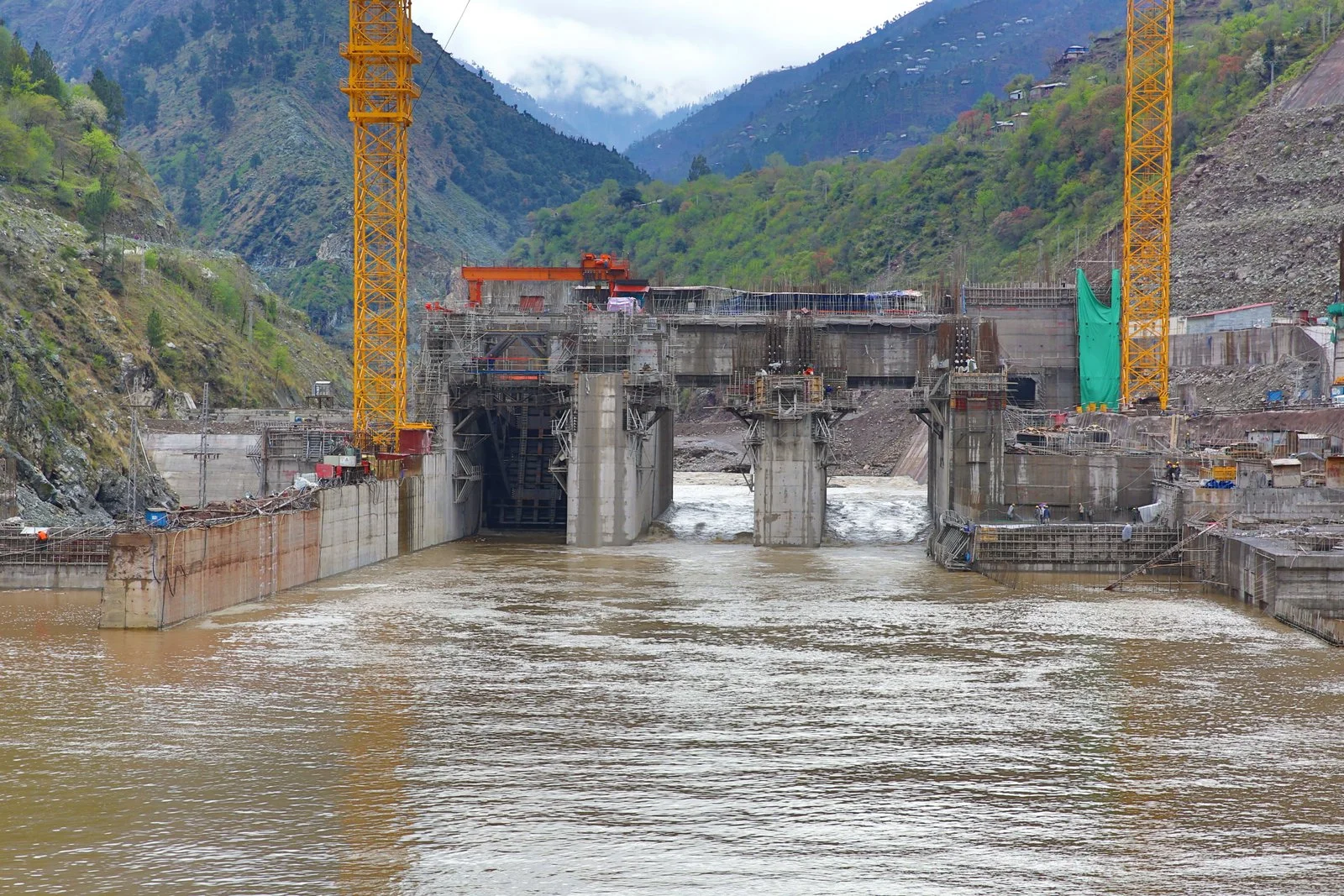
• Dam body and auxiliary structures still under construction beside the spillway.