Massive Floating Debris Cleaning Operation at the Dam Reservoir
When massive amounts of floating debris accumulate in a hydropower reservoir, it becomes a serious operational and safety challenge. During flood season, thousands of logs, tree branches, plastic waste, and vegetation are carried downstream by strong river currents and trapped near the dam intake and spillway structures.
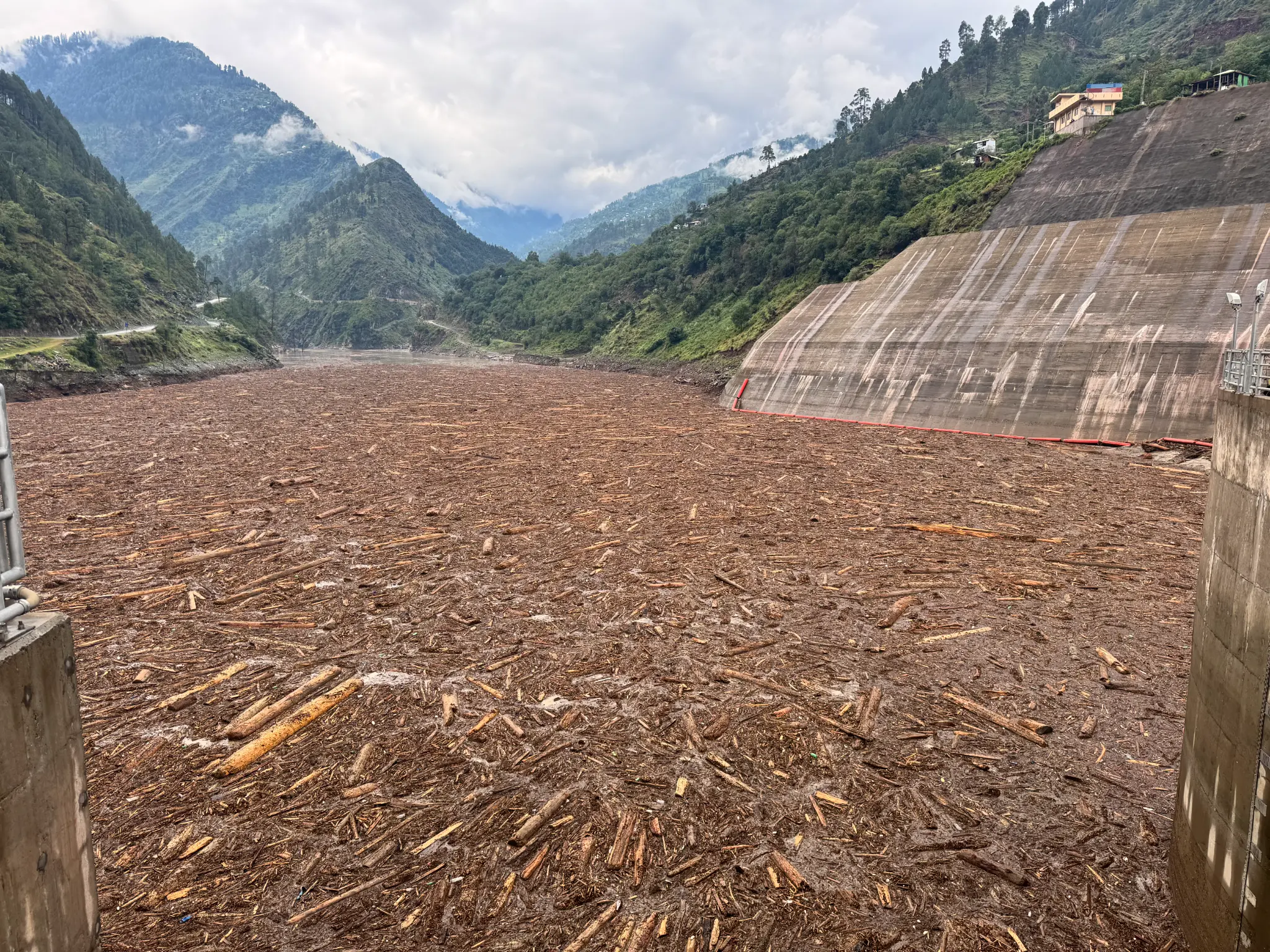
Why Floating Debris is Dangerous
Large debris accumulation can create several critical problems for dam operations:
- Blocking spillway gates and intake structures
- Reducing reservoir discharge efficiency
- Increasing hydraulic pressure near gates
- Damaging trash racks and mechanical equipment
- Creating risks for turbines and power generation systems
- Increasing upstream water levels during floods
At hydropower projects, continuous monitoring and emergency debris removal operations are essential to maintain safe reservoir operation.
How Debris Cleaning Operations Work
Dam operators usually deploy heavy machinery, floating booms, excavators, cranes, and workboats to remove the debris. In some cases, flap gates or spillway gates are partially opened to release floating material downstream safely.
The cleaning operation often continues day and night during peak flood inflows because debris can rapidly accumulate again within hours.
Main Steps of the Operation
- Monitoring reservoir debris movement
- Identifying blockage near intake structures
- Deploying excavators and floating equipment
- Opening gates for controlled debris release
- Transporting collected material for disposal
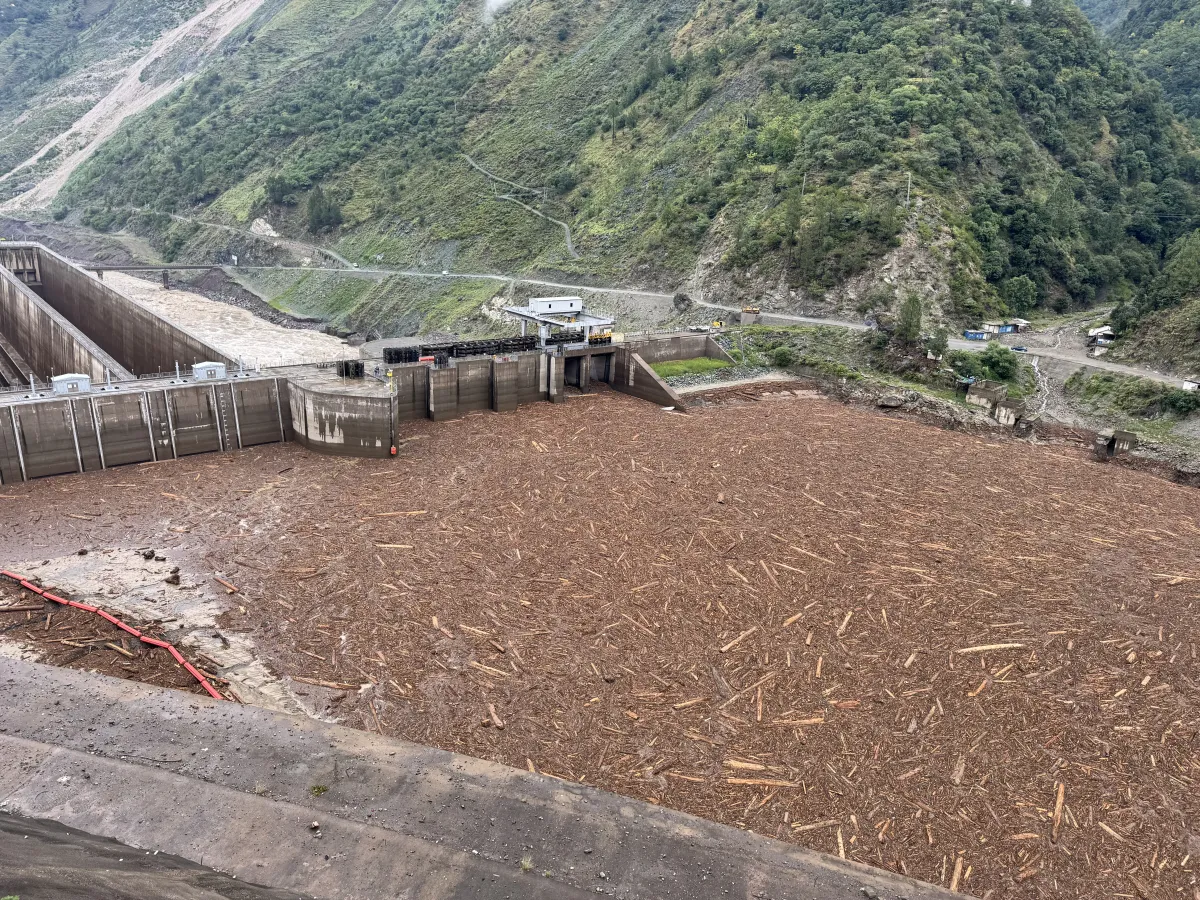
Environmental and Operational Challenges
Debris cleaning at large reservoirs is not only difficult but also dangerous. Strong currents, unstable floating logs, and changing water levels make the operation highly risky for workers and equipment operators.
Sediment-laden floodwater further reduces visibility and increases wear on hydraulic machinery.
Importance for Hydropower Plants
Efficient debris management helps ensure:
- Continuous electricity generation
- Safe spillway operation
- Protection of turbines and gates
- Reduced flood risks upstream
- Improved reservoir efficiency
Modern hydropower projects use advanced monitoring systems, floating barriers, and emergency response procedures to manage debris during extreme floods.