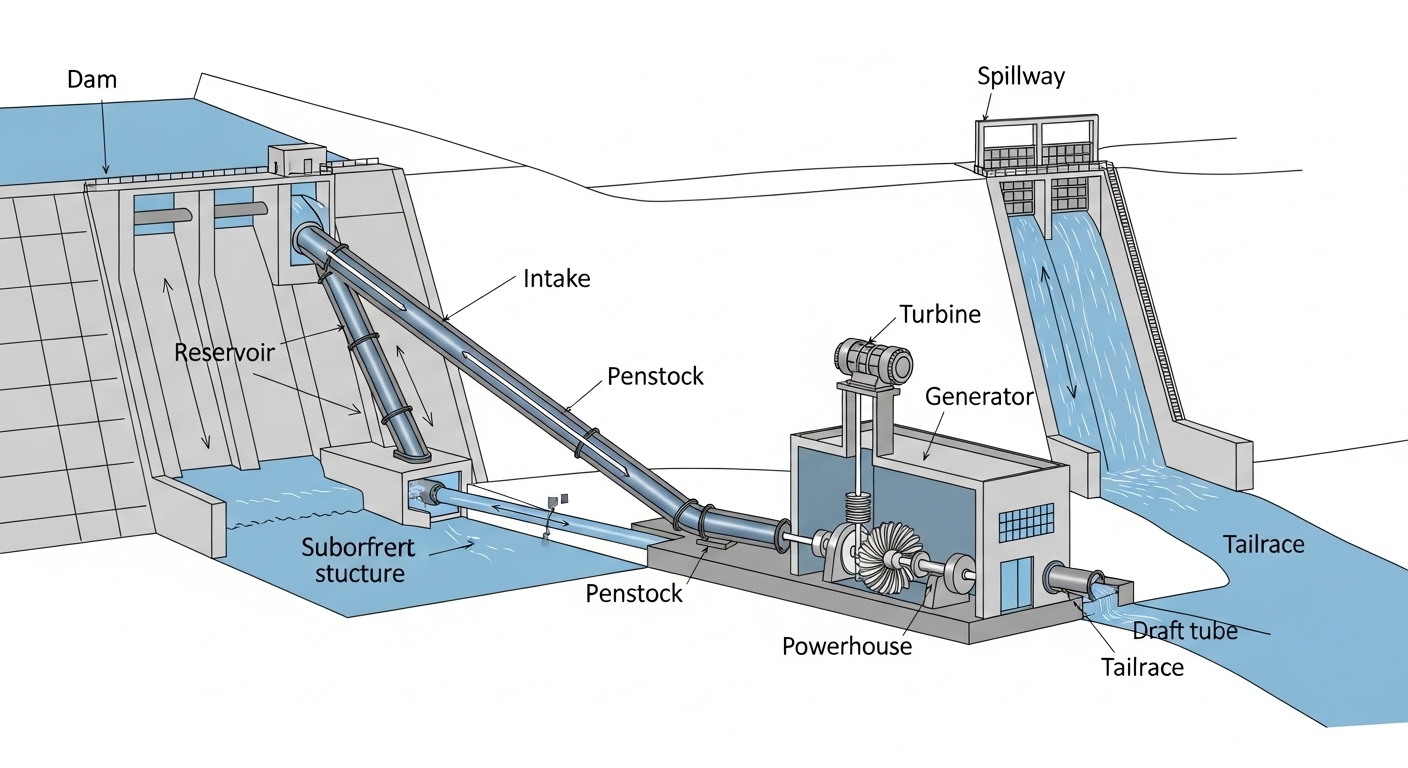
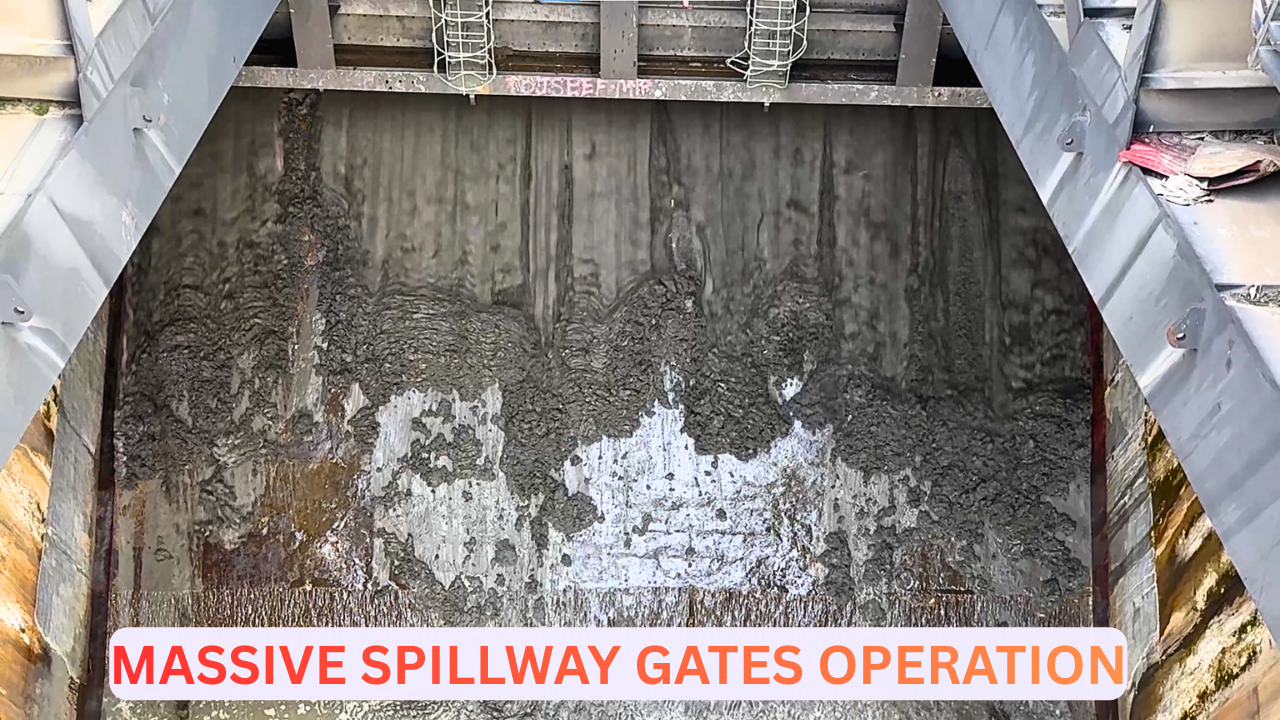
Hydropower dams are complex engineering systems where water management, gate operations, and sediment control play a vital role in safety and power generation. On this page, you’ll find a complete video playlist showcasing real-world dam operations, recorded directly from active hydropower projects.
This playlist covers:
Spillway gate opening and closing operations
Emergency sediment and debris flushing
Radial gate testing and maintenance
Reservoir level control during floods
Intake gate sediment release
Real dam engineering in action
These videos are ideal for civil engineers, hydropower professionals, engineering students, and anyone curious about how large dams actually work in real conditions.
Watch the Full Playlist Below
Embedded YouTube Playlist
👉 Subscribe on YouTube for regular updates on dam safety, hydraulic structures, and hydropower engineering
A powerful cloudburst in Pakistan’s scenic Neelum Valley has triggered severe flash flooding, causing a massive volume of floating debris to accumulate in a major reservoir. The shocking visuals show the water surface completely covered with tree trunks, branches, and mud, highlighting the destructive impact of extreme weather events on the region’s fragile ecosystem and infrastructure.
What Happened in Neelum Valley?
Following days of intense rainfall, a sudden cloudburst unleashed torrents of water down the steep mountain slopes of Neelum Valley. The fast-moving floodwater swept away trees, soil, and construction material, carrying it directly into the downstream reservoir.
As a result, an enormous debris field formed, stretching across the water surface and creating serious challenges for dam operations and water management authorities.
Impact on the Reservoir and Dam Operations
The floating debris poses multiple risks:
Blocked water flow through spillways and gates
Threat to hydropower turbines and intake systems
Increased pressure on dam structure
Disruption of electricity generation
Potential downstream flooding risk if debris suddenly shifts
Emergency teams have reportedly been deployed to monitor the situation and initiate cleanup operations using heavy machinery and specialized equipment.
Environmental Concerns
Experts warn that such events are becoming more frequent due to:
Climate change
Rapid glacier melt
Deforestation in mountainous areas
Unregulated construction along riverbanks
The accumulated debris not only damages infrastructure but also harms aquatic life by reducing oxygen levels and blocking sunlight penetration in the water.
Climate Change and Rising Cloudburst Events
Cloudbursts are sudden, intense rainfall events that dump massive amounts of water in a short time. In recent years, northern Pakistan, including Neelum Valley, has seen a sharp rise in these extreme weather patterns.
Meteorologists link this trend to changing climate conditions, making the region more vulnerable to flash floods, landslides, and infrastructure damage.
Government & Rescue Response
Local authorities are:
Conducting damage assessments
Clearing debris from reservoir surface
Issuing weather alerts for nearby areas
Monitoring dam safety levels
Assisting affected communities
Residents living downstream have also been advised to stay alert for possible water release from the dam.
Final Thoughts
The massive debris accumulation in Neelum Valley’s reservoir is a stark reminder of nature’s growing unpredictability. It highlights the urgent need for:
Better disaster preparedness
Improved forest management
Early warning systems
Climate resilience planning
Protecting mountain ecosystems is essential to prevent such disasters in the future.
🔍 SEO Keywords
Neelum Valley cloudburst, reservoir debris, flash floods Pakistan, floating debris dam, Neelum Valley floods, climate change Pakistan, hydropower dam debris, mountain flood disaster, Azad Kashmir weather, Pakistan monsoon floods
Tarbela Dam, spanning the powerful Indus River in Pakistan, stands as one of the world’s largest earth-filled dams. Its spillway plays a vital role in flood management, structure safety, and hydropower efficiency.
Watch the Spillway in Action
Above is a dramatic video titled “Largest Dam Spillway 7 Gates Opening” showing the spillway gates in operation—an impressive engineering spectacle.
What is a Spillway?
A spillway is a controlled outlet on a dam used to safely channel excess water downstream, preventing structural stress and overtopping. At Tarbela, this is achieved through gated service spillways, built as durable concrete passages to handle immense water pressure during floods.
Spillway Design at Tarbela Dam
Type: Service spillway featuring multiple gated openings. Structure: Heavy-duty concrete chutes that regulate and direct water flow. Capacity: Built to discharge millions of cubic feet per second during peak water levels.
Importance of Tarbela’s Spillway
Function
Description
Flood Control
Safely releases excess water to protect downstream communities.
Dam Safety
Prevents overtopping that could threaten structural integrity.
Sediment Flushing
Helps manage silt buildup in the reservoir.
Hydropower Function
Maintains ideal water levels for efficient power generation.
Engineering in Action
From the photo earlier and the video above, you can witness the dynamic interplay between the serene reservoir and the controlled power release through the spillway. It’s a powerful visual of how natural forces and human engineering come together.
Why Visit Tarbela?
The spillway experience is unforgettable: standing close to the roaring discharge, visitors feel the Indus River’s raw power—contained yet unstoppable. It’s a living lesson in civil engineering and hydropower design.
A Dam spillway | Indus River dam | hydropower Pakistan | flood control | dam engineering | reservoir discharge
When a cloudburst flood hits mountainous regions, it doesn’t just bring water—it also carries huge amounts of soil, rocks, and uprooted trees. One of the most striking effects is seen in dam reservoirs, where floating logs and wooden debris pile up after heavy floods. This natural phenomenon creates serious operational challenges for dam authorities and highlights the raw power of nature.
How Floods Carry Woods Into Reservoirs
During intense rainfall and flash flooding:
Uprooted trees and branches are swept away by fast-moving rivers. Landslides triggered by heavy rain push forest debris downstream. Strong water currents transport logs until they settle in the reservoir.
As a result, the dam surface becomes a massive floating carpet of wood debris, blocking clear water flow.
Impact of Floating Logs on Dams
Flood-borne wood debris can cause multiple problems:
Blockage of Spillways – Floating logs can obstruct radial and flap gates. Damage to Structures – Logs hitting spillways, intake gates, and tunnels may cause cracks or damage. Reduced Storage Efficiency – Thick wood layers reduce water flow and storage. Higher Maintenance Costs – Clearing thousands of logs requires heavy machinery and manpower.
How Reservoirs Manage Flood Debris
To ensure smooth dam operation, several measures are taken:
Log Booms: Steel ropes across reservoirs to trap floating wood before reaching spillways. Mechanical Clearing: Cranes, barges, and excavators remove the accumulated debris. Flushing Operations: Controlled water releases help push logs downstream.
A Repeated Challenge for Mountain Dams
Every year, especially during the monsoon, mountain dams face the challenge of floating wood after floods. It is a reminder that while dams provide hydropower, irrigation, and flood control, they also need continuous maintenance to fight the impacts of nature.
Conclusion
The sight of flood-borne logs floating in a dam reservoir may look dramatic, but it highlights the constant struggle between natural disasters and man-made structures. Proper debris management ensures that dams continue to operate safely while preserving water quality and storage capacity.
For more insights into mountain adventures, floods, and reservoir management, visit AdventureNat Online – your guide to nature and engineering.
SEO Meta Data
Meta Title: Flood Brings Woods Into Dam Reservoir | Floating Logs After Cloudburst
Meta Description: Discover how cloudburst floods bring floating logs and debris into dam reservoirs. Learn about the impact on dams, maintenance challenges, and solutions for managing flood-borne wood.
Tags: cloudburst flood, floating logs in reservoir, flood brings wood into dam, dam flood debris, reservoir maintenance, floating wood after flood, mountain dam challenges
👉 Do you want me to make this in a WordPress-ready format (HTML with headings, meta tags, and image alt text) so you can just paste it into your site editor?
Cookie Consent
We use cookies to improve your experience on our site. By using our site, you consent to cookies.
Contains information related to marketing campaigns of the user. These are shared with Google AdWords / Google Ads when the Google Ads and Google Analytics accounts are linked together.
90 days
__utma
ID used to identify users and sessions
2 years after last activity
__utmt
Used to monitor number of Google Analytics server requests
10 minutes
__utmb
Used to distinguish new sessions and visits. This cookie is set when the GA.js javascript library is loaded and there is no existing __utmb cookie. The cookie is updated every time data is sent to the Google Analytics server.
30 minutes after last activity
__utmc
Used only with old Urchin versions of Google Analytics and not with GA.js. Was used to distinguish between new sessions and visits at the end of a session.
End of session (browser)
__utmz
Contains information about the traffic source or campaign that directed user to the website. The cookie is set when the GA.js javascript is loaded and updated when data is sent to the Google Anaytics server
6 months after last activity
__utmv
Contains custom information set by the web developer via the _setCustomVar method in Google Analytics. This cookie is updated every time new data is sent to the Google Analytics server.
2 years after last activity
__utmx
Used to determine whether a user is included in an A / B or Multivariate test.
18 months
_ga
ID used to identify users
2 years
_gali
Used by Google Analytics to determine which links on a page are being clicked
30 seconds
_ga_
ID used to identify users
2 years
_gid
ID used to identify users for 24 hours after last activity
24 hours
_gat
Used to monitor number of Google Analytics server requests when using Google Tag Manager
1 minute
Marketing cookies are used to follow visitors to websites. The intention is to show ads that are relevant and engaging to the individual user.
A video-sharing platform for users to upload, view, and share videos across various genres and topics.
Registers a unique ID on mobile devices to enable tracking based on geographical GPS location.
1 day
VISITOR_INFO1_LIVE
Tries to estimate the users' bandwidth on pages with integrated YouTube videos. Also used for marketing
179 days
PREF
This cookie stores your preferences and other information, in particular preferred language, how many search results you wish to be shown on your page, and whether or not you wish to have Google’s SafeSearch filter turned on.
10 years from set/ update
YSC
Registers a unique ID to keep statistics of what videos from YouTube the user has seen.
Session
DEVICE_INFO
Used to detect if the visitor has accepted the marketing category in the cookie banner. This cookie is necessary for GDPR-compliance of the website.
179 days
LOGIN_INFO
This cookie is used to play YouTube videos embedded on the website.