
Author: aryan4039

  • The Fascinating Morel Mushroom: A Rare Treasure of the Wild

    The Fascinating Morel Mushroom: A Rare Treasure of the Wild

    The morel mushroom (Morchella) is one of nature’s most sought-after wild fungi, prized by foragers and gourmet chefs alike. With its unique honeycomb-like structure and rich, earthy flavor, this elusive mushroom is a true delicacy.

    What Makes Morel Mushrooms Special?

    • Rare & Seasonal: Morels appear for a short time in spring, making them highly valuable.

    • Distinctive Appearance: Their sponge-like cap helps distinguish them from other mushrooms.

    • Rich Flavor Profile: Known for their nutty, umami taste, they enhance a variety of dishes.

    • Foraging Challenge: Morels are difficult to cultivate, making wild harvesting the primary source.

    Where Do Morels Grow?

    Morels thrive in moist, wooded areas, often found near decaying trees, mossy patches, and leaf litter. They are most commonly spotted in temperate forests across North America, Europe, and Asia.

    Cooking & Culinary Uses

    Due to their deep, earthy flavor, morels are a favorite in fine dining. They can be sautéed with butter, added to creamy sauces, or used in gourmet dishes like risottos and soups.

    Foraging Tips & Safety

    • Always identify correctly—some toxic lookalikes exist.

    • Harvest sustainably by leaving some mushrooms to ensure regrowth.

    • Cook thoroughly, as raw morels contain mildly toxic compounds.

    #MorelMushrooms #WildEdibles #Foraging #MushroomHunting #GourmetFood #NatureLovers #SpringHarvest #EdibleMushrooms #ForestFinds #WildFood

  • Mega Dam Reservoir at Dead Level: A Closer Look at Silt Flushing and Water Management

    Mega Dam Reservoir at Dead Level: A Closer Look at Silt Flushing and Water Management

    Welcome to our in-depth exploration of how mega dam reservoirs operate when they reach dead level—and the vital process of silt flushing through irrigation valves. This article will highlight the key points of reservoir management, sediment control, and the broader implications for downstream ecosystems.

    1. Understanding the Dead Level Stage

    When a reservoir hits its dead level, the water volume falls to the lowest operational threshold. At this stage, regular outlets may no longer function effectively for:

    • Hydropower generation

    • Municipal water supply

    • Agricultural irrigation

    Instead, dam operators rely on low-level outlets (or irrigation valves) to manage water flow. Reaching this point can be indicative of drought conditions or a planned drawdown for maintenance.

    SEO Keywords:

    • Mega dam reservoir

    • Dead level water

    • Irrigation valves

    • Drought conditions

    2. Why Silt Flushing Matters

    a) Sediment Accumulation

    Over time, silt and other sediments accumulate in a reservoir, reducing its capacity and threatening water management objectives. This buildup can also damage turbines and reduce hydropower efficiency.

    b) Flushing Through Irrigation Valves

    By opening bottom outlets or specially designed irrigation valves, engineers can flush out excess sediment. The silt flushing process helps maintain reservoir capacity, protects dam infrastructure, and can improve water quality downstream if managed responsibly.

    SEO Keywords:

    • Silt flushing

    • Sediment control

    • Water management

    • Bottom outlets

    3. Environmental and Community Impacts

    a) Downstream Ecosystem Health

    Releasing sediment-laden water can temporarily increase turbidity and impact aquatic habitats. However, controlled silt flushing can also deliver nutrients downstream, supporting riverine ecosystems in the long term.

    b) Agricultural Considerations

    When a dam is at dead level, water availability for irrigation may be limited. Careful planning of silt flushing operations can minimize disruptions to farming communities and ensure sustainable crop irrigation schedules.

    SEO Keywords:

    • Downstream ecosystems

    • Aquatic habitats

    • Farming communities

    • Crop irrigation

    4. Best Practices in Reservoir Management

    1. Scheduled Drawdowns

    Plan reservoir drawdowns during periods of low water demand to minimize impact on irrigation and drinking water supplies.

    2. Regular Monitoring

    Use real-time sensors and satellite imagery to track sediment levels and predict the best times for silt flushing.

    3. Infrastructure Maintenance

    Maintain and upgrade low-level outlets, spillways, and turbines to handle sediment loads effectively.

    4. Community Collaboration

    Engage with local stakeholders, farmers, and environmental agencies to align silt flushing schedules with agricultural cycles and ecological needs.

    SEO Keywords:

    • Reservoir management

    • Low-level outlets

    • Stakeholder engagement

    • Environmental agencies

    5. Looking Ahead: Sustainability and Efficiency

    As climate patterns shift and water resources become more strained, effective reservoir and dam management is increasingly critical. By adopting sustainable practices, leveraging advanced technology, and coordinating with local communities, we can ensure long-term benefits for both humans and ecosystems.

    Join the Conversation

    Have insights or experiences related to mega dam operations, dead level challenges, or silt flushing? Share your thoughts in the comments or on social media.

    Hashtags for Easy Sharing

    #MegaDam #ReservoirManagement #DeadLevel #SiltFlushing #Irrigation #Hydropower #WaterManagement #Sustainability #Drought #SedimentControl #EnvironmentalImpact #DamOperations

  • Dam Release Discharge in Monsoon Rains

    Dam Release Discharge in Monsoon Rains


    At AdventureNat.Online, we chase storms, scale peaks, and embrace the untamed forces of nature. Few spectacles match the primal energy of a dam release discharge during monsoon rains—a fusion of human engineering and nature’s wrath. Here’s why this phenomenon belongs on every adventurer’s radar.


    What is Dam Release Discharge?

    During heavy rainfall, dams release excess water to prevent overflow and structural damage. The result? A jaw-dropping surge of water roaring through spillways, often amplified by rain’s relentless downpour. It’s a rare moment where human infrastructure bows to nature’s demands.


    Why Adventurers Should Care

    1. Thrill of the Storm
      Feel the ground vibrate as billions of gallons of water explode from the dam’s gates. The combination of monsoon rains and discharge creates a sensory overload—deafening roars, blinding spray, and adrenaline-pumping energy.
    2. Photographer’s Goldmine
      Capture the raw drama: silvery water arcs cutting through storm clouds, rainbows forming in the mist, and the eerie beauty of floodlights illuminating the chaos after dark.
    3. Climate Education
      Witnessing dam releases firsthand highlights the delicate balance between water management and climate extremes—a critical lesson in our changing world.

    Top Destinations to Experience Dam Release Discharge

    1. Bhakra Dam, Himachal Pradesh
      India’s giant comes alive during monsoons, with spillways unleashing Himalayan meltwater amplified by rains.
    2. Idukki Dam, Kerala
      Watch the “Periyar River Fury” during Kerala’s torrential downpours, surrounded by lush, rain-soaked forests.
    3. Hirakud Dam, Odisha
      Asia’s longest dam transforms into a thunderous beast when monsoon floods hit the Mahanadi River.

    Safety Tips for Storm Chasers

    • Keep Distance: Sudden water surges and slippery banks can be deadly. Use zoom lenses, not risky selfies.
    • Check Alerts: Dams often announce discharge schedules. Follow local authorities and weather updates.
    • Rain Gear: Waterproof everything—cameras, phones, and yourself. Monsoon winds + spray = instant soaking.
    • Respect Barriers: Never cross safety fences or ignore warning sirens.

    Photography Pro Tips

    • Shutter Speed Magic: Use slow shutter (1/4 sec) to blur water motion, or fast shutter (1/1000+) to freeze droplets.
    • Stormy Mood: Underexpose shots slightly to accentuate dark skies and water’s silky flow.
    • Human Element: Include a lone figure (safely distant) in a raincoat for scale and storytelling.

    The Bigger Picture

    Dam releases during rains are stark reminders of nature’s power—and our fragile coexistence with it. For adventurers, they’re a call to witness, learn, and advocate for sustainable water practices.


  • 🌊 Hydropower Engineering in Action: Dam Spillway and Reservoir Operations

    🌊 Hydropower Engineering in Action: Dam Spillway and Reservoir Operations

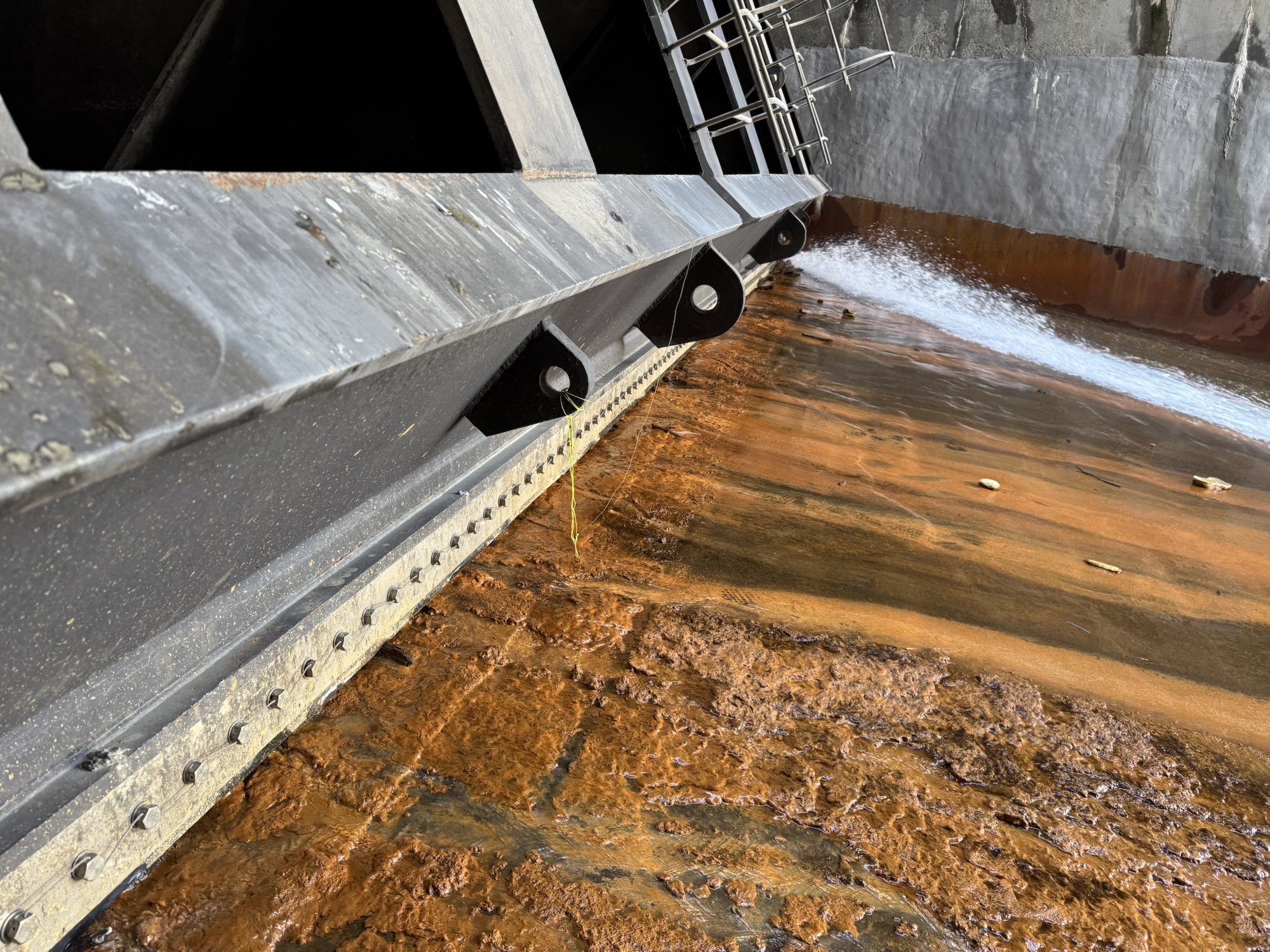
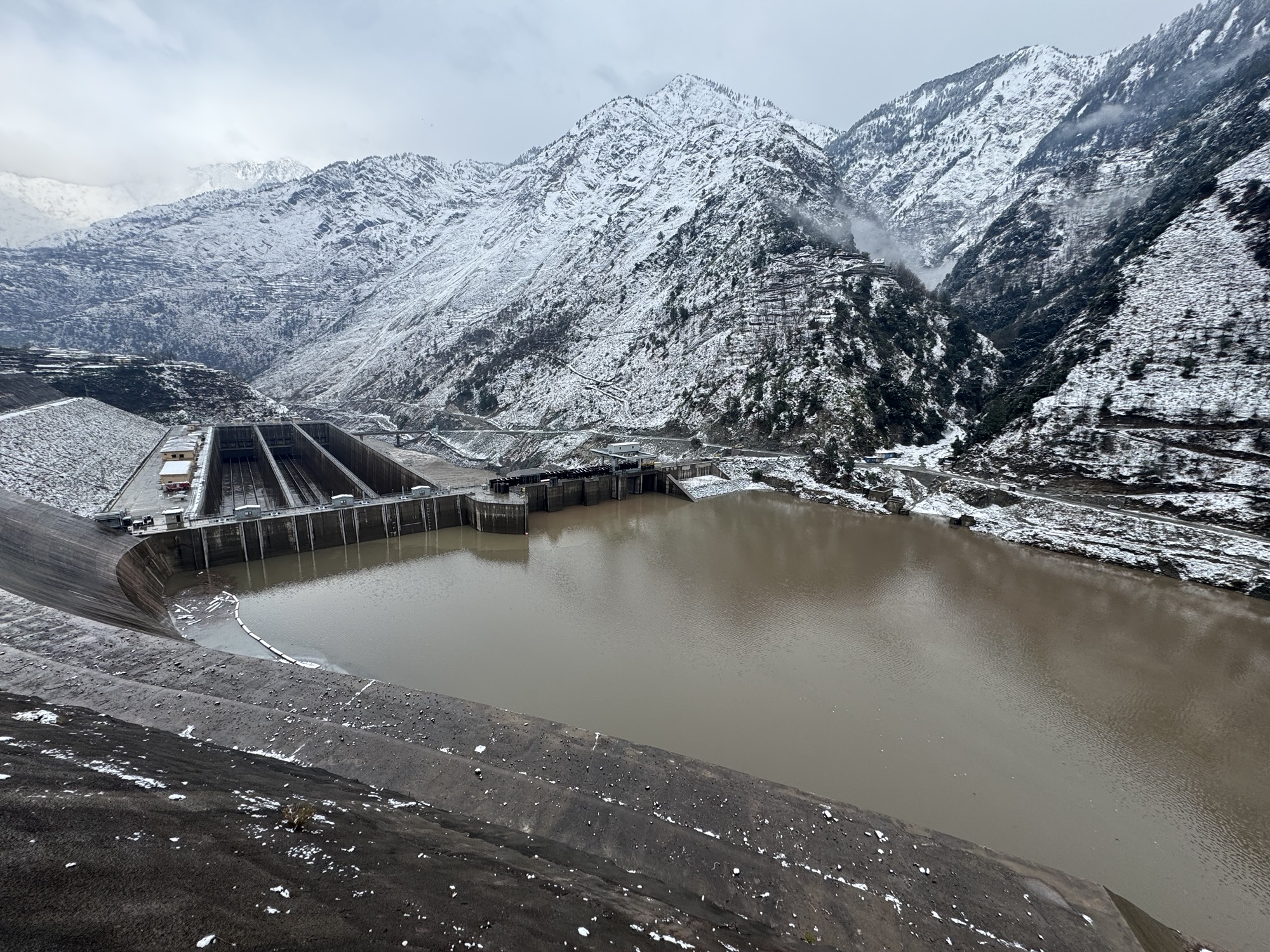
    Captured at the Neelum-Jhelum Hydropower Project, this image showcases the dam’s spillway gates and reservoir during sediment flushing operations. The brownish water indicates high sediment flow, a common challenge in hydropower projects, especially in mountainous regions like Kashmir.

    Key Features:

    • Radial Spillway Gates: Controlling the water flow with precision.

    • Sediment Flushing System: Vital for maintaining reservoir capacity and efficiency.

    • Reservoir Water Level Monitoring: Ensuring safe storage and operational performance.

    💪 This project is a testament to how advanced hydraulic engineering meets nature’s challenges to generate sustainable energy.

    #HydropowerEngineering #SpillwayOperations #WaterManagement #DamSafety #KashmirExplorer #CivilEngineeringInAction #ReservoirControl #SustainableEnergy