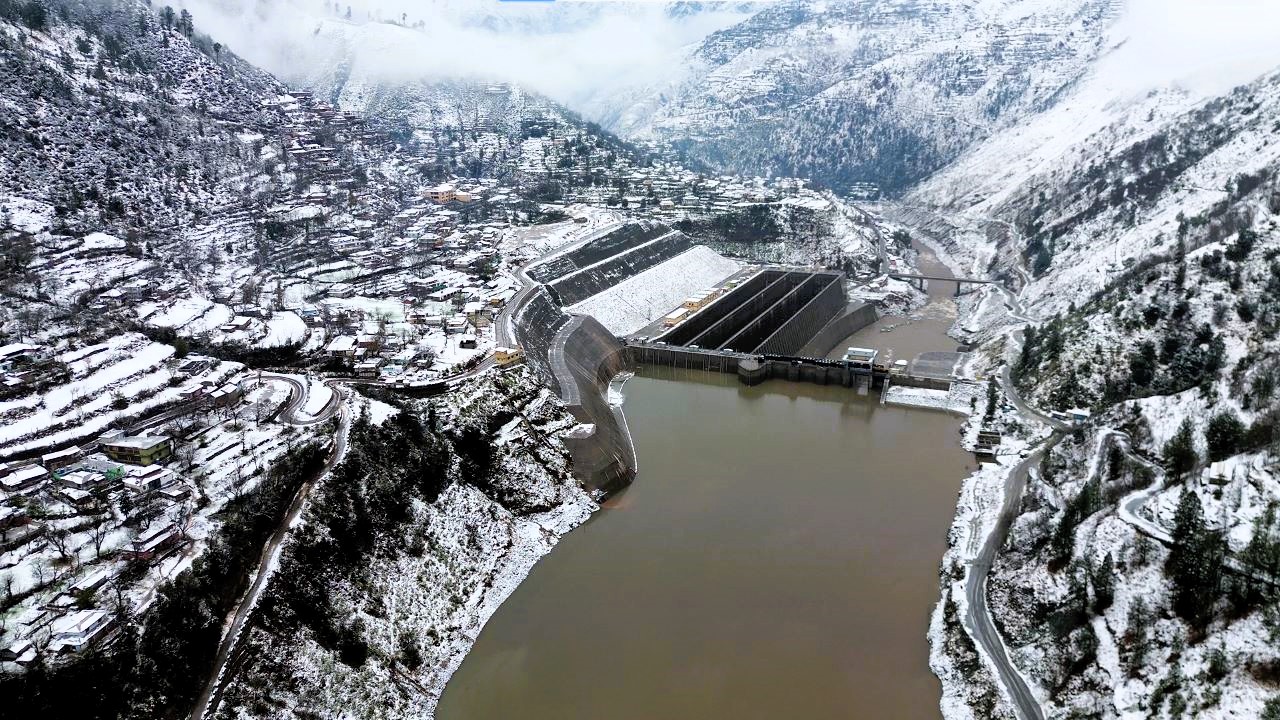


Hydropower dams are not only built to generate electricity — they also require continuous reservoir management to maintain efficiency, safety, and long-term sustainability. One of the most critical operations performed at large hydropower projects is silt flushing, a process that removes accumulated sediments from the reservoir.
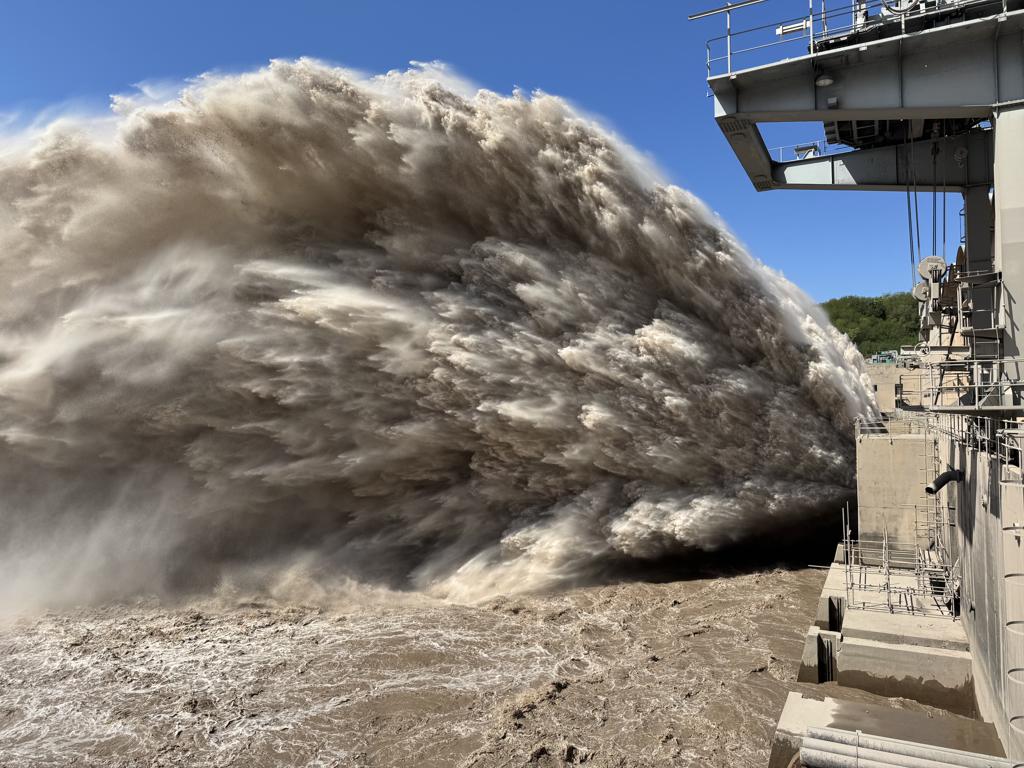
Recently, a powerful silt flushing operation was carried out at a mega dam, where massive volumes of sediment-laden water were released through the turbine irrigation relief valve, creating an extraordinary engineering spectacle.
Why Silt Flushing is Necessary
Rivers flowing through mountainous regions carry heavy loads of sand, clay, and fine sediments. Over time, these materials settle inside the reservoir and can cause:
- Reduction in reservoir storage capacity
- Decreased turbine efficiency
- Increased wear on mechanical components
- Risk to long-term dam performance
Regular flushing operations help restore reservoir capacity and ensure uninterrupted hydropower generation.
How the Irrigation Relief Valve Works
During this operation, engineers opened the turbine irrigation relief valve to release high-velocity water mixed with accumulated silt.
The process works by:
- Creating strong hydraulic flow from the reservoir bottom.
- Mobilizing deposited sediments.
- Transporting silt downstream safely.
- Preventing excessive sediment buildup near intake structures.
The immense pressure and velocity of water produce a dramatic plume of muddy discharge, demonstrating the raw power controlled within modern dam infrastructure.
Engineering Challenges During Flushing
Silt flushing requires precise coordination and monitoring. Engineers must carefully manage:
- Reservoir water levels
- Downstream flow conditions
- Turbine safety limits
- Structural vibration monitoring
- Environmental considerations
Proper timing ensures maximum sediment removal while maintaining operational safety.
Watch the Full Operation (Video)
Experience the real-time flushing operation captured on-site, showing the massive sediment release and hydraulic force in action.
https://youtu.be/DQvj2piFddM?si=ejB3P0oBRL9AbzdS
(Video by Kashmir Explorer — documenting real hydropower engineering operations.)
Importance for Sustainable Hydropower
Sediment management is essential for extending the lifespan of mega dams. Without flushing operations, reservoirs gradually lose capacity, affecting both power production and water regulation.
Through controlled releases like this, dam operators ensure:
- Sustainable electricity generation
- Improved reservoir performance
- Reduced maintenance costs
- Long-term infrastructure reliability
Hydropower Engineering in Action
Operations like silt flushing highlight the complexity behind hydropower projects. What appears as a powerful water release is actually the result of detailed engineering calculations, monitoring systems, and coordinated field operations.
Such events provide a rare look into the unseen work that keeps large dams functioning efficiently year after year.
Follow More Engineering Content
For real dam operations, spillway releases, reservoir management, and hydropower engineering videos, follow the Kashmir Explorer channel and stay connected with AdventureNat for on-site engineering stories.