Hydropower dams are complex engineering systems where water management, gate operations, and sediment control play a vital role in safety and power generation. On this page, you’ll find a complete video playlist showcasing real-world dam operations, recorded directly from active hydropower projects.
This playlist covers:
Spillway gate opening and closing operations
Emergency sediment and debris flushing
Radial gate testing and maintenance
Reservoir level control during floods
Intake gate sediment release
Real dam engineering in action
These videos are ideal for civil engineers, hydropower professionals, engineering students, and anyone curious about how large dams actually work in real conditions.
Watch the Full Playlist Below
Embedded YouTube Playlist
👉 Subscribe on YouTube for regular updates on dam safety, hydraulic structures, and hydropower engineering
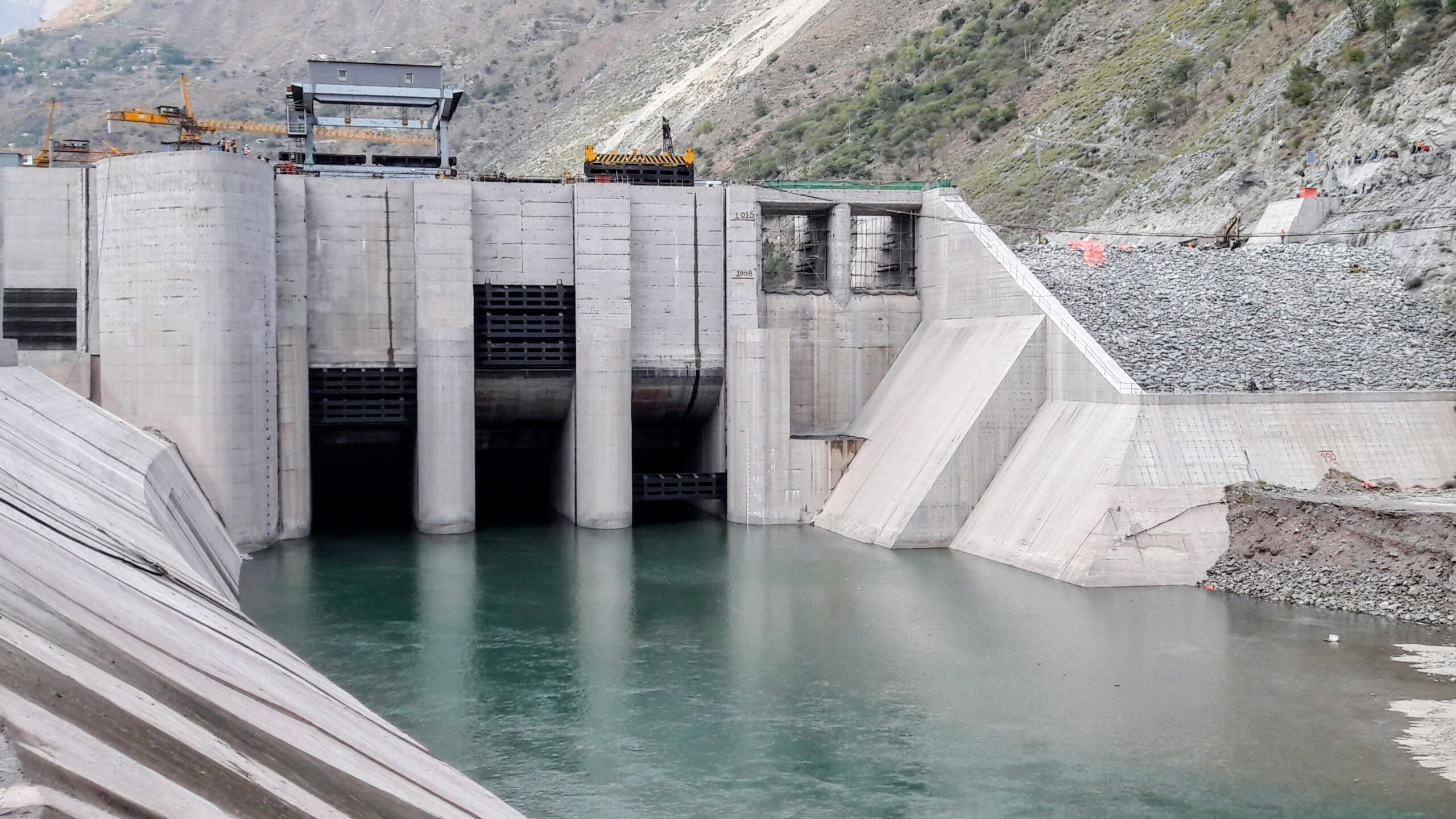
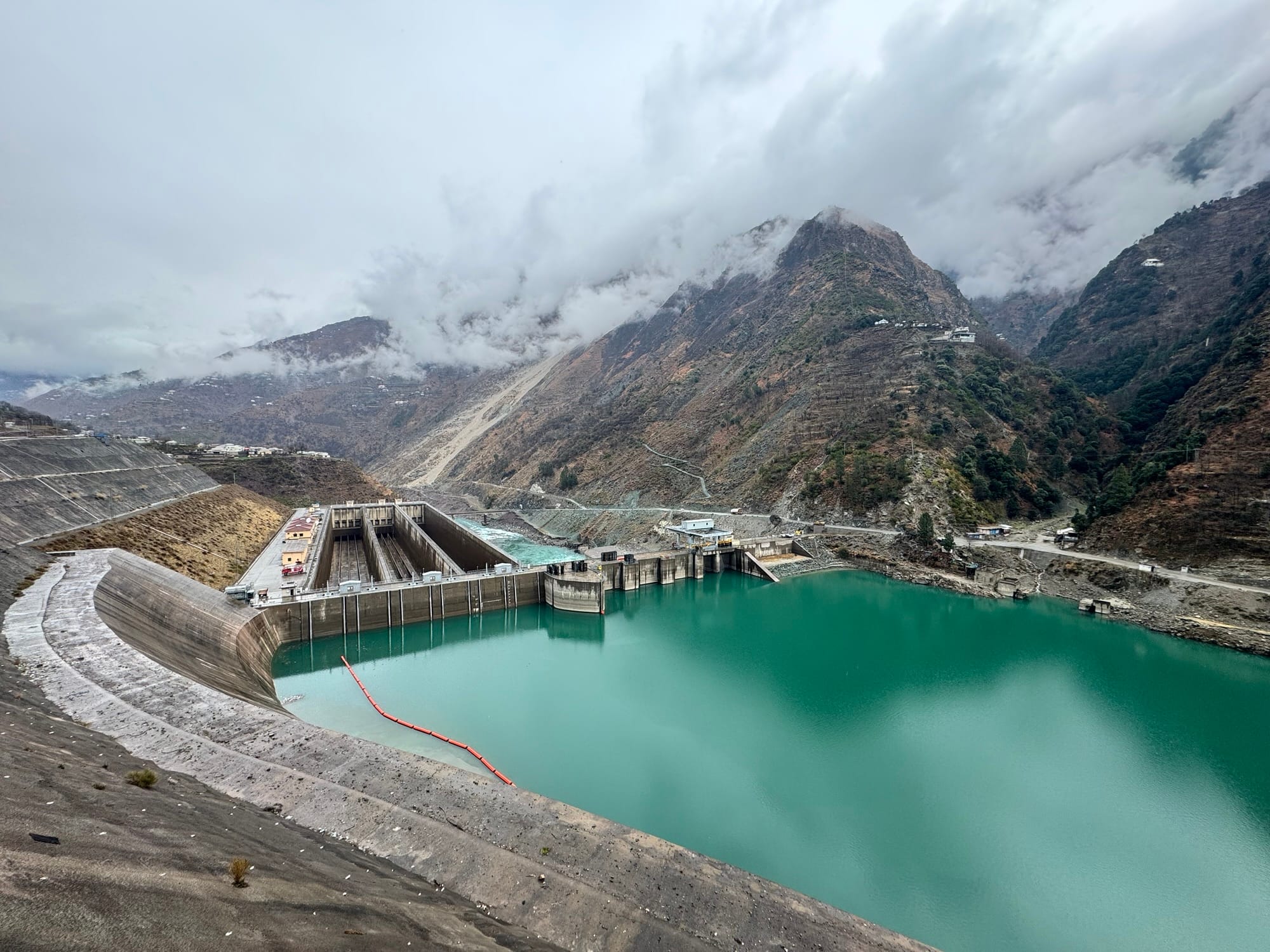
The image above showcases a remarkable hydropower dam, standing as a testament to advanced engineering and sustainable energy production. Nestled between rugged mountains, this structure not only generates renewable electricity but also plays a critical role in water management and flood control.
The Role of Dams in Hydroelectric Power
Dams are the backbone of hydroelectric power generation, utilizing the natural force of water to drive turbines and produce electricity. This clean energy source provides a sustainable alternative to fossil fuels, reducing carbon emissions while meeting the growing demand for electricity.
Key Features of the Dam:
✅ Reservoir Storage – The dam holds back a significant volume of water, ensuring a steady supply for power generation.
✅ Spillway Gates – These gates regulate water flow, preventing overflow and ensuring dam safety during heavy rainfall or floods.
✅ Powerhouse & Penstocks – Water is channeled through these systems to drive turbines, converting kinetic energy into electrical power.
Environmental and Engineering Challenges
While hydropower is a renewable energy source, dam construction and operation present unique challenges. Engineers must manage sediment accumulation, minimize environmental disruptions, and ensure structural integrity to prevent failures. Sustainable sediment management and regular monitoring are crucial for long-term efficiency.
Conclusion
Hydropower dams are more than just infrastructure—they are lifelines for energy production, water conservation, and disaster mitigation. As technology advances, innovations in dam design and operations will continue to make hydropower more efficient and environmentally friendly.
What do you think about the impact of hydropower on the environment? Share your thoughts in the comments!