• Radial Gate Open for Maintenance: A Crucial Inspection Process

    Radial Gate Open for Maintenance: A Crucial Inspection Process

    Radial gates play a critical role in the efficient operation of hydropower projects, spillways, and flood control systems. Proper maintenance is essential to ensure their reliability, structural integrity, and smooth operation. In this post, we take a close look at the ongoing maintenance work on a radial gate at a major dam site.

    Why Radial Gate Maintenance is Important?

    Radial gates regulate water flow from reservoirs, preventing excessive water buildup and ensuring safe discharge during high inflows. Over time, these gates are subjected to enormous hydraulic pressure, wear and tear, sediment accumulation, and potential mechanical failures. Regular inspections and repairs help:

    ✔️ Ensure smooth gate operation under all conditions

    ✔️ Prevent corrosion and structural weakening

    ✔️ Maintain hydraulic efficiency

    ✔️ Reduce the risk of unexpected failures

    ✔️ Extend the lifespan of the gate

    Key Maintenance Activities

    1. Gate Inspection & Cleaning

    • Engineers assess the structural integrity of the gate, including weld joints, bolts, and steel framework.

    • Any sediment deposits or debris obstructing gate movement are cleared.

    • Rust and corrosion-prone areas are treated with protective coatings.

    2. Mechanical & Hydraulic System Check

    • The lifting mechanism, including hydraulic cylinders and hoist systems, is tested for efficiency.

    • Lubrication of moving parts ensures friction-free operation.

    • Electrical and control systems are checked to confirm proper response.

    3. Concrete & Sealing Surface Inspection

    • The surrounding concrete structure is examined for cracks, leaks, or erosion damage.

    • Seals and rubber linings are inspected and replaced if necessary to prevent water leakage.

    4. Welding & Structural Reinforcement

    • Any damaged or weakened metal sections are reinforced through welding or part replacement.

    • Load-bearing components are strengthened to handle extreme water pressure conditions.

    On-Site Maintenance in Action

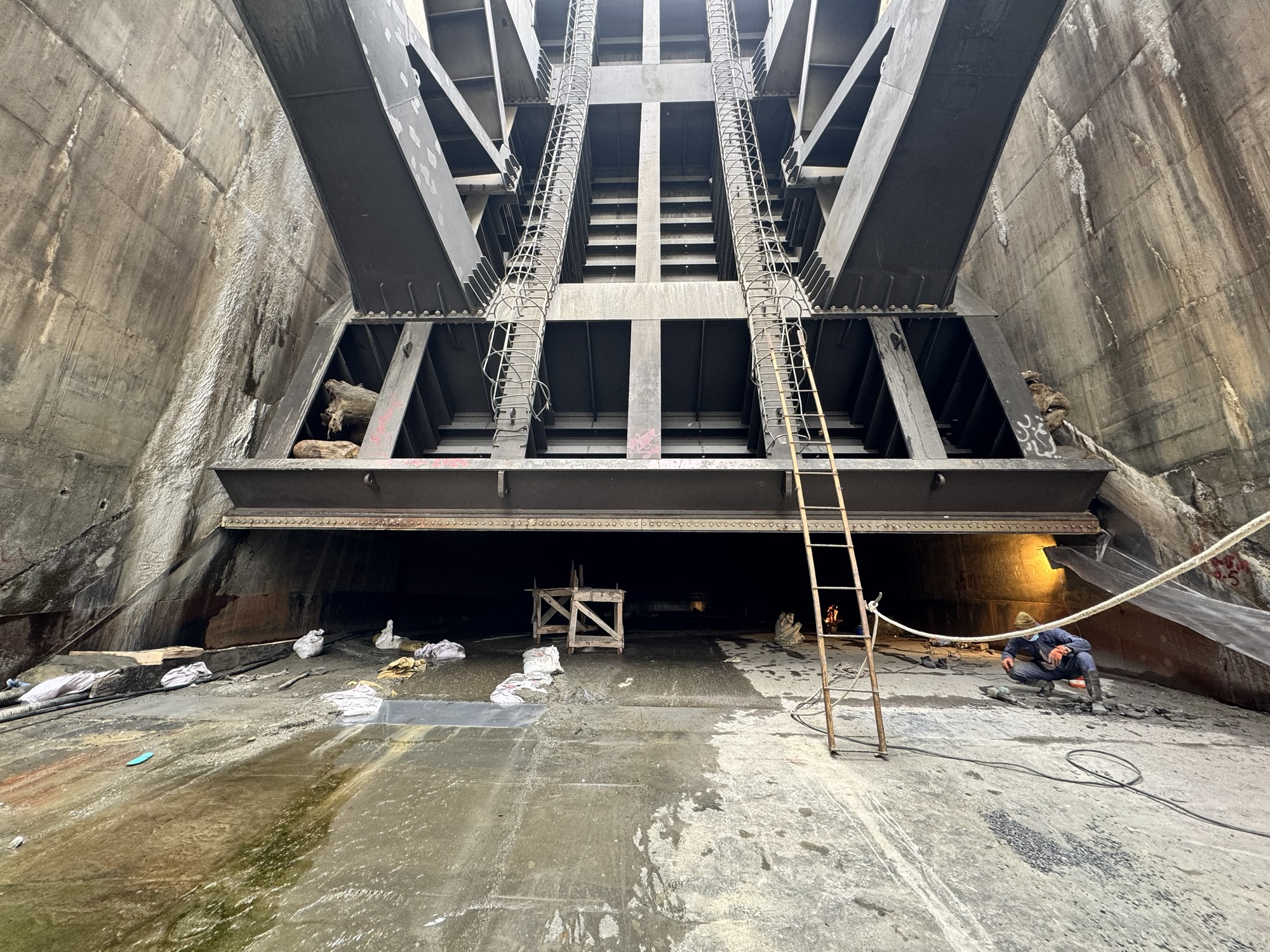
    The image above showcases the radial gate in an open position for maintenance. Engineers are seen performing crucial repair work, ensuring that the gate remains fully operational for future spillway releases. The ladder setup and support structures indicate careful execution of inspection procedures.

    Conclusion

    Routine radial gate maintenance is a vital aspect of dam safety and water management. It ensures that hydropower facilities and flood control structures operate smoothly, minimizing risks and maximizing efficiency. By conducting thorough inspections, structural reinforcements, and hydraulic system checks, engineers guarantee the long-term functionality of these massive water control systems.

    For more insights into dam operations, spillway management, and hydropower projects, stay tuned to our updates!
  • The Problem of Massive Floating Debris in Dam Reservoirs

    The Problem of Massive Floating Debris in Dam Reservoirs

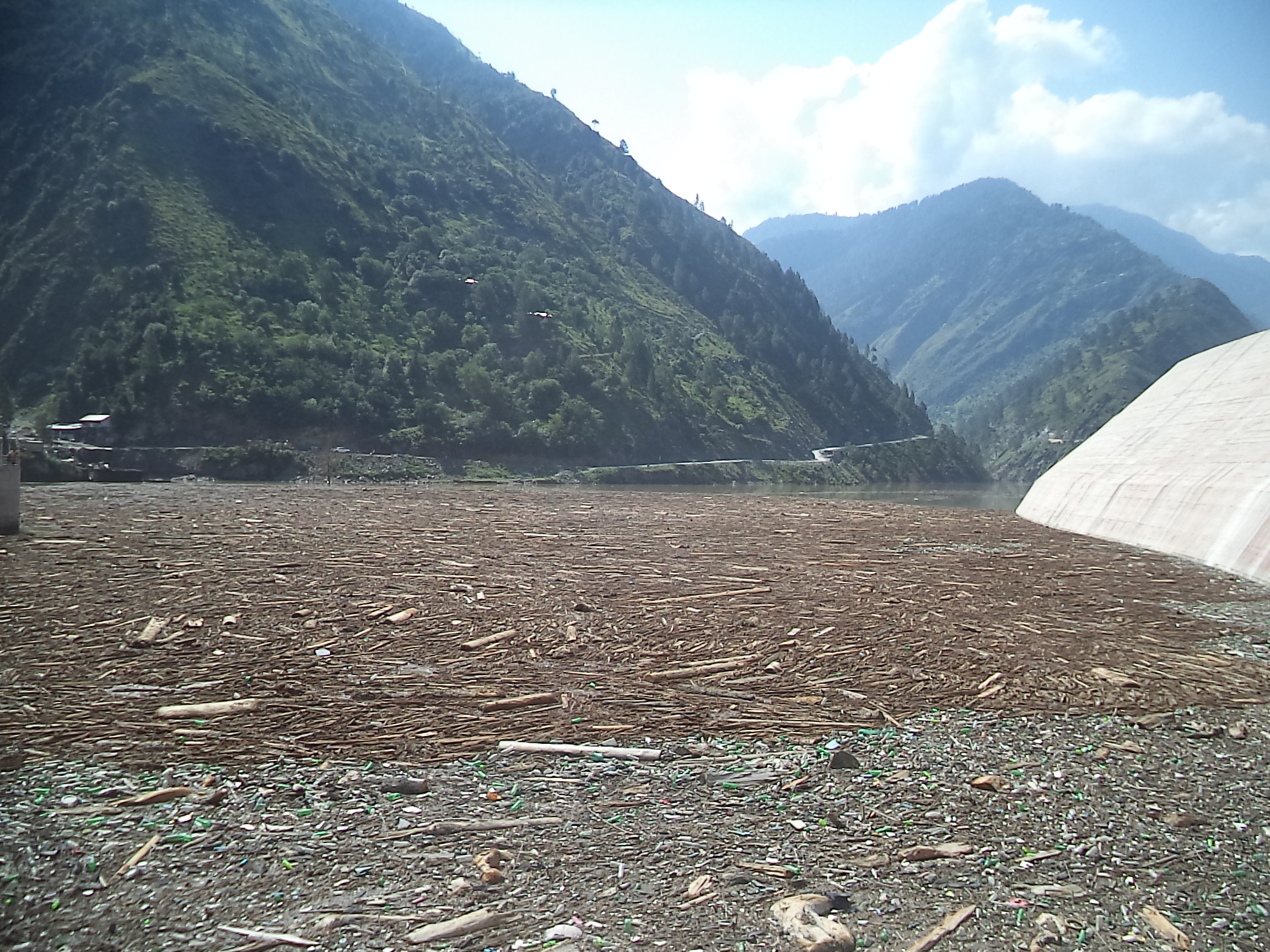
    Dams play a crucial role in managing water resources, generating hydroelectric power, and supporting agricultural irrigation. However, one persistent challenge faced by dam operators is the accumulation of massive floating debris in the reservoirs. This debris often consists of wooden logs, branches, and other natural or man-made materials carried downstream by rivers.

    Causes of Floating Debris in Reservoirs

    1. Deforestation and Logging: Areas upstream of dams are often subject to deforestation or logging activities. Heavy rains or floods can wash down tree trunks, branches, and wood scraps into rivers, eventually leading to reservoirs.
    2. Natural Events: Landslides, floods, and seasonal changes can contribute to large amounts of vegetation and debris entering river systems.
    3. Human Activities: Improper waste disposal and human negligence also add to the debris problem. Plastic waste and other pollutants often accompany the wooden logs, exacerbating environmental concerns.

    Impacts of Floating Debris

    1. Operational Challenges: The accumulation of debris can obstruct dam intakes, spillways, and turbines, reducing efficiency and increasing maintenance costs.
    2. Environmental Concerns: Floating debris, especially if mixed with plastics or other non-biodegradable materials, can harm aquatic ecosystems, disrupt fish habitats, and reduce water quality.
    3. Recreational Issues: Reservoirs often serve as popular destinations for boating, fishing, and tourism. Debris-filled waters deter visitors and pose safety hazards.
    4. Flood Risk: Debris can block water flow and create bottlenecks, increasing the risk of flooding during heavy rainfall.

    Solutions to Manage Floating Debris

    1. Debris Booms: Installing floating barriers or booms can help contain debris before it reaches critical areas of the dam.
    2. Regular Monitoring and Cleanup: Scheduled inspections and cleanup operations can prevent the accumulation of large debris piles.
    3. Community Awareness: Educating upstream communities about responsible waste management and the importance of forest conservation can significantly reduce the debris load.
    4. Innovative Technologies: Using automated debris collection systems or incorporating sensors to monitor debris levels can streamline the management process.
    5. Recycling and Reuse: Harvested wooden debris can be repurposed for construction, energy production, or other practical uses, turning a challenge into an opportunity.