• Winter Wonders: The Impact of a Full Dam in Cold Months

    Winter Wonders: The Impact of a Full Dam in Cold Months

    As winter takes hold, many reservoirs reach their maximum storage capacity, creating a stunning yet crucial moment in dam operations. A full dam in winter is not just a scenic marvel but a critical phase in hydropower generation, flood control, and water resource management.

    Why Do Dams Fill Up in Winter?

    Several natural and operational factors contribute to high water levels during winter:

    ✔️ Seasonal Rainfall – Many regions experience heavy winter precipitation, which replenishes reservoirs.

    ✔️ Snowmelt Contribution – In areas with high-altitude snow accumulation, early melting adds to water inflows.

    ✔️ Lower Water Demand – Agricultural irrigation reduces in winter, leading to less reservoir depletion.

    ✔️ Strategic Water Retention – Dams store water for controlled release in summer and spring when demand surges.

    Engineering and Safety Challenges of a Full Reservoir in Winter

    1. Spillway Operations & Flood Management

    • With limited space for additional inflows, spillway gates are adjusted to prevent overtopping.

    • Extreme rainfall events can increase flood risk, requiring close monitoring of inflows and outflows.

    • Ice buildup on gates and mechanical systems can reduce operational efficiency.

    2. Structural Integrity & Hydrostatic Pressure

    • A dam at full capacity faces maximum water pressure, requiring real-time monitoring of concrete structures.

    • Cold temperatures can cause thermal stress on the dam’s surface, potentially leading to cracks.

    • Engineers utilize instrumentation sensors to detect any abnormalities in dam movement or seepage.

    3. Hydropower Optimization

    • High reservoir levels allow for maximum energy generation with efficient turbine operation.

    • Freezing conditions can impact penstocks and intake gates, requiring maintenance to avoid blockages.

    • Operators balance power production with seasonal water storage strategies for long-term efficiency.

    The Scenic Beauty of a Full Winter Reservoir

    Beyond its engineering significance, a full dam in winter is a sight to behold! Snow-covered landscapes, mist over the reservoir, and reflections of mountains create breathtaking views. Many reservoirs become seasonal tourist attractions, drawing photographers and nature enthusiasts.

    Conclusion

    A full dam in winter is both a visual spectacle and a crucial moment in water resource management. Engineers work tirelessly to maintain safety, optimize hydropower production, and manage spillway releases, ensuring that the reservoir remains an asset rather than a risk. As winter progresses, careful monitoring and maintenance allow the dam to prepare for spring thaw and increased water flow.

    For more updates on hydropower, dam operations, and spillway management, stay tuned to our latest insights!

    Would you like thumbnail ideas or hashtags to make this post more engaging? Let me know!
  • Radial Gate Open for Maintenance: A Crucial Inspection Process

    Radial Gate Open for Maintenance: A Crucial Inspection Process

    Radial gates play a critical role in the efficient operation of hydropower projects, spillways, and flood control systems. Proper maintenance is essential to ensure their reliability, structural integrity, and smooth operation. In this post, we take a close look at the ongoing maintenance work on a radial gate at a major dam site.

    Why Radial Gate Maintenance is Important?

    Radial gates regulate water flow from reservoirs, preventing excessive water buildup and ensuring safe discharge during high inflows. Over time, these gates are subjected to enormous hydraulic pressure, wear and tear, sediment accumulation, and potential mechanical failures. Regular inspections and repairs help:

    ✔️ Ensure smooth gate operation under all conditions

    ✔️ Prevent corrosion and structural weakening

    ✔️ Maintain hydraulic efficiency

    ✔️ Reduce the risk of unexpected failures

    ✔️ Extend the lifespan of the gate

    Key Maintenance Activities

    1. Gate Inspection & Cleaning

    • Engineers assess the structural integrity of the gate, including weld joints, bolts, and steel framework.

    • Any sediment deposits or debris obstructing gate movement are cleared.

    • Rust and corrosion-prone areas are treated with protective coatings.

    2. Mechanical & Hydraulic System Check

    • The lifting mechanism, including hydraulic cylinders and hoist systems, is tested for efficiency.

    • Lubrication of moving parts ensures friction-free operation.

    • Electrical and control systems are checked to confirm proper response.

    3. Concrete & Sealing Surface Inspection

    • The surrounding concrete structure is examined for cracks, leaks, or erosion damage.

    • Seals and rubber linings are inspected and replaced if necessary to prevent water leakage.

    4. Welding & Structural Reinforcement

    • Any damaged or weakened metal sections are reinforced through welding or part replacement.

    • Load-bearing components are strengthened to handle extreme water pressure conditions.

    On-Site Maintenance in Action

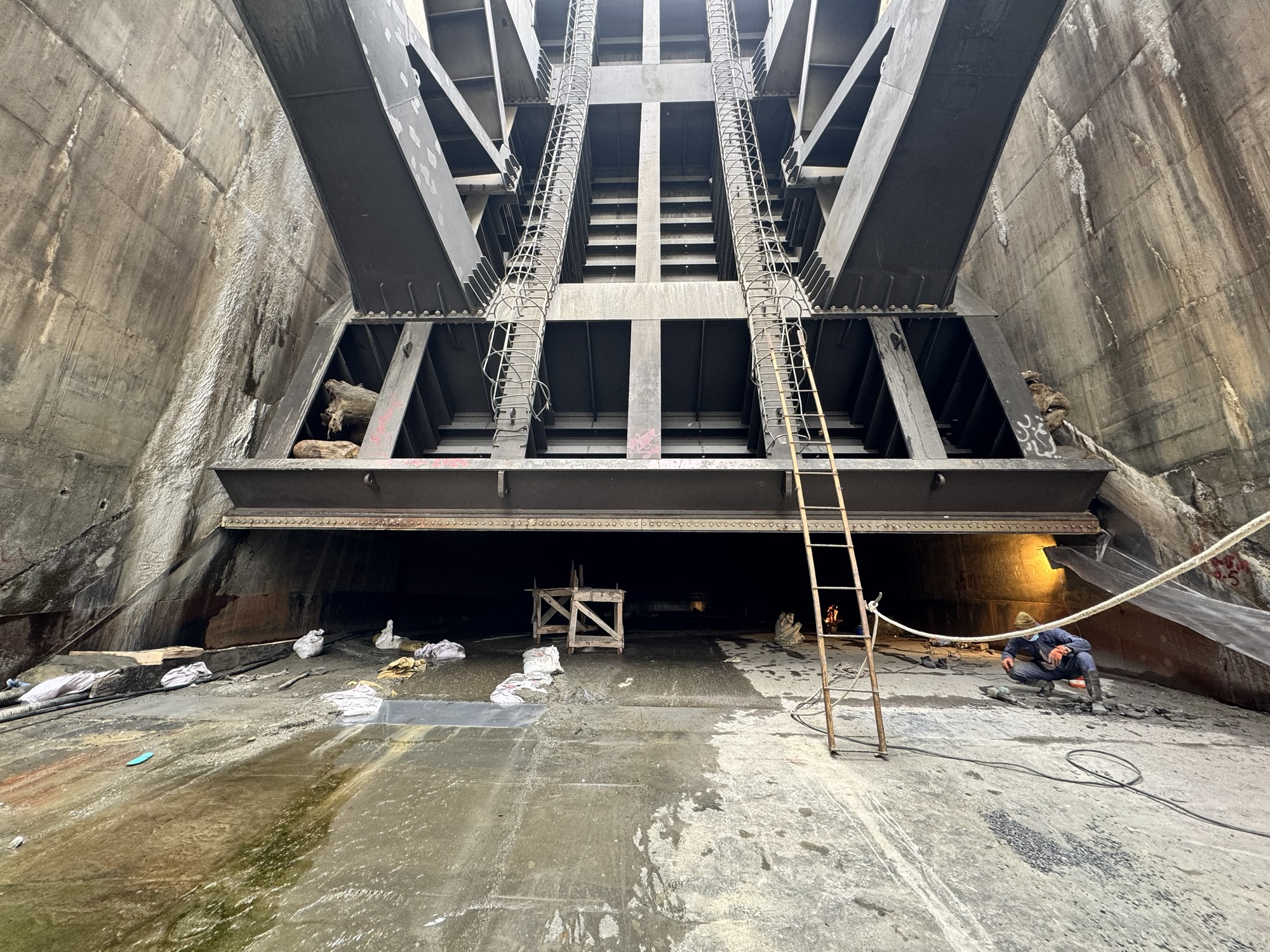
    The image above showcases the radial gate in an open position for maintenance. Engineers are seen performing crucial repair work, ensuring that the gate remains fully operational for future spillway releases. The ladder setup and support structures indicate careful execution of inspection procedures.

    Conclusion

    Routine radial gate maintenance is a vital aspect of dam safety and water management. It ensures that hydropower facilities and flood control structures operate smoothly, minimizing risks and maximizing efficiency. By conducting thorough inspections, structural reinforcements, and hydraulic system checks, engineers guarantee the long-term functionality of these massive water control systems.

    For more insights into dam operations, spillway management, and hydropower projects, stay tuned to our updates!

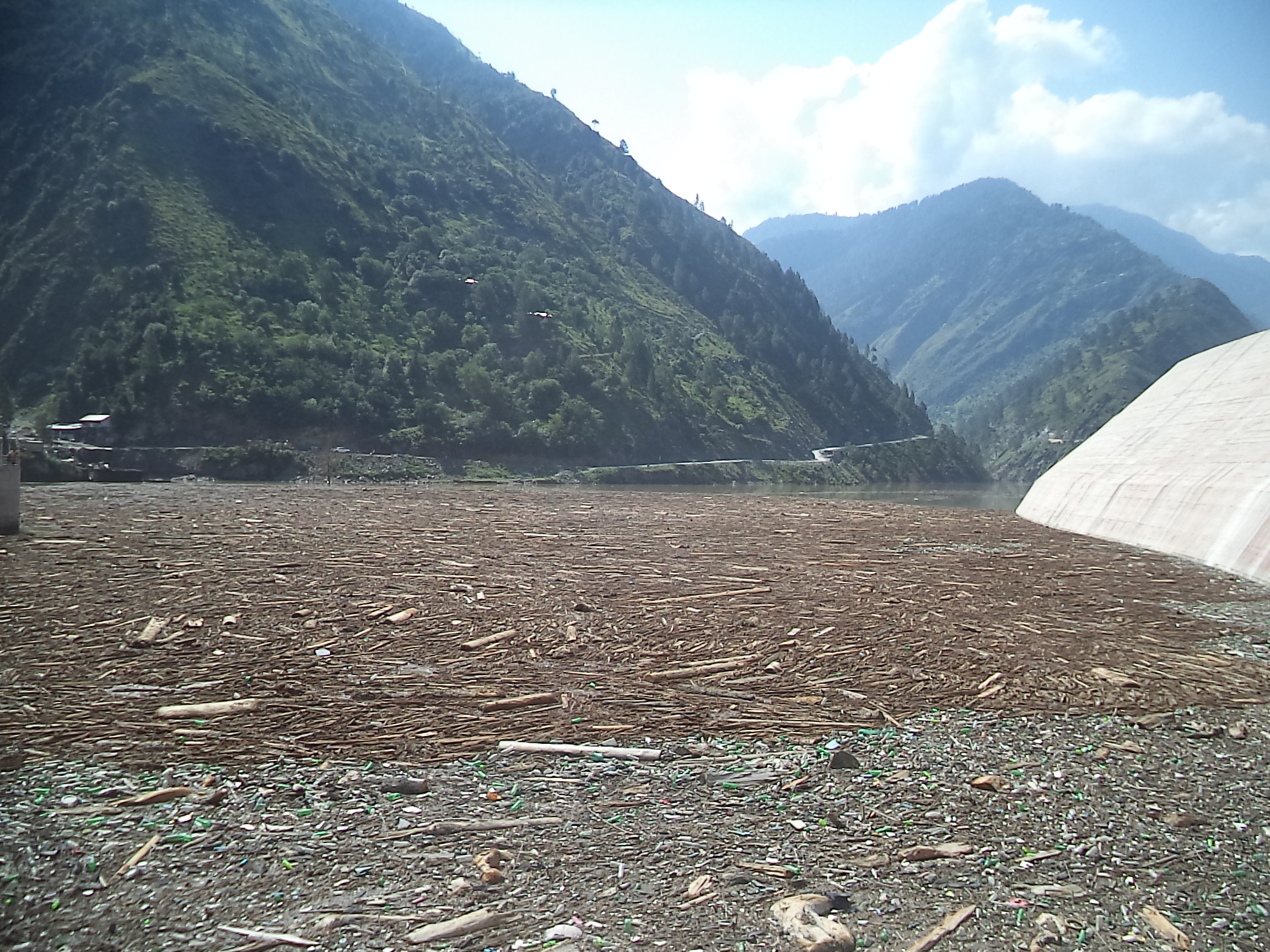
  • The Problem of Massive Floating Debris in Dam Reservoirs

    The Problem of Massive Floating Debris in Dam Reservoirs

    Dams play a crucial role in managing water resources, generating hydroelectric power, and supporting agricultural irrigation. However, one persistent challenge faced by dam operators is the accumulation of massive floating debris in the reservoirs. This debris often consists of wooden logs, branches, and other natural or man-made materials carried downstream by rivers.

    Causes of Floating Debris in Reservoirs

    1. Deforestation and Logging: Areas upstream of dams are often subject to deforestation or logging activities. Heavy rains or floods can wash down tree trunks, branches, and wood scraps into rivers, eventually leading to reservoirs.
    2. Natural Events: Landslides, floods, and seasonal changes can contribute to large amounts of vegetation and debris entering river systems.
    3. Human Activities: Improper waste disposal and human negligence also add to the debris problem. Plastic waste and other pollutants often accompany the wooden logs, exacerbating environmental concerns.

    Impacts of Floating Debris

    1. Operational Challenges: The accumulation of debris can obstruct dam intakes, spillways, and turbines, reducing efficiency and increasing maintenance costs.
    2. Environmental Concerns: Floating debris, especially if mixed with plastics or other non-biodegradable materials, can harm aquatic ecosystems, disrupt fish habitats, and reduce water quality.
    3. Recreational Issues: Reservoirs often serve as popular destinations for boating, fishing, and tourism. Debris-filled waters deter visitors and pose safety hazards.
    4. Flood Risk: Debris can block water flow and create bottlenecks, increasing the risk of flooding during heavy rainfall.

    Solutions to Manage Floating Debris

    1. Debris Booms: Installing floating barriers or booms can help contain debris before it reaches critical areas of the dam.
    2. Regular Monitoring and Cleanup: Scheduled inspections and cleanup operations can prevent the accumulation of large debris piles.
    3. Community Awareness: Educating upstream communities about responsible waste management and the importance of forest conservation can significantly reduce the debris load.
    4. Innovative Technologies: Using automated debris collection systems or incorporating sensors to monitor debris levels can streamline the management process.
    5. Recycling and Reuse: Harvested wooden debris can be repurposed for construction, energy production, or other practical uses, turning a challenge into an opportunity.
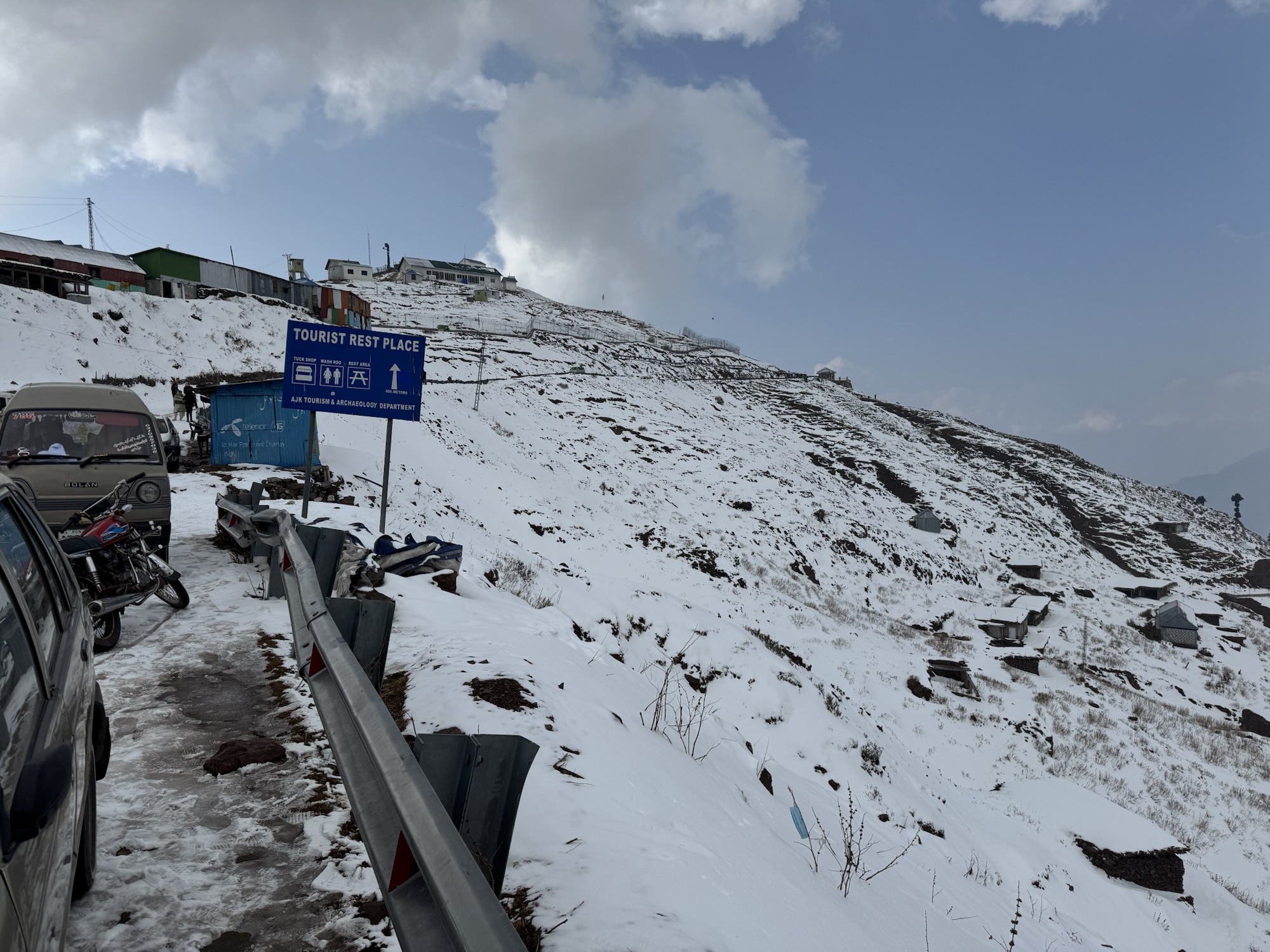
  • Snow-Covered Mountains: A Winter Wonderland Awaits

    Snow-Covered Mountains: A Winter Wonderland Awaits

    As winter sets in, the mountains transform into a breathtaking spectacle of snow-covered peaks, inviting adventurers and nature lovers to experience their serene beauty. Whether you’re a thrill-seeker looking for high-altitude escapades or someone who simply enjoys the peaceful charm of winter landscapes, snow-covered mountains offer something magical for everyone.

    The Beauty of Snow-Capped Peaks

    The sight of mountains blanketed in pristine white snow is mesmerizing. The crisp mountain air, the soft crunch of snow underfoot, and the way the sunlight glistens on the icy slopes create a surreal experience. Photographers and nature enthusiasts find endless inspiration in these landscapes, capturing stunning panoramas of untouched wilderness.

    Adventure in the Snow

    For adrenaline junkies, snow-covered mountains provide the perfect playground. Popular winter activities include:

    • Skiing & Snowboarding – Glide down the slopes and experience the thrill of winter sports in world-renowned ski resorts.

    • Snowshoeing & Winter Hiking – Explore scenic trails while enjoying the quiet beauty of a snow-laden forest.

    • Ice Climbing – Test your skills on frozen waterfalls and icy rock faces for a unique climbing challenge.

    • Snow Camping – Experience the tranquility of winter nights under a star-lit sky, surrounded by majestic peaks.

    Best Destinations for Snow-Covered Adventures

    Some of the world’s most breathtaking snow-covered mountains include:

    • The Himalayas, Nepal & India – Home to the world’s highest peaks, offering trekking and mountaineering experiences like no other.

    • The Alps, Europe – A paradise for skiers and snowboarders, with charming alpine villages and spectacular views.

    • The Rockies, USA & Canada – Known for their dramatic winter scenery and excellent snow sports opportunities.

    • The Karakoram, Pakistan – Featuring some of the most rugged and awe-inspiring peaks, ideal for extreme adventurers.

    Tips for Safe Winter Exploration

    Before heading into the snow-covered wilderness, make sure to:

    • Dress in layers to stay warm and dry.

    • Carry essential gear like a map, compass, and emergency supplies.

    • Check weather conditions and avalanche warnings before setting out.

    • Travel with a guide or experienced adventurers if exploring remote areas.

    Conclusion

    Snow-covered mountains are a symbol of nature’s raw beauty and power, offering endless opportunities for adventure and relaxation. Whether you’re conquering the slopes or simply soaking in the stunning views, winter in the mountains is an experience like no other. So pack your gear, embrace the cold, and step into a world where nature’s winter wonderland awaits!

    For more adventure travel tips and guides, explore AdventureNat.online!