

Subscribe to Our YouTube Channel

Get the latest videos from Kashmir Explorer.

Subscribe
Outdoor Adventure Gear

Outdoor Adventure Gear

Durable gear perfect for hiking, camping, and outdoor adventures.

View on Amazon

Recommended Outdoor Product

Useful gear for travel, hiking, and outdoor adventures.

View on Amazon
Amazon Product

Featured Amazon Product

Useful product recommended for travel and outdoor adventures.

View on Amazon

Tag: dam spillways

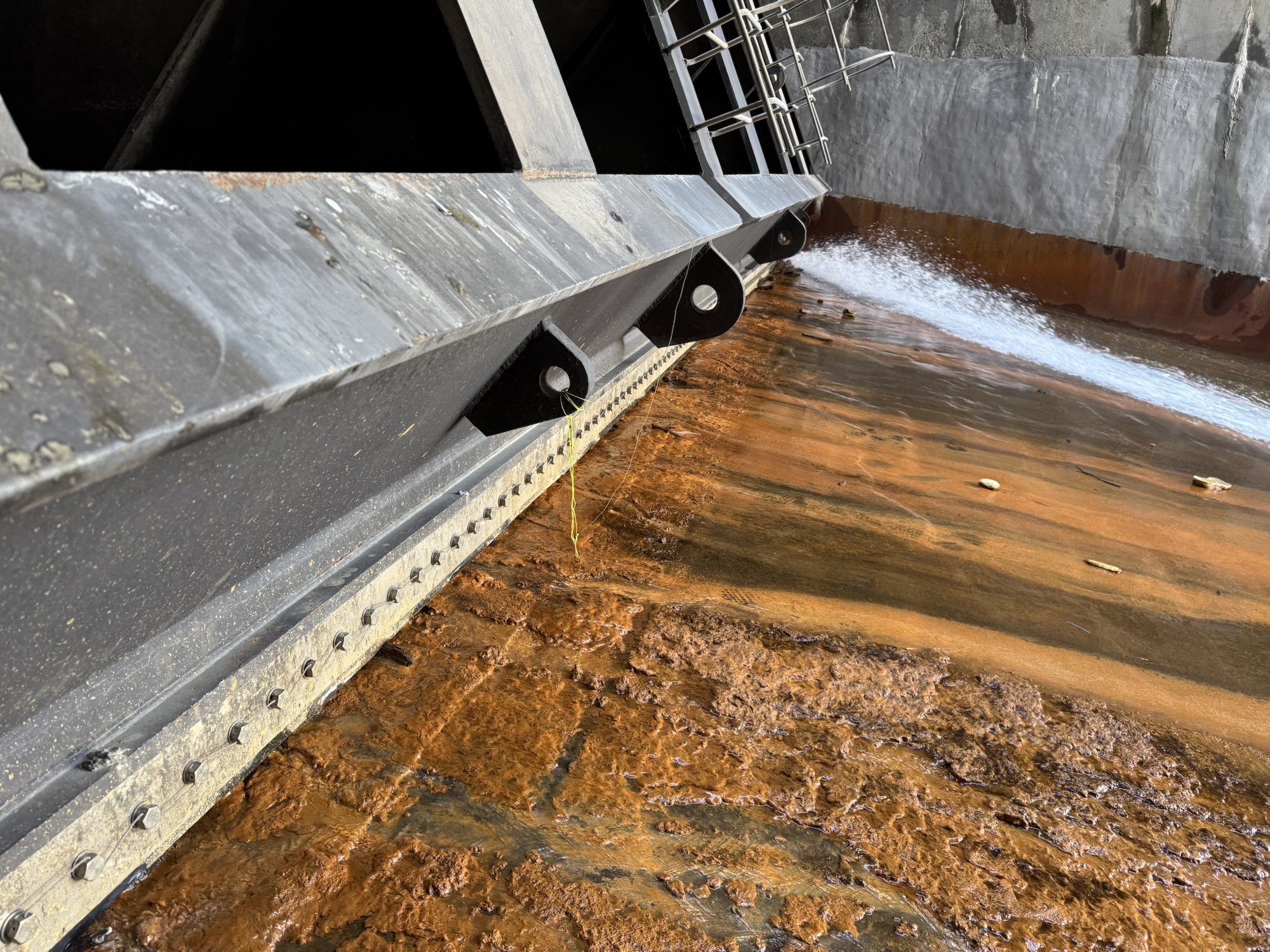
  • Tainter Gate Sill Corrosion and Active Leakage Observed

    Tainter Gate Sill Corrosion and Active Leakage Observed

    During a recent inspection, corrosion was observed emerging from beneath the Tainter gate sill, accompanied by active water leakage at the sill–gate interface. The leakage appears to be originating from the downstream side of the sill plate, where corrosion products are visibly present and being carried out by flowing water.

    The presence of rust staining and material loss indicates ongoing corrosion of embedded steel components, likely exacerbated by prolonged exposure to moisture and limited drainage beneath the sill. This condition suggests that water is infiltrating through the sill assembly, potentially bypassing seals or moving through deteriorated grout or bedding material.

    Key Observations

    Visible corrosion products discharging from beneath the sill Active leakage observed during normal operating conditions Rust staining and sediment accumulation downstream of the gate Indications of prolonged moisture exposure at the sill interface

    Potential Concerns

    If left unaddressed, continued corrosion and leakage may lead to:

    Progressive loss of steel section at the sill or anchor components Increased leakage rates over time Compromised gate seating and reduced operational efficiency Elevated maintenance and repair costs

    Recommended Actions

    Conduct a detailed condition assessment of the sill plate, embedded steel, and anchorage system Perform non-destructive testing (NDT) or selective demolition to evaluate hidden corrosion Investigate seepage pathways and seal integrity Develop a repair or rehabilitation plan, which may include sill sealing, corrosion mitigation, or component replacement

    Early identification and corrective action are critical to preserving the structural integrity and long-term performance of the Tainter gate system.
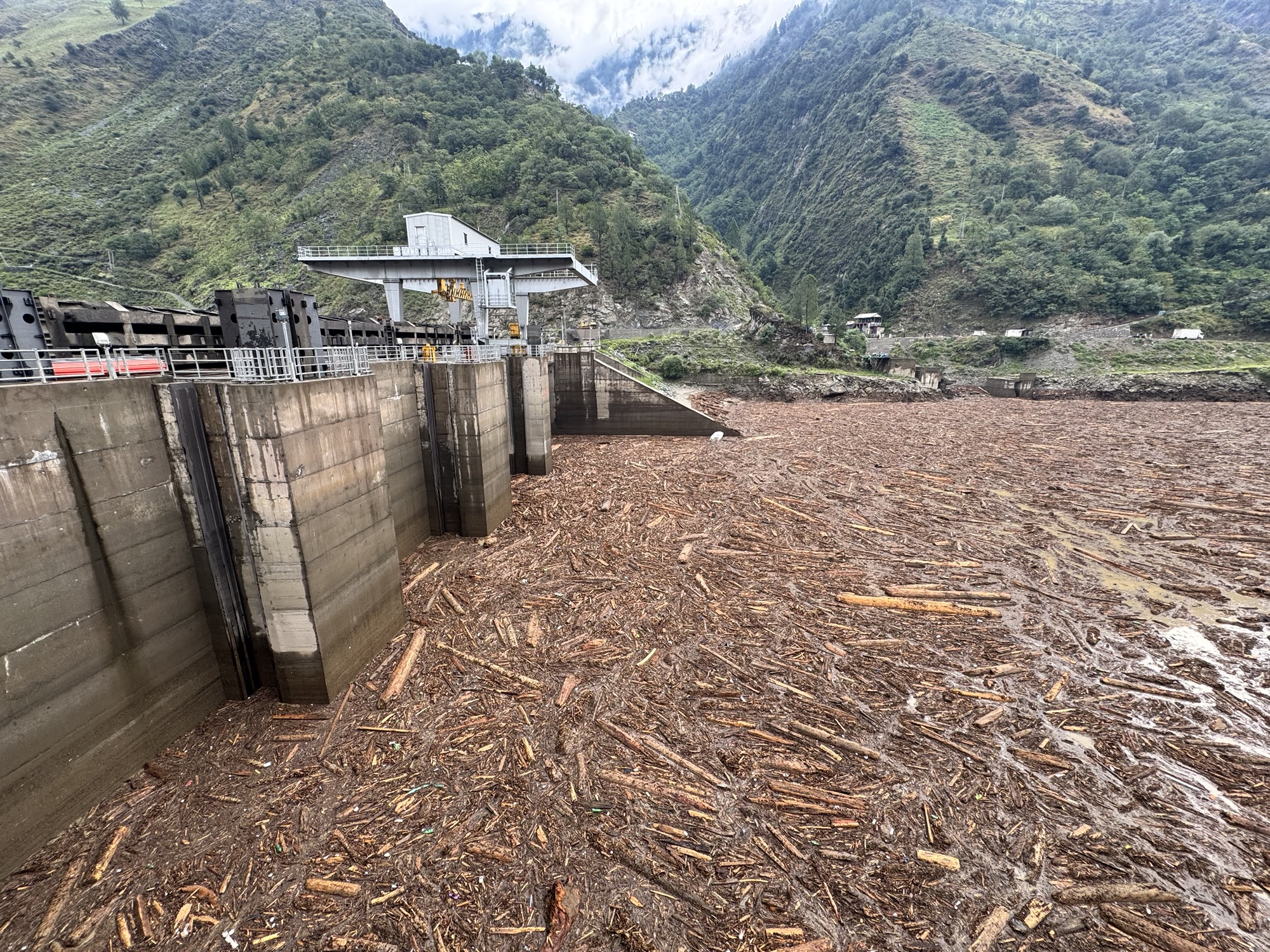
  • Flood Brings Woods Into Dam Reservoir – Floating Logs After Cloudburst

    Flood Brings Woods Into Dam Reservoir – Floating Logs After Cloudburst

    When a cloudburst flood hits mountainous regions, it doesn’t just bring water—it also carries huge amounts of soil, rocks, and uprooted trees. One of the most striking effects is seen in dam reservoirs, where floating logs and wooden debris pile up after heavy floods. This natural phenomenon creates serious operational challenges for dam authorities and highlights the raw power of nature.

    How Floods Carry Woods Into Reservoirs

    During intense rainfall and flash flooding:

    Uprooted trees and branches are swept away by fast-moving rivers. Landslides triggered by heavy rain push forest debris downstream. Strong water currents transport logs until they settle in the reservoir.

    As a result, the dam surface becomes a massive floating carpet of wood debris, blocking clear water flow.

    Impact of Floating Logs on Dams

    Flood-borne wood debris can cause multiple problems:

    Blockage of Spillways – Floating logs can obstruct radial and flap gates. Damage to Structures – Logs hitting spillways, intake gates, and tunnels may cause cracks or damage. Reduced Storage Efficiency – Thick wood layers reduce water flow and storage. Higher Maintenance Costs – Clearing thousands of logs requires heavy machinery and manpower.

    How Reservoirs Manage Flood Debris

    To ensure smooth dam operation, several measures are taken:

    Log Booms: Steel ropes across reservoirs to trap floating wood before reaching spillways. Mechanical Clearing: Cranes, barges, and excavators remove the accumulated debris. Flushing Operations: Controlled water releases help push logs downstream.

    A Repeated Challenge for Mountain Dams

    Every year, especially during the monsoon, mountain dams face the challenge of floating wood after floods. It is a reminder that while dams provide hydropower, irrigation, and flood control, they also need continuous maintenance to fight the impacts of nature.

    Conclusion

    The sight of flood-borne logs floating in a dam reservoir may look dramatic, but it highlights the constant struggle between natural disasters and man-made structures. Proper debris management ensures that dams continue to operate safely while preserving water quality and storage capacity.

    For more insights into mountain adventures, floods, and reservoir management, visit AdventureNat Online – your guide to nature and engineering.

    SEO Meta Data

    Meta Title: Flood Brings Woods Into Dam Reservoir | Floating Logs After Cloudburst

    Meta Description: Discover how cloudburst floods bring floating logs and debris into dam reservoirs. Learn about the impact on dams, maintenance challenges, and solutions for managing flood-borne wood.

    Tags: cloudburst flood, floating logs in reservoir, flood brings wood into dam, dam flood debris, reservoir maintenance, floating wood after flood, mountain dam challenges

    👉 Do you want me to make this in a WordPress-ready format (HTML with headings, meta tags, and image alt text) so you can just paste it into your site editor?