
Subscribe to Our YouTube Channel

Get the latest videos from Kashmir Explorer.

Subscribe
Outdoor Adventure Gear

Outdoor Adventure Gear

Durable gear perfect for hiking, camping, and outdoor adventures.

View on Amazon

Recommended Outdoor Product

Useful gear for travel, hiking, and outdoor adventures.

View on Amazon
Amazon Product

Featured Amazon Product

Useful product recommended for travel and outdoor adventures.

View on Amazon

Tag: flood control

  • Cloudburst Triggers Sudden Flood in Nallah – Nature’s Power Unleashed

    Cloudburst Triggers Sudden Flood in Nallah – Nature’s Power Unleashed

    Posted on: June 29, 2025

    By: AdventureNat Team

    A Routine Day Turns into Chaos

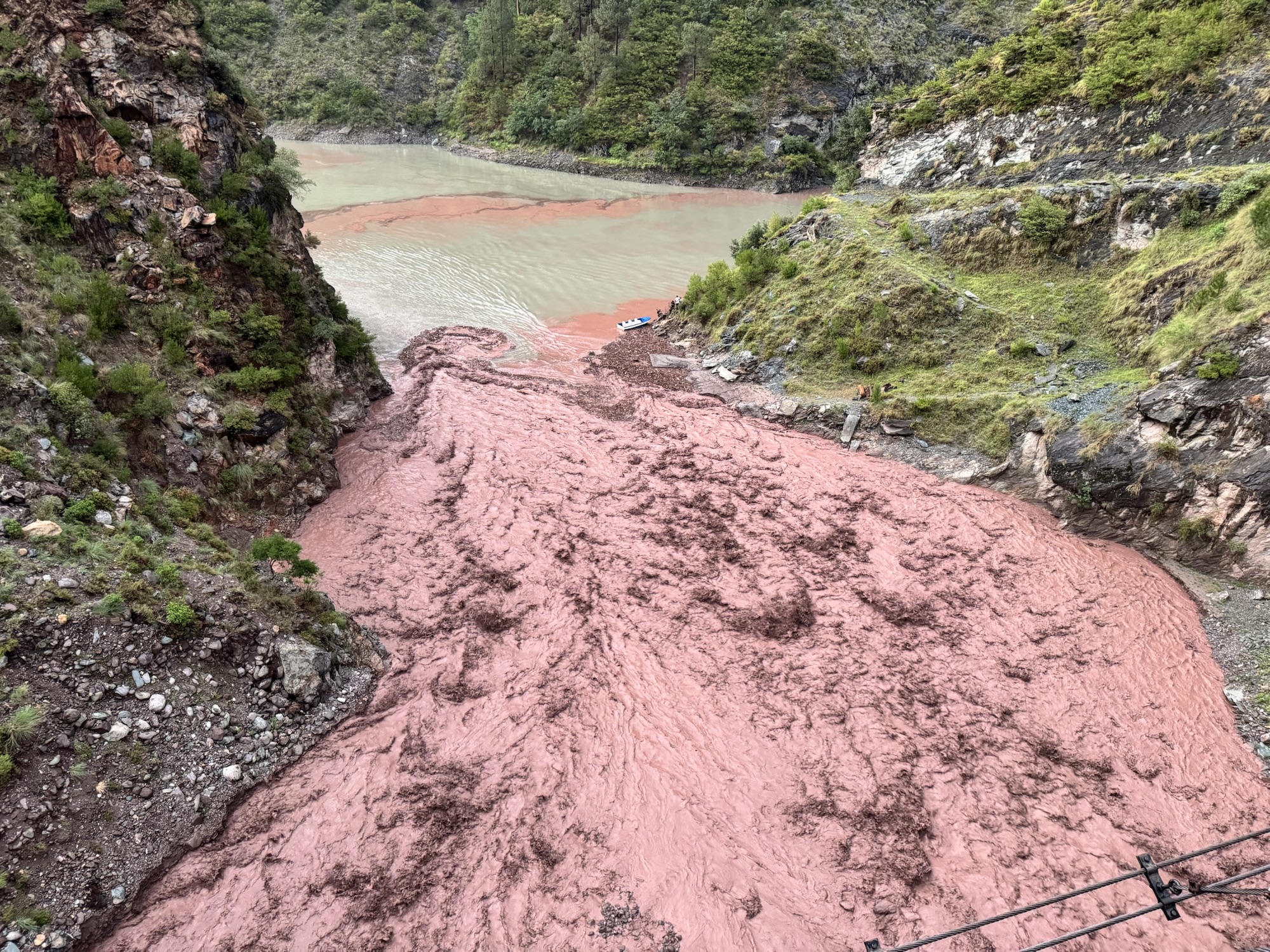
    What started as a calm morning in the mountains turned into a scene of chaos when a sudden cloudburst hit the region, leading to a violent flash flood in a nallah (seasonal stream). Within minutes, the peaceful flow transformed into a powerful surge, carrying with it rocks, mud, trees, and debris—reminding us all of the unpredictable force of nature.

    Eyewitnesses reported that the water level in the nallah rose dramatically, sweeping away footpaths, temporary bridges, and even livestock in its path. Adventure groups and locals nearby were forced to evacuate as the torrent gained momentum downstream.

    What Is a Cloudburst?

    A cloudburst is an intense rainfall event, often localized, where more than 100mm of rain can fall within an hour. In mountainous areas, such heavy rain has no place to drain quickly, and instead rushes down slopes into narrow streams and gullies—creating dangerous flash floods within moments.

    Impact on Local Adventure Tourism

    This event has caused temporary disruption to trekking trails and camping sites in the affected region. Adventure seekers are being advised to avoid travel near nallahs and riverbeds during the monsoon season, especially in high-altitude areas prone to sudden weather shifts.

    At AdventureNat, we emphasize “explore responsibly.” Mountain weather is unpredictable, and awareness is your best defense.

    Safety Tips for Trekkers & Tourists

    ✅ Stay Informed: Always check the local weather and cloud movement before heading out.

    ✅ Avoid Nallah Crossings: During or after heavy rain, avoid crossing streams or camping near them.

    ✅ Emergency Kit: Carry essentials like a flashlight, whistle, power bank, and a first-aid kit.

    ✅ High Ground: If you notice rising water or hear a rumble, immediately move to higher ground.

    ✅ Local Guidance: Consult local guides—they know the terrain and weather patterns best.

    Final Thoughts

    This cloudburst is not just a weather event—it’s a reminder. While the mountains offer unmatched beauty and thrill, they also demand respect. At adventurenat.online, we share real experiences from the wild, so your adventures can stay safe, exciting, and unforgettable.

    Stay cautious. Stay prepared. And above all—respect nature.

    #cloudburst #flood #nallahflood #mountainsafety #adventurealert #adventurenat #flashflood #travelupdate #trekkingtips #exploreresponsibly #himalayanweather
  • Mega Dam Reservoir at Dead Level: A Closer Look at Silt Flushing and Water Management

    Mega Dam Reservoir at Dead Level: A Closer Look at Silt Flushing and Water Management

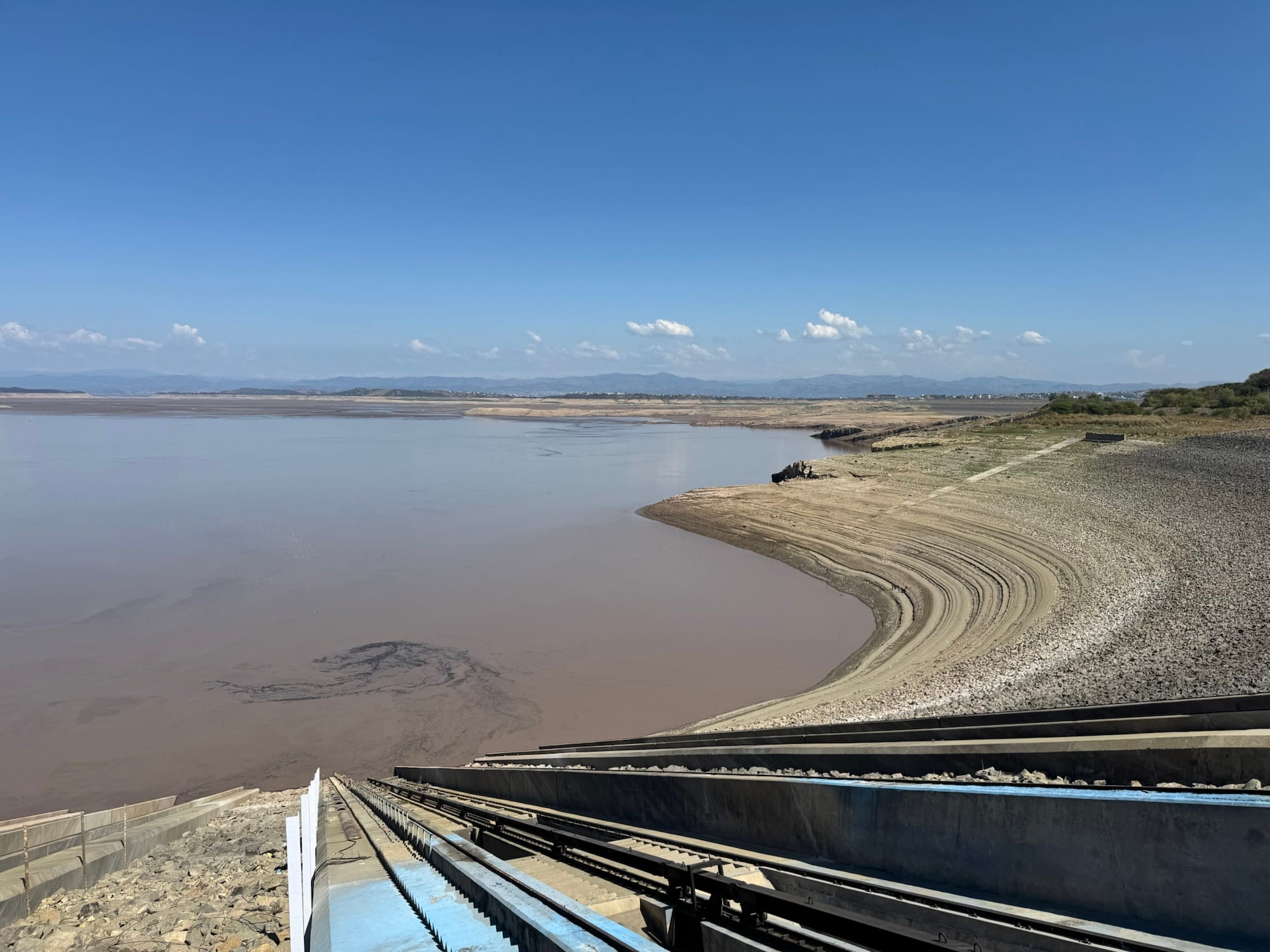
    Welcome to our in-depth exploration of how mega dam reservoirs operate when they reach dead level—and the vital process of silt flushing through irrigation valves. This article will highlight the key points of reservoir management, sediment control, and the broader implications for downstream ecosystems.

    1. Understanding the Dead Level Stage

    When a reservoir hits its dead level, the water volume falls to the lowest operational threshold. At this stage, regular outlets may no longer function effectively for:

    • Hydropower generation

    • Municipal water supply

    • Agricultural irrigation

    Instead, dam operators rely on low-level outlets (or irrigation valves) to manage water flow. Reaching this point can be indicative of drought conditions or a planned drawdown for maintenance.

    SEO Keywords:

    • Mega dam reservoir

    • Dead level water

    • Irrigation valves

    • Drought conditions

    2. Why Silt Flushing Matters

    a) Sediment Accumulation

    Over time, silt and other sediments accumulate in a reservoir, reducing its capacity and threatening water management objectives. This buildup can also damage turbines and reduce hydropower efficiency.

    b) Flushing Through Irrigation Valves

    By opening bottom outlets or specially designed irrigation valves, engineers can flush out excess sediment. The silt flushing process helps maintain reservoir capacity, protects dam infrastructure, and can improve water quality downstream if managed responsibly.

    SEO Keywords:

    • Silt flushing

    • Sediment control

    • Water management

    • Bottom outlets

    3. Environmental and Community Impacts

    a) Downstream Ecosystem Health

    Releasing sediment-laden water can temporarily increase turbidity and impact aquatic habitats. However, controlled silt flushing can also deliver nutrients downstream, supporting riverine ecosystems in the long term.

    b) Agricultural Considerations

    When a dam is at dead level, water availability for irrigation may be limited. Careful planning of silt flushing operations can minimize disruptions to farming communities and ensure sustainable crop irrigation schedules.

    SEO Keywords:

    • Downstream ecosystems

    • Aquatic habitats

    • Farming communities

    • Crop irrigation

    4. Best Practices in Reservoir Management

    1. Scheduled Drawdowns

    Plan reservoir drawdowns during periods of low water demand to minimize impact on irrigation and drinking water supplies.

    2. Regular Monitoring

    Use real-time sensors and satellite imagery to track sediment levels and predict the best times for silt flushing.

    3. Infrastructure Maintenance

    Maintain and upgrade low-level outlets, spillways, and turbines to handle sediment loads effectively.

    4. Community Collaboration

    Engage with local stakeholders, farmers, and environmental agencies to align silt flushing schedules with agricultural cycles and ecological needs.

    SEO Keywords:

    • Reservoir management

    • Low-level outlets

    • Stakeholder engagement

    • Environmental agencies

    5. Looking Ahead: Sustainability and Efficiency

    As climate patterns shift and water resources become more strained, effective reservoir and dam management is increasingly critical. By adopting sustainable practices, leveraging advanced technology, and coordinating with local communities, we can ensure long-term benefits for both humans and ecosystems.

    Join the Conversation

    Have insights or experiences related to mega dam operations, dead level challenges, or silt flushing? Share your thoughts in the comments or on social media.

    Hashtags for Easy Sharing

    #MegaDam #ReservoirManagement #DeadLevel #SiltFlushing #Irrigation #Hydropower #WaterManagement #Sustainability #Drought #SedimentControl #EnvironmentalImpact #DamOperations