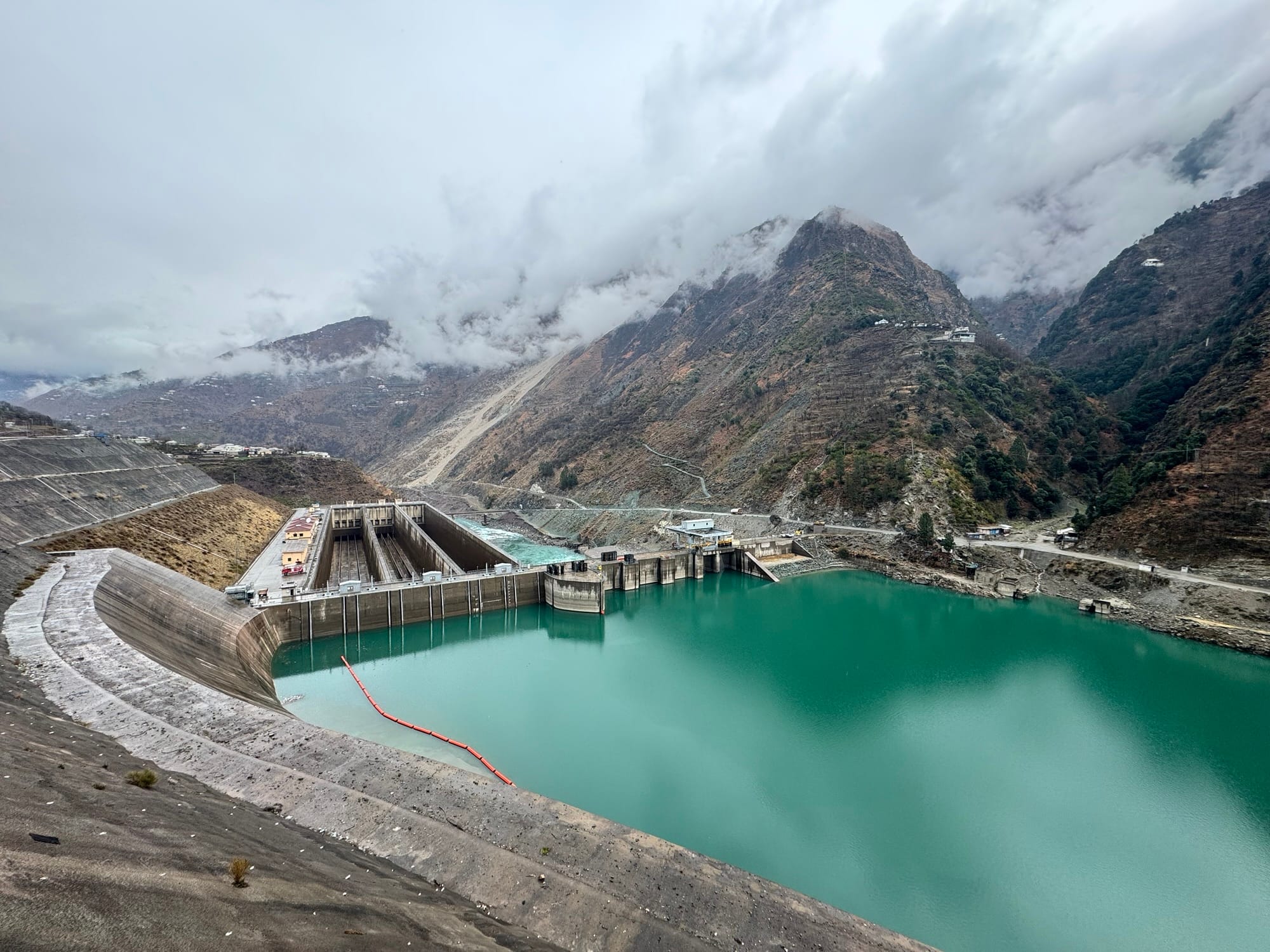


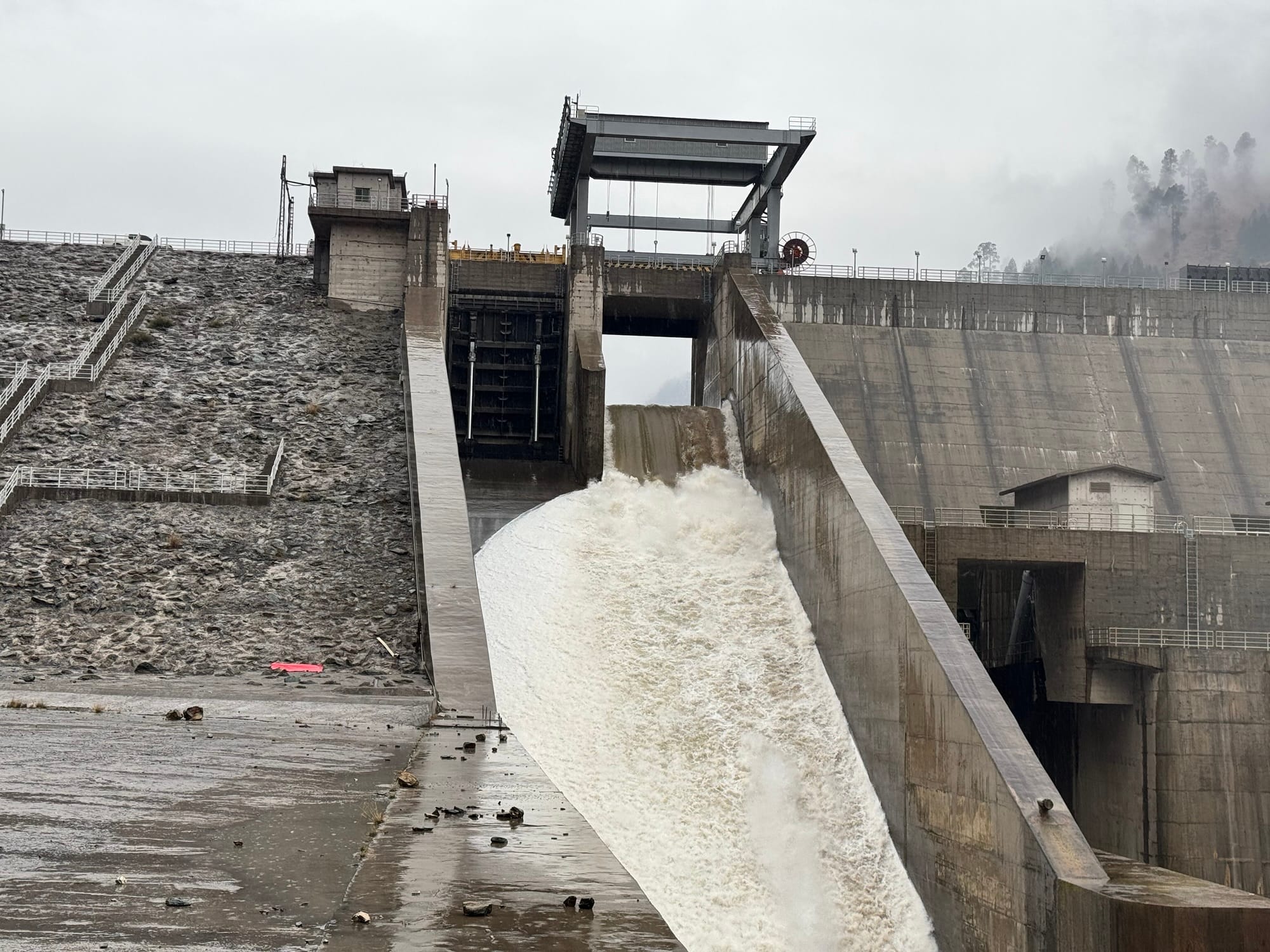
At AdventureNat.Online, we chase storms, scale peaks, and embrace the untamed forces of nature. Few spectacles match the primal energy of a dam release discharge during monsoon rains—a fusion of human engineering and nature’s wrath. Here’s why this phenomenon belongs on every adventurer’s radar.

What is Dam Release Discharge?
During heavy rainfall, dams release excess water to prevent overflow and structural damage. The result? A jaw-dropping surge of water roaring through spillways, often amplified by rain’s relentless downpour. It’s a rare moment where human infrastructure bows to nature’s demands.
Why Adventurers Should Care
- Thrill of the Storm
Feel the ground vibrate as billions of gallons of water explode from the dam’s gates. The combination of monsoon rains and discharge creates a sensory overload—deafening roars, blinding spray, and adrenaline-pumping energy. - Photographer’s Goldmine
Capture the raw drama: silvery water arcs cutting through storm clouds, rainbows forming in the mist, and the eerie beauty of floodlights illuminating the chaos after dark. - Climate Education
Witnessing dam releases firsthand highlights the delicate balance between water management and climate extremes—a critical lesson in our changing world.
Top Destinations to Experience Dam Release Discharge
- Bhakra Dam, Himachal Pradesh
India’s giant comes alive during monsoons, with spillways unleashing Himalayan meltwater amplified by rains. - Idukki Dam, Kerala
Watch the “Periyar River Fury” during Kerala’s torrential downpours, surrounded by lush, rain-soaked forests. - Hirakud Dam, Odisha
Asia’s longest dam transforms into a thunderous beast when monsoon floods hit the Mahanadi River.
Safety Tips for Storm Chasers
- Keep Distance: Sudden water surges and slippery banks can be deadly. Use zoom lenses, not risky selfies.
- Check Alerts: Dams often announce discharge schedules. Follow local authorities and weather updates.
- Rain Gear: Waterproof everything—cameras, phones, and yourself. Monsoon winds + spray = instant soaking.
- Respect Barriers: Never cross safety fences or ignore warning sirens.
Photography Pro Tips
- Shutter Speed Magic: Use slow shutter (1/4 sec) to blur water motion, or fast shutter (1/1000+) to freeze droplets.
- Stormy Mood: Underexpose shots slightly to accentuate dark skies and water’s silky flow.
- Human Element: Include a lone figure (safely distant) in a raincoat for scale and storytelling.
The Bigger Picture

Dam releases during rains are stark reminders of nature’s power—and our fragile coexistence with it. For adventurers, they’re a call to witness, learn, and advocate for sustainable water practices.