

Subscribe to Our YouTube Channel

Get the latest videos from Kashmir Explorer.

Subscribe
Outdoor Adventure Gear

Outdoor Adventure Gear

Durable gear perfect for hiking, camping, and outdoor adventures.

View on Amazon

Recommended Outdoor Product

Useful gear for travel, hiking, and outdoor adventures.

View on Amazon
Amazon Product

Featured Amazon Product

Useful product recommended for travel and outdoor adventures.

View on Amazon

Tag: hydroelectric power

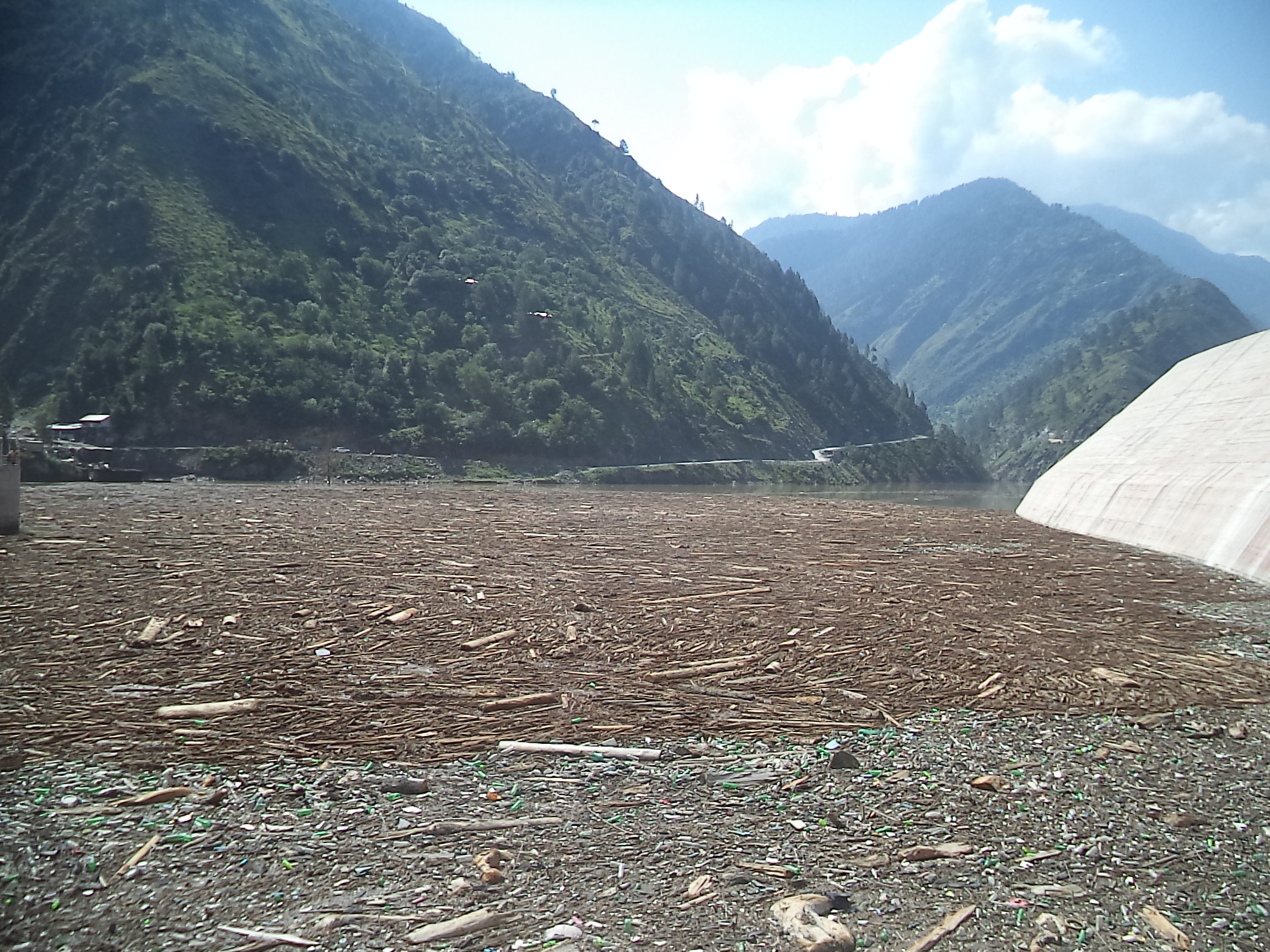
  • The Problem of Massive Floating Debris in Dam Reservoirs

    The Problem of Massive Floating Debris in Dam Reservoirs

    Dams play a crucial role in managing water resources, generating hydroelectric power, and supporting agricultural irrigation. However, one persistent challenge faced by dam operators is the accumulation of massive floating debris in the reservoirs. This debris often consists of wooden logs, branches, and other natural or man-made materials carried downstream by rivers.

    Causes of Floating Debris in Reservoirs

    1. Deforestation and Logging: Areas upstream of dams are often subject to deforestation or logging activities. Heavy rains or floods can wash down tree trunks, branches, and wood scraps into rivers, eventually leading to reservoirs.
    2. Natural Events: Landslides, floods, and seasonal changes can contribute to large amounts of vegetation and debris entering river systems.
    3. Human Activities: Improper waste disposal and human negligence also add to the debris problem. Plastic waste and other pollutants often accompany the wooden logs, exacerbating environmental concerns.

    Impacts of Floating Debris

    1. Operational Challenges: The accumulation of debris can obstruct dam intakes, spillways, and turbines, reducing efficiency and increasing maintenance costs.
    2. Environmental Concerns: Floating debris, especially if mixed with plastics or other non-biodegradable materials, can harm aquatic ecosystems, disrupt fish habitats, and reduce water quality.
    3. Recreational Issues: Reservoirs often serve as popular destinations for boating, fishing, and tourism. Debris-filled waters deter visitors and pose safety hazards.
    4. Flood Risk: Debris can block water flow and create bottlenecks, increasing the risk of flooding during heavy rainfall.

    Solutions to Manage Floating Debris

    1. Debris Booms: Installing floating barriers or booms can help contain debris before it reaches critical areas of the dam.
    2. Regular Monitoring and Cleanup: Scheduled inspections and cleanup operations can prevent the accumulation of large debris piles.
    3. Community Awareness: Educating upstream communities about responsible waste management and the importance of forest conservation can significantly reduce the debris load.
    4. Innovative Technologies: Using automated debris collection systems or incorporating sensors to monitor debris levels can streamline the management process.
    5. Recycling and Reuse: Harvested wooden debris can be repurposed for construction, energy production, or other practical uses, turning a challenge into an opportunity.
  • Snow-Covered Mountains: A Winter Wonderland Awaits

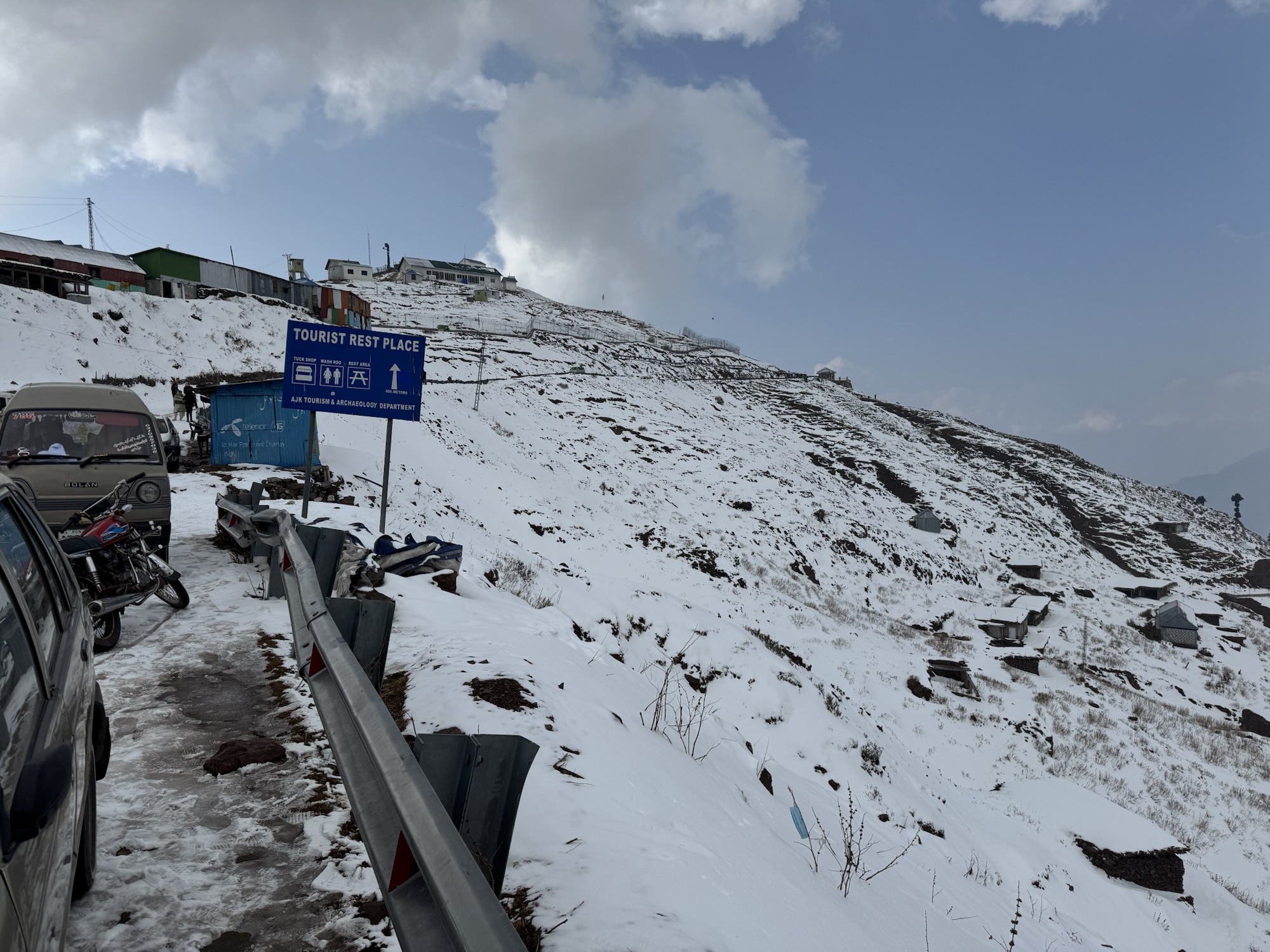
    Snow-Covered Mountains: A Winter Wonderland Awaits

    As winter sets in, the mountains transform into a breathtaking spectacle of snow-covered peaks, inviting adventurers and nature lovers to experience their serene beauty. Whether you’re a thrill-seeker looking for high-altitude escapades or someone who simply enjoys the peaceful charm of winter landscapes, snow-covered mountains offer something magical for everyone.

    The Beauty of Snow-Capped Peaks

    The sight of mountains blanketed in pristine white snow is mesmerizing. The crisp mountain air, the soft crunch of snow underfoot, and the way the sunlight glistens on the icy slopes create a surreal experience. Photographers and nature enthusiasts find endless inspiration in these landscapes, capturing stunning panoramas of untouched wilderness.

    Adventure in the Snow

    For adrenaline junkies, snow-covered mountains provide the perfect playground. Popular winter activities include:

    • Skiing & Snowboarding – Glide down the slopes and experience the thrill of winter sports in world-renowned ski resorts.

    • Snowshoeing & Winter Hiking – Explore scenic trails while enjoying the quiet beauty of a snow-laden forest.

    • Ice Climbing – Test your skills on frozen waterfalls and icy rock faces for a unique climbing challenge.

    • Snow Camping – Experience the tranquility of winter nights under a star-lit sky, surrounded by majestic peaks.

    Best Destinations for Snow-Covered Adventures

    Some of the world’s most breathtaking snow-covered mountains include:

    • The Himalayas, Nepal & India – Home to the world’s highest peaks, offering trekking and mountaineering experiences like no other.

    • The Alps, Europe – A paradise for skiers and snowboarders, with charming alpine villages and spectacular views.

    • The Rockies, USA & Canada – Known for their dramatic winter scenery and excellent snow sports opportunities.

    • The Karakoram, Pakistan – Featuring some of the most rugged and awe-inspiring peaks, ideal for extreme adventurers.

    Tips for Safe Winter Exploration

    Before heading into the snow-covered wilderness, make sure to:

    • Dress in layers to stay warm and dry.

    • Carry essential gear like a map, compass, and emergency supplies.

    • Check weather conditions and avalanche warnings before setting out.

    • Travel with a guide or experienced adventurers if exploring remote areas.

    Conclusion

    Snow-covered mountains are a symbol of nature’s raw beauty and power, offering endless opportunities for adventure and relaxation. Whether you’re conquering the slopes or simply soaking in the stunning views, winter in the mountains is an experience like no other. So pack your gear, embrace the cold, and step into a world where nature’s winter wonderland awaits!

    For more adventure travel tips and guides, explore AdventureNat.online!