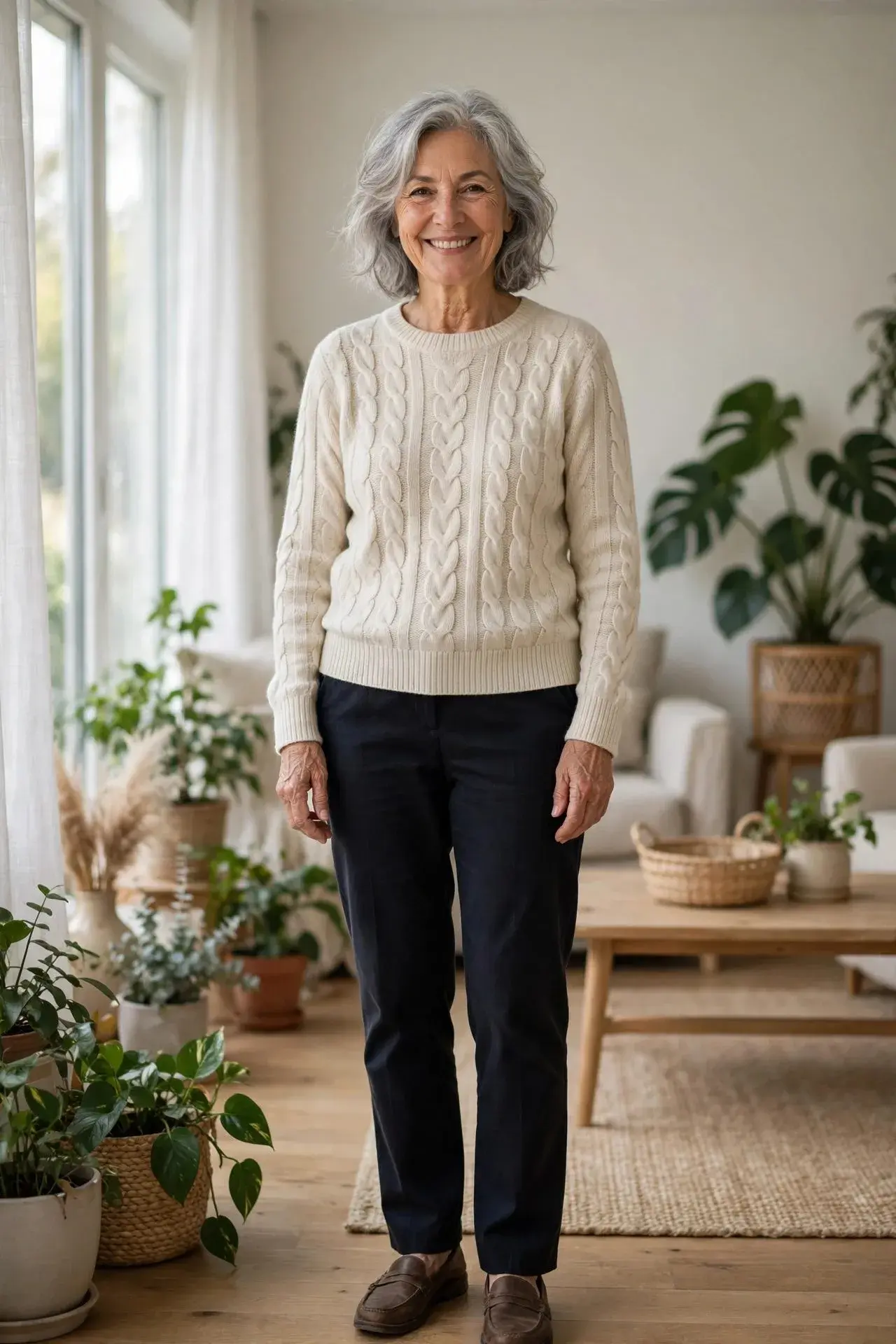
Psychology says people who enjoy being alone after 50 share these 8 rare traits — and when you look closer, the list keeps growing. If you've ever felt more restored by a quiet evening alone than a crowded party, you're not broken, antisocial, or secretly lonely. You're in good company with some of the most grounded, creative, and self-aware people alive.
This one's for anyone over 50 who genuinely loves their own company — and for the people who love them and want to understand why. Quick tip as we begin: solitude and loneliness are opposites, not synonyms. One is chosen and healing; the other is unwanted and painful. Everything that follows celebrates the first.
Quick Picks
The master trait: Being alone without being lonely — solitude that restores.
Most misunderstood: Noise sensitivity — neurological, not snobbery.
Most hard-won: Emotional independence — worth sourced from within.
Most visible: Comfort in routine — rituals that steady the day.
Deepest: Philosophical depth — big questions pondered in peace.
How to Recognize These Traits
You won't spot these traits on a quiz — they show up in behavior. Look for consistency over time: calmer in quiet rooms, choosier about invitations, quicker to notice small beauties. A single quiet weekend means nothing; a lifetime of choosing depth over noise means everything.
Watch what restores them. Party or long walk alone? Solitude-lovers recharge in quiet.
Notice their social calendar. Few plans, but the ones they keep matter deeply.
Listen to their language. Words like "peaceful" and "my time" signal positive solitude, not apology.
Check the inner life. Readers, journalers, makers — a rich interior world usually accompanies it.
Look for boundaries without drama. A simple "no, thank you" with zero guilt is the clearest tell.
1. Deep Self-Awareness

They've spent enough hours with their own thoughts to recognize their emotional weather patterns: what energizes them, what drains them, when their social battery starts dipping toward empty. After 50, decades of this quiet observation harden into genuine wisdom. They can name their needs without apology and adjust their days accordingly, which is rarer than it sounds.
Key sign: Spots mood shifts early.
Shows up when: Declines invites before burnout, not after.
Strength: Emotional honesty.
Watch for: Overthinking without self-compassion.
Grows with: Journaling, therapy, reflective walks.
Tip: Try a five-minute evening check-in on your energy.
2. Comfort With Silence

They don't rush to fill every quiet moment with noise, chatter, or background television. A silent car ride feels pleasant, not awkward. After 50, this comfort reads as security rather than strangeness — they've learned through experience that silence isn't empty. It's full of answers, and they've stopped being afraid of what they might hear in it.
Key sign: At ease in quiet rooms.
Shows up when: Doesn't rush to fill silences.
Strength: Real listening.
Watch for: Others reading their quiet as disapproval.
Grows with: Meditation, solo drives, quiet mornings.
Tip: Try one silent morning a week — no podcasts, no radio.
3. Selective Socializing

They prefer a few deep one-on-one connections over a wide circle of acquaintances, and they'd rather cancel than endure small talk. After 50, this selectivity sharpens into something almost principled. With limited energy and much clearer priorities, they invest only in relationships that feel real — and the friendships they keep tend to last decades.
Key sign: Small circle, fierce loyalty.
Shows up when: Skips parties, drives far for one friend.
Strength: Deep, durable friendships.
Watch for: Letting even close bonds drift.
Grows with: Honest talks about what friendship means now.
Tip: Audit your circle yearly — quality beats quantity at every age.
4. A Rich Inner Life

A vivid imagination, ongoing reflection, and an active interior world mean they're rarely bored alone. There's always something turning over in their minds — an idea, a memory, a plan. After 50, this inner richness fuels real pursuits: writing, art, gardening, study. Their solitary hours feel full rather than empty, which is why an evening alone can feel like the best part of the week.
Key sign: Always has a project going.
Shows up when: A rainy weekend alone feels like a gift.
Strength: Constant creativity.
Watch for: Retreating so far inward the outer world fades.
Grows with: Reading, creative hobbies, unstructured thinking time.
Tip: Keep a "wonder list" of fascinating questions for quiet hours.
5. Emotional Independence

Their mood doesn't hinge on others' approval, invitations, or attention. A weekend with no plans doesn't dent their sense of worth. After 50, this independence is usually hard-won: years of people-pleasing, performing, and seeking permission gradually give way to something steadier. What remains is self-sourced — and far less fragile than the applause-dependent version.
Key sign: Unbothered when left out.
Shows up when: Celebrates wins quietly, no witnesses needed.
Strength: Unshakeable emotional baseline.
Watch for: Pride tipping into never needing anyone.
Grows with: Solo accomplishments, surviving hard things alone.
Tip: Celebrate one small win privately each week.
6. Independent Thinking

They form opinions through reflection rather than group consensus and are comfortable holding the minority view at the dinner table. After 50, this trait shows up as quiet confidence rather than contrarianism. They've watched enough fads, panics, and popular opinions come and go to trust judgment built over decades of careful observation — and they're rarely swayed by the loudest voice in the room.
Key sign: Has truly thought things through.
Shows up when: Calmly disagrees while everyone else agrees.
Strength: Clear, hype-resistant judgment.
Watch for: Stubbornness; stay open to new evidence.
Grows with: Reading widely, especially opposing views.
Tip: Before adopting a popular opinion, ask what you'd believe unwatched.
7. Low Need for External Validation

They've stopped performing for applause. The résumé-building, impress-the-room years are behind them, and what remains is genuinely rare: the ability to feel accomplished without anyone watching. After 50, this looks like someone who does excellent work and never mentions it, who dresses for themselves, who measures a good day by their own quiet standards.
Key sign: Never announces achievements.
Shows up when: Turns down recognition without false modesty.
Strength: Complete authenticity.
Watch for: Undervaluing themselves where visibility matters.
Grows with: Private goals, privately kept.
Tip: Set one goal this month nobody will ever know about.
8. High Sensitivity to Noise and Chaos

Crowds, loud rooms, and constant stimulation genuinely drain them — and it's neurological, not snobbery. Their nervous systems process more of everything, so a noisy restaurant can feel like an assault while others barely notice. After 50, they've stopped apologizing for this and started protecting their peace deliberately, choosing calm environments the way others choose good lighting: as an act of basic self-care.
Key sign: Leaves loud events early.
Shows up when: Always picks the quiet corner table.
Strength: Notices subtleties others miss.
Watch for: Avoiding all stimulation; connection needs some noise.
Grows with: Honest limits, calm home design.
Tip: Note which environments drain or restore you.
9. Strong Personal Boundaries

Saying no without guilt is second nature to them. They don't over-explain, don't cave under pressure, and don't resent the asker afterward. After 50, this becomes something like an earned right: they've given enough obligatory yeses — to committees, casseroles, and conversations they never wanted — to know exactly what a single honest no is worth. Their calendar reflects their values, not their fears.
Key sign: Clean, guilt-free no's.
Shows up when: Declines without a ten-minute justification.
Strength: Self-respect others learn to mirror.
Watch for: Boundaries hardening into walls.
Grows with: Practice — each kept boundary eases the next.
Tip: Use the two-sentence no: "Thanks for thinking of me. I can't this time."
10. A Grounded Sense of Identity

They know who they are without needing a mirror held up by other people. Tastes, values, quirks — all settled, all owned. After 50, identity is no longer under construction. It's a finished, furnished home they enjoy living in, which is why they seem so unshakeable compared to people still renovating. Trends wash over them; opinions bounce off. The foundation was poured decades ago.
Key sign: Same in every room.
Shows up when: Fads and peer pressure leave them unmoved.
Strength: Integrity — actions match values.
Watch for: Identity calcifying; keep growing.
Grows with: Life review, honest friendships.
Tip: Write a one-paragraph "about me" — who you are, not your résumé.
11. Appreciation for Small Moments

Morning coffee steam, light through a window, a perfectly turned paragraph — they notice details that others rush straight past. After 50, this attentiveness deepens into something like a daily practice. They've learned that a good life isn't built from milestones but from thousands of tiny, fully noticed instants, and they collect them the way others collect souvenirs: deliberately, and with real pleasure.
Key sign: Notices small beauties.
Shows up when: Fully in this moment, not scrolling past life.
Strength: Gratitude, a proven well-being driver.
Watch for: Savoring now curdling into mourning then.
Grows with: Slow mornings, nature walks, phone in another room.
Tip: Name three specific good things before bed tonight.
12. Self-Reliance in Daily Life

Managing a household, solving problems, and navigating whole days alone feels natural to them, not lonely. The leaky faucet gets fixed, the trip gets planned, the quiet Saturday gets filled — all without fanfare. After 50, this competence becomes a genuine point of pride. Living alone, for those who do, isn't a fallback position; it's proof they can take care of themselves, and they know exactly how much that's worth.
Key sign: Handles logistics solo.
Shows up when: Fixes things or learns how.
Strength: Confidence that survives anything.
Watch for: Refusing help when it's genuinely needed.
Grows with: DIY projects, solo travel, new practical skills.
Tip: Fix one small thing yourself this week.
13. Reflective Decision-Making

They think before they speak and pause before they act — not from fear, but from habit. The instant reaction holds little appeal when you've seen how often it misfires. After 50, this deliberateness prevents the impulsive mistakes of youth and earns them a quiet reputation for sound judgment. Friends start bringing them the big decisions, because everyone knows they'll actually think it through.
Key sign: Pauses to consider.
Shows up when: Sleeps on big choices.
Strength: Fewer regrets, better outcomes.
Watch for: Analysis paralysis; reflection must end in action.
Grows with: Journaling pros and cons, the friend-advice test.
Tip: Give big decisions 24 hours.
14. Creative Engagement

Solitude is where they make things: journals fill up, paintings get finished, recipes get invented, gardens get tended. The quiet isn't empty for them — it's a workshop. After 50, creative work does double duty: it keeps the mind agile and gives solitary time a sense of purpose and play. Many discover that the artistic ambitions they shelved during the busy decades were simply waiting for the quiet to return.
Key sign: Always making something.
Shows up when: Loses track of hours creating.
Strength: Vitality — creating keeps minds young.
Watch for: Perfectionism; making beats masterpieces.
Grows with: Unstructured time, good materials, beginner's permission.
Tip: Take one "useless" creative hour weekly — no goal, no audience.
15. Comfort in Routine

Morning rituals, evening walks, familiar rhythms — they find genuine meaning in repetition. The same route, the same chair, the same first cup: these aren't ruts, they're anchors. After 50, routines become the architecture of a good day, steadying everything without requiring any audience. There's a quiet luxury in a life that runs on beloved habits rather than constant novelty.
Key sign: Guards routines fiercely.
Shows up when: Home rhythm feels sacred after travel.
Strength: Routines regulate mood, sleep, health.
Watch for: Rigidity; routines should serve, not imprison.
Grows with: Morning pages, evening wind-downs, weekly rituals.
Tip: Design one anchor ritual and defend it for a month.
16. Selective Empathy

They feel deeply — but not indiscriminately. Where others spray emotional energy in every direction, they aim it carefully at the people and causes that truly matter. After 50, this selectivity becomes a survival skill: decades of caring about everything taught them the cost, and now they budget their hearts the way wise people budget money. The infj personality type is one of the rarest for a reason.
Key sign: Deep for few, unbothered by most.
Shows up when: Deep for friends, unbothered by trivia.
Strength: Total loyalty where it counts.
Watch for: Compassion fatigue even within the chosen few.
Grows with: Honest accounting of emotional spending.
Tip: List where your caring went this week.
17. Freedom From Social Comparison

They've stepped off the ladder of keeping up. The comparisons that tormented earlier decades — career titles, house sizes, vacation photos, even looks — have quietly faded. After 50, this freedom feels like exhaling after holding your breath for thirty years. They can admire someone's success without measuring their own against it, which makes them unusually pleasant company and remarkably hard to manipulate.
Key sign: Happy for others, zero envy.
Shows up when: Someone brags and they just smile.
Strength: Contentment immune to ads and algorithms.
Watch for: Drifting into complacency.
Grows with: Gratitude, limited social media, real friendships.
Tip: When comparison flares, name the need underneath.
18. The Ability to Be Alone Without Being Lonely

This is the master trait, the one everything else orbits: positive solitude. They can spend a whole weekend alone and feel restored rather than abandoned. After 50, research links this capacity to higher well-being and lower distress — and culture is finally catching up, with the whole lonely aesthetique trend romanticizing candlelit evenings, slow mornings, and beautiful solitude. They were doing it before it was fashionable.
Key sign: Rested after solo weekends.
Shows up when: Secretly pleased when plans cancel.
Strength: Well-being independent of others' schedules.
Watch for: Chosen solitude sliding into accidental isolation.
Grows with: Intentional solo rituals — dinners, trips, holidays alone.
Tip: Plan one solo outing this month.
19. Curiosity and Love of Learning

Reading, documentaries, courses, deep dives into gloriously obscure subjects — their appetite for learning never retired along with their job title. After 50, curiosity becomes less a hobby and more a lifestyle, and solitude is its favorite classroom. A quiet afternoon with a good book beats a noisy afternoon of small talk every time, and their bookshelves (physical or digital) tell the story of a mind that's still wide open.
Key sign: Always mid-book or rabbit-hole.
Shows up when: Lights up over obscure fascinations.
Strength: Mental agility.
Watch for: Consuming without ever creating.
Grows with: Library cards, documentary queues, yearly new subjects.
Tip: Follow one random curiosity for 30 days.
20. Strong Intuition

Decades of pattern recognition have sharpened their gut instincts to something approaching a superpower. They've watched enough people, situations, and outcomes to read a room in seconds. After 50, they trust that inner voice quickly — and they're usually right. This isn't mysticism; it's the compound interest of paying attention for half a century, and solitude gave them the quiet needed to hear it.
Key sign: Hunches that prove right.
Shows up when: Reads people and rooms in seconds.
Strength: Fast, accurate judgment.
Watch for: Mistaking bias for intuition; fact-check sometimes.
Grows with: Reviewing past hunches and their outcomes.
Tip: Keep an intuition log for a month — hunch, then outcome.
21. Philosophical Depth

Big questions — meaning, mortality, legacy, what it was all for — don't frighten them. Solitude is where they turn these questions over, slowly, the way you'd turn a stone in your hand. After 50, this contemplative streak becomes a source of calm rather than crisis. Philosophy offers rich quotes on solitude — Thoreau, Schopenhauer — and many quietly collect meaningful quotes as nourishment.
Key sign: Unflinching on big questions.
Shows up when: Quiet evenings prompt reflection, not distraction.
Strength: Perspective that shrinks daily irritations.
Watch for: Brooding; philosophy should illuminate, not darken.
Grows with: The Stoics, journaling, long walks with big questions.
Tip: Borrow one philosopher for a month — start with Marcus Aurelius.
22. Gratitude for Autonomy

Time that is fully their own feels like a gift — especially after years of caregiving, careers, commutes, and obligations to everyone else's schedule. After 50, autonomy isn't taken for granted; it's savored, protected, and scheduled around. They've earned the right to spend Tuesday exactly as they please, and they treat that freedom with the reverence it deserves. Ask them what they're most thankful for and don't be surprised if the answer is simply: my time.
Key sign: Treats free time as sacred.
Shows up when: Protects mornings over opportunities.
Strength: A life arranged around what matters.
Watch for: Guarding time so fiercely spontaneity dies.
Grows with: Saying no and watching the sky not fall.
Tip: Block one morning weekly as non-negotiable personal time.
Quick Comparison
| Trait | Rarity | Impact | Nurture it by |
| 1. Self-Awareness | Uncommon | High | Check-ins |
| 2. Silence Comfort | Rare | High | Quiet mornings |
| 3. Selective Socializing | Uncommon | High | Audit circle |
| 4. Rich Inner Life | Uncommon | Medium | Create |
| 5. Emotional Independence | Rare | High | Private wins |
| 6. Independent Thinking | Uncommon | High | Read widely |
| 7. Low Validation Need | Rare | High | Secret goals |
| 8. Noise Sensitivity | Uncommon | Medium | Calm spaces |
| 9. Boundaries | Rare | High | Practice no's |
| 10. Grounded Identity | Rare | High | Life review |
| 11. Small Moments | Uncommon | Medium | Slow mornings |
| 12. Self-Reliance | Common | Medium | DIY |
| 13. Reflective Decisions | Uncommon | High | Wait 24h |
| 14. Creativity | Uncommon | Medium | Make weekly |
| 15. Routine Comfort | Common | Medium | One ritual |
| 16. Selective Empathy | Rare | High | Track energy |
| 17. No Comparison | Rare | High | Gratitude |
| 18. Alone, Not Lonely | Rare | Very high | Go solo |
| 19. Curiosity | Uncommon | Medium | Learn yearly |
| 20. Intuition | Uncommon | High | Log hunches |
| 21. Philosophical Depth | Rare | High | Read Stoics |
| 22. Autonomy Gratitude | Rare | Very high | Guard mornings |
Mistakes to Avoid
Assuming they must be lonely. Solitude is chosen and restorative; loneliness is unwanted and painful. People who enjoy being alone — including many thriving while living alone — are often the least lonely in the room.
Confusing introversion with shyness. Introversion is about energy; shyness is fear of judgment. Many solitude-lovers are confident and socially skilled — they just budget their energy.
Calling them antisocial. They don't dislike people; they prefer depth over breadth. Most maintain a small number of very close, loyal relationships that put casual acquaintanceships to shame.
Treating solitude as a symptom. Withdrawal can signal depression, but chosen solitude with stable mood and normal functioning is healthy. The test: restored or depleted afterward?
Assuming they lack social skills. Research and clinical observation show solitude-lovers can be just as socially adept as extroverts. Their style is quieter and more selective — not less competent.
Labeling them selfish or cold. Selective empathy isn't absent empathy. Many feel things intensely; they simply protect that depth from being spread so thin it disappears.
Final Tips for Embracing Solitude After 50
Name it positively. Call it solitude or restoration, not "being alone" like a problem. Language shapes treatment.
Build rituals. The morning walk, the reading hour, the Sunday cook — rituals turn empty time rich.
Keep one deep channel open. Tend at least one close relationship — solitude and connection strengthen each other.
Collect wisdom deliberately. Keep the meaningful quotes, the life lesson quotes, the lines from books that stopped you cold. A personal anthology of insight is one of solitude's finest products.
Audit yearly. Once a year, ask: is my alone time restoring me or isolating me? The honest answer keeps positive solitude from drifting into something else.
FAQs
Is it normal to enjoy being alone after 50?
Completely. Psychology research links positive solitude in older adults to lower stress, greater autonomy, and better emotional regulation. The need for constant socializing often decreases naturally as priorities clarify with age. Enjoying your own company signals self-awareness, not a problem — as long as the solitude feels chosen and leaves you restored.
What's the difference between solitude and loneliness?
Solitude is voluntary and replenishing; loneliness is involuntary and painful. As Paul Tillich put it: loneliness is the pain of being alone, solitude the glory of it. The test is how you feel afterward — restored means solitude, depleted means loneliness.
Are people who like being alone more likely to be depressed?
Not inherently. Chosen solitude with stable mood and normal functioning is healthy and even protective. Worry only if withdrawal brings persistent low mood, lost interest, or declining functioning — classic depression signs. A content solitude-lover and a withdrawing depressed person look similar from outside, which is why the "restored or depleted" test matters.
Can you learn to enjoy solitude, or is it just personality?
Both. Temperament sets the baseline — introverts and highly sensitive people take to solitude naturally — but the skills are learnable at any age. Start small: one quiet morning, one solo outing, one evening without background noise. Most people discover that comfort with solitude grows with practice, especially after 50 when the pressure to perform socially tends to fade anyway.
How do I explain my need for alone time to family without hurting feelings?
Be direct, warm, and brief: "I recharge best with quiet time — it's how I'm wired." Most hurt feelings come from ambiguity, not the boundary. Offer the alternative clearly — "coffee Thursday, just not the big dinner" — so people hear the yes inside the no. Those who matter will understand.
Your Quiet Strength Is a Gift
If you recognized yourself in these traits, here's the truth worth carrying: your love of solitude isn't something to fix, explain away, or apologize for. It's one of the rarest and most valuable capacities a person can develop — and after 50, it's finally, fully yours. Protect it, enjoy it, and let the quiet do its good work.