

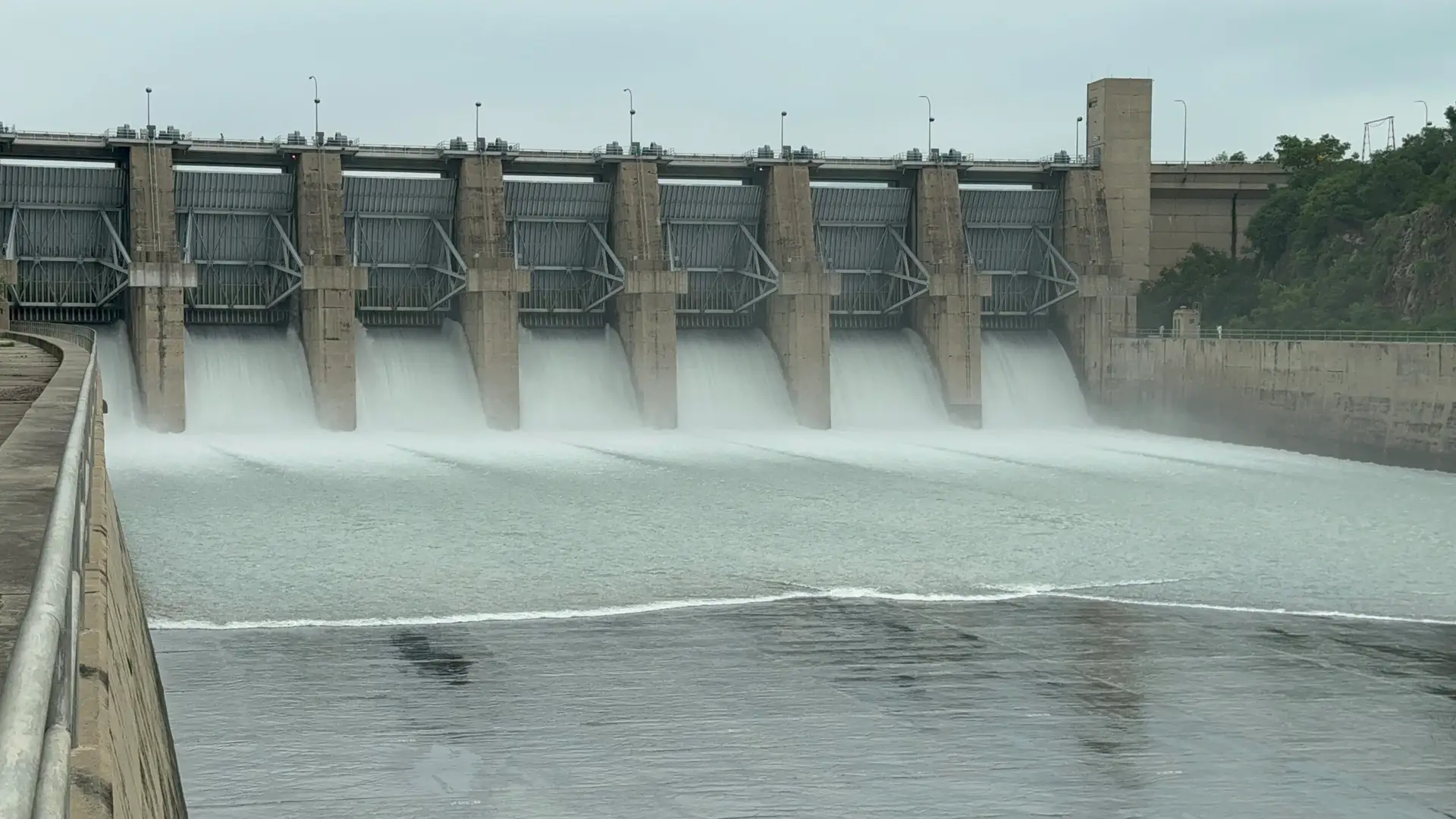
Tarbela Dam is the largest earth-filled dam in Pakistan and one of the biggest embankment dams in the world. Built across the mighty Indus River in the Haripur District of Khyber Pakhtunkhwa, approximately 70 kilometers northwest of Islamabad, the dam is a cornerstone of Pakistan’s water and energy infrastructure. It was constructed to store water for irrigation, control floods, and generate hydroelectric power for the national grid. Since its commissioning in the 1970s, Tarbela Dam has played a vital role in supporting Pakistan’s agriculture, industries, and economic development.
Historical Background
The idea of constructing Tarbela Dam emerged after the signing of the Indus Waters Treaty in 1960 between Pakistan and India, with the World Bank acting as a mediator. Under the treaty, the eastern rivers—Ravi, Beas, and Sutlej—were allocated to India, while Pakistan retained the rights to the western rivers: the Indus, Jhelum, and Chenab. To compensate for the reduced water availability from the eastern rivers, Pakistan initiated a comprehensive water development program that included the construction of Tarbela Dam.
Construction began in 1968, involving thousands of engineers, technicians, and workers from Pakistan and around the world. The project was one of the largest civil engineering undertakings of its time. Tarbela Dam was officially completed in 1976, marking a major milestone in Pakistan’s infrastructure development.
Location and Geographical Importance
Tarbela Dam is situated on the Indus River, the longest river in Pakistan, near the town of Tarbela in Haripur District, Khyber Pakhtunkhwa. The location was selected because of its favorable geological conditions, narrow river valley, and large upstream catchment area originating in the Himalayas, Karakoram, and Hindu Kush mountain ranges. These snow-fed mountains provide abundant water throughout the year, making the site ideal for a large storage reservoir and hydropower generation.
Engineering Design and Dimensions
Tarbela Dam is an earth and rock-fill embankment dam designed to withstand enormous hydraulic pressures while safely storing billions of cubic meters of water. The dam stands approximately 143 meters (470 feet) above the riverbed and stretches about 2,743 meters (9,000 feet) across the valley crest. It is one of the world’s largest embankment dams by fill volume, requiring more than 106 million cubic meters of earth and rock materials during construction.
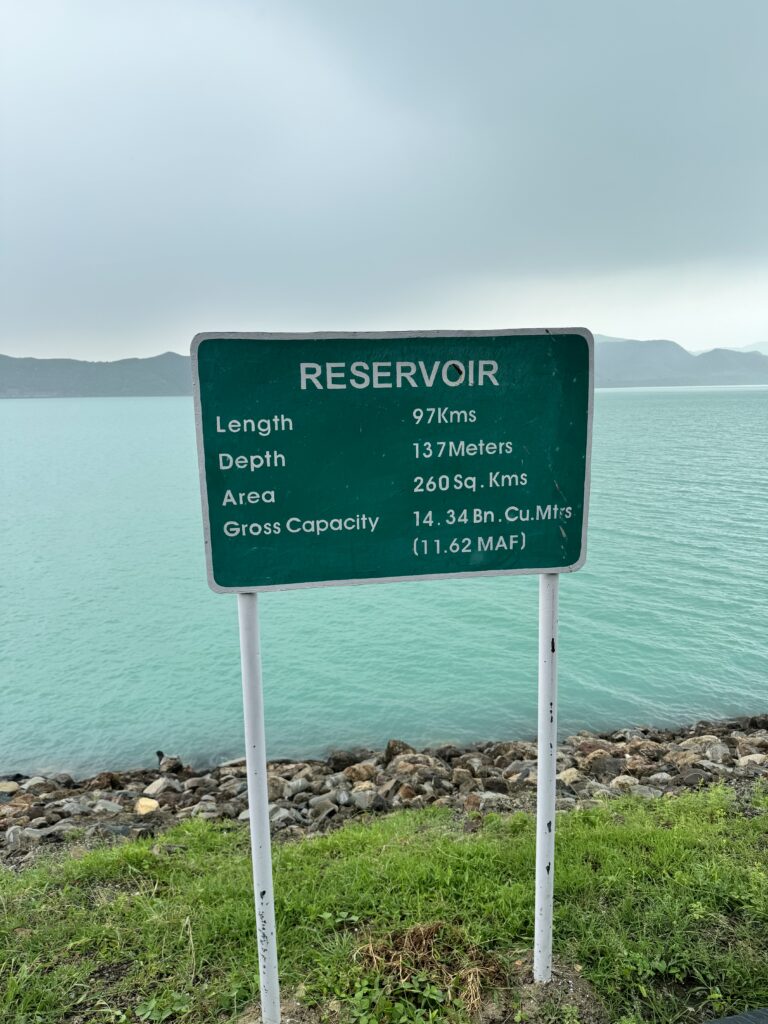
The reservoir extends for nearly 100 kilometers upstream, creating one of Pakistan’s largest artificial lakes. At its maximum conservation level, the reservoir has a gross storage capacity of approximately 13.7 billion cubic meters (around 11.6 million acre-feet), although sediment deposition over decades has gradually reduced its effective storage capacity.
Hydropower Generation
One of Tarbela Dam’s primary functions is hydroelectric power generation. Water stored in the reservoir is released through massive steel penstocks to drive Francis turbines located inside the underground powerhouse. The rotating turbines convert hydraulic energy into mechanical energy, which is then transformed into electrical energy by large generators.
The original hydropower station had a generating capacity of 3,478 megawatts (MW). Through several expansion projects, including the Fourth and Fifth Extension Projects, the installed capacity has increased to approximately 6,418 MW, making Tarbela the largest hydropower station in Pakistan and one of the largest in Asia.
The electricity generated by Tarbela is transmitted through Pakistan’s national grid, supplying millions of homes, industries, commercial centers, and agricultural users. Hydropower from Tarbela significantly reduces dependence on imported fossil fuels while providing reliable, low-cost renewable energy.
Reservoir Operations
The Tarbela Reservoir is carefully managed throughout the year to balance irrigation requirements, flood protection, and electricity generation. During the summer months, melting glaciers and monsoon rains cause high inflows into the Indus River, allowing the reservoir to fill. During the dry winter season, stored water is released to support irrigation systems and maintain hydropower production.
Reservoir operations involve continuous monitoring of water levels, inflow forecasts, downstream demands, weather conditions, and structural safety. Advanced instrumentation and real-time monitoring systems help engineers make informed decisions regarding gate operations and water releases.
Spillway System
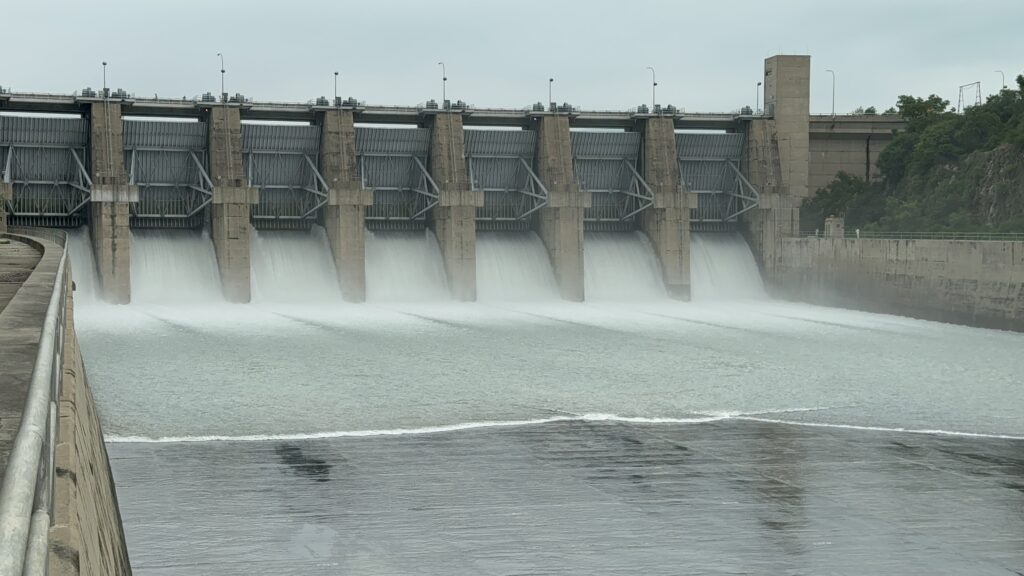
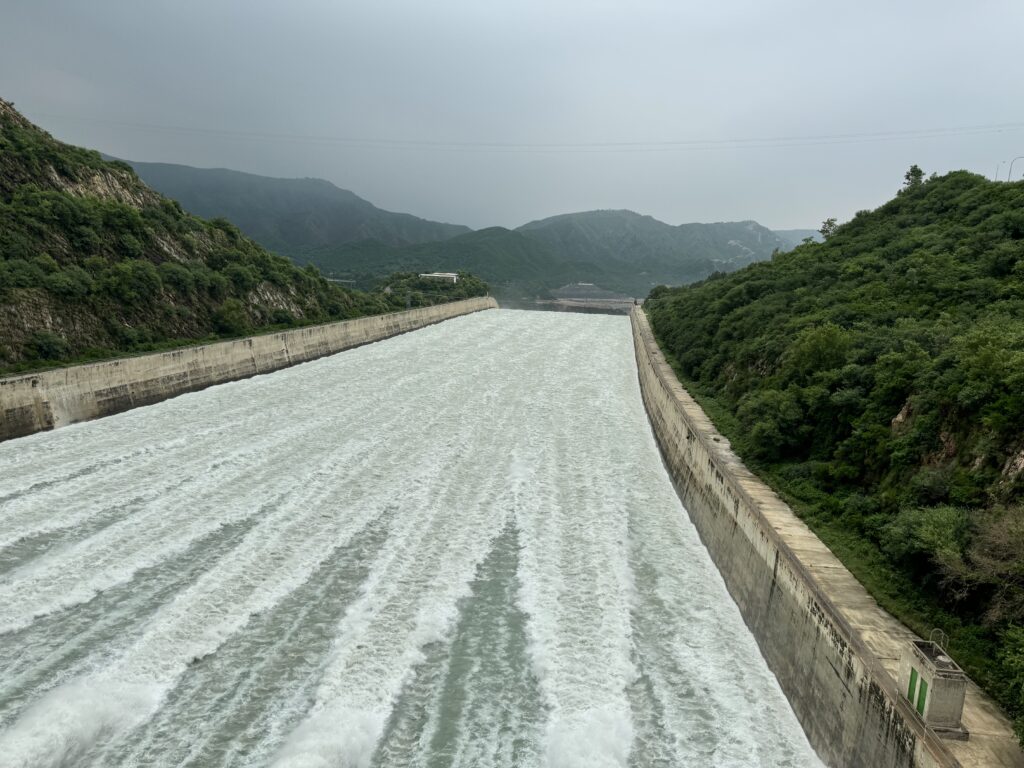
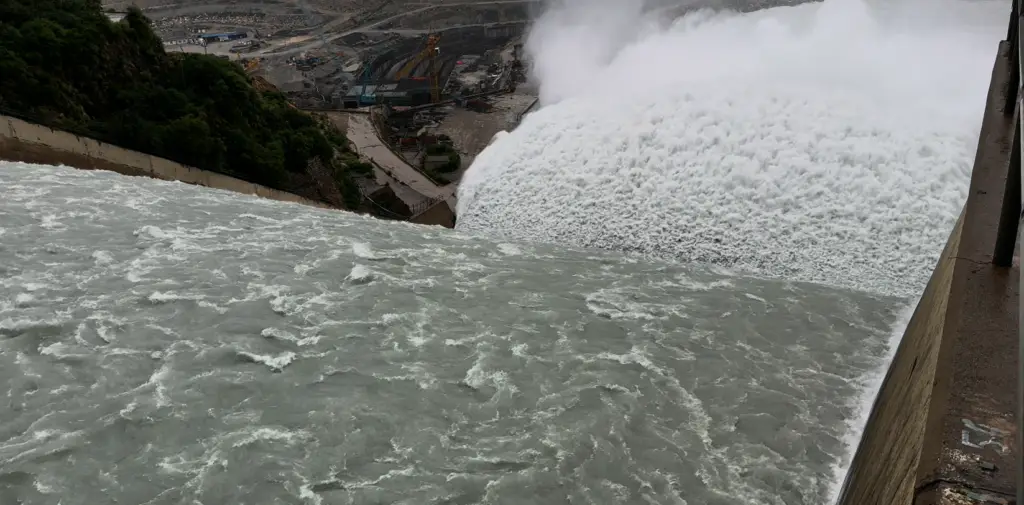
Tarbela Dam incorporates a sophisticated spillway system designed to safely discharge excess floodwater during periods of exceptionally high river flow. The spillways prevent overtopping of the dam, which is one of the most serious risks for any embankment structure.
During major flood events, spillway gates are opened to release thousands of cubic meters of water per second. As the water accelerates down the spillway, it reaches very high velocities before entering specially designed energy dissipation structures that reduce flow energy and protect the downstream riverbed from erosion.
Irrigation Benefits
The primary purpose of Tarbela Dam is water storage for irrigation. Water released from the reservoir flows through the Indus River and an extensive network of canals that irrigate millions of hectares of agricultural land across Punjab and Sindh. The dam supports the production of wheat, rice, cotton, sugarcane, maize, fruits, and vegetables, making it a vital contributor to Pakistan’s food security and rural economy.
Flood Management
Tarbela Dam also plays an important role in reducing flood risks. During periods of heavy rainfall and rapid glacier melt, the reservoir temporarily stores large volumes of incoming water, reducing downstream flood peaks. Controlled releases through spillways and power tunnels help manage floodwaters while protecting downstream communities, infrastructure, and agricultural lands.
Sedimentation Challenges
One of the major engineering challenges facing Tarbela Dam is sedimentation. The Indus River carries enormous quantities of silt, sand, and gravel from the Himalayan mountain ranges. Over decades, these sediments accumulate in the reservoir, gradually reducing its storage capacity.
Sedimentation affects irrigation storage, hydropower efficiency, and long-term reservoir performance. Engineers continuously monitor sediment deposition using hydrographic surveys, sediment sampling, and bathymetric mapping. Various operational strategies are employed to minimize sediment impacts and extend the reservoir’s useful life.
Safety Monitoring
The structural safety of Tarbela Dam is ensured through a comprehensive monitoring program. Engineers regularly inspect the dam using advanced instrumentation that measures seepage, uplift pressure, internal movements, settlement, pore water pressure, and seismic activity. Continuous monitoring allows early detection of potential issues and ensures the dam remains safe under both normal operating conditions and extreme events such as floods or earthquakes.
Environmental and Economic Importance
Tarbela Dam has transformed Pakistan’s economy by providing renewable electricity, reliable irrigation water, and improved flood management. Hydropower generated at Tarbela reduces greenhouse gas emissions compared to thermal power plants and supports sustainable development. The project has also contributed to employment, industrial growth, and regional infrastructure development.
Although reservoir construction displaced local communities and altered river ecosystems, ongoing efforts focus on balancing environmental conservation with the country’s growing water and energy needs.
Recent Expansion Projects
To meet increasing electricity demand, the Government of Pakistan and WAPDA have undertaken multiple extension projects at Tarbela. Additional tunnels and generating units have significantly increased the installed capacity without constructing a new dam. The Fourth and Fifth Extension Projects added modern turbines and generators, while the Sixth Extension Project is expected to further enhance power generation, reinforcing Tarbela’s position as Pakistan’s most important hydropower facility.
Interesting Facts
- Tarbela Dam is the largest earth-filled dam in Pakistan.
- It is among the largest embankment dams in the world.
- Construction started in 1968 and was completed in 1976.
- It is built on the Indus River in Haripur District, Khyber Pakhtunkhwa.
- The dam is approximately 143 meters high and 2,743 meters long.
- Its installed hydropower capacity is approximately 6,418 MW following multiple expansion projects.
- The reservoir stretches nearly 100 kilometers upstream.
- Millions of hectares of farmland depend on water released from Tarbela.
- The project is owned and operated by the Water and Power Development Authority (WAPDA).
Conclusion
Tarbela Dam is more than a massive engineering structure—it is the backbone of Pakistan’s water and energy system. For nearly five decades, it has supplied renewable electricity, supported agriculture, reduced flood risks, and strengthened the country’s economic development. Despite ongoing challenges such as sedimentation and growing water demand, continuous modernization and expansion projects ensure that Tarbela Dam will remain one of Pakistan’s most valuable national assets for generations to come.