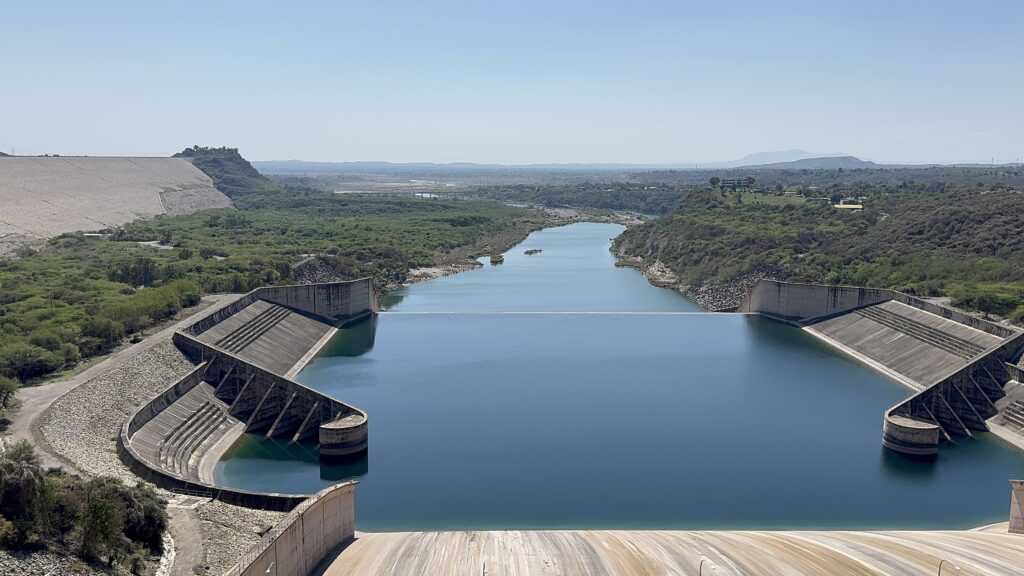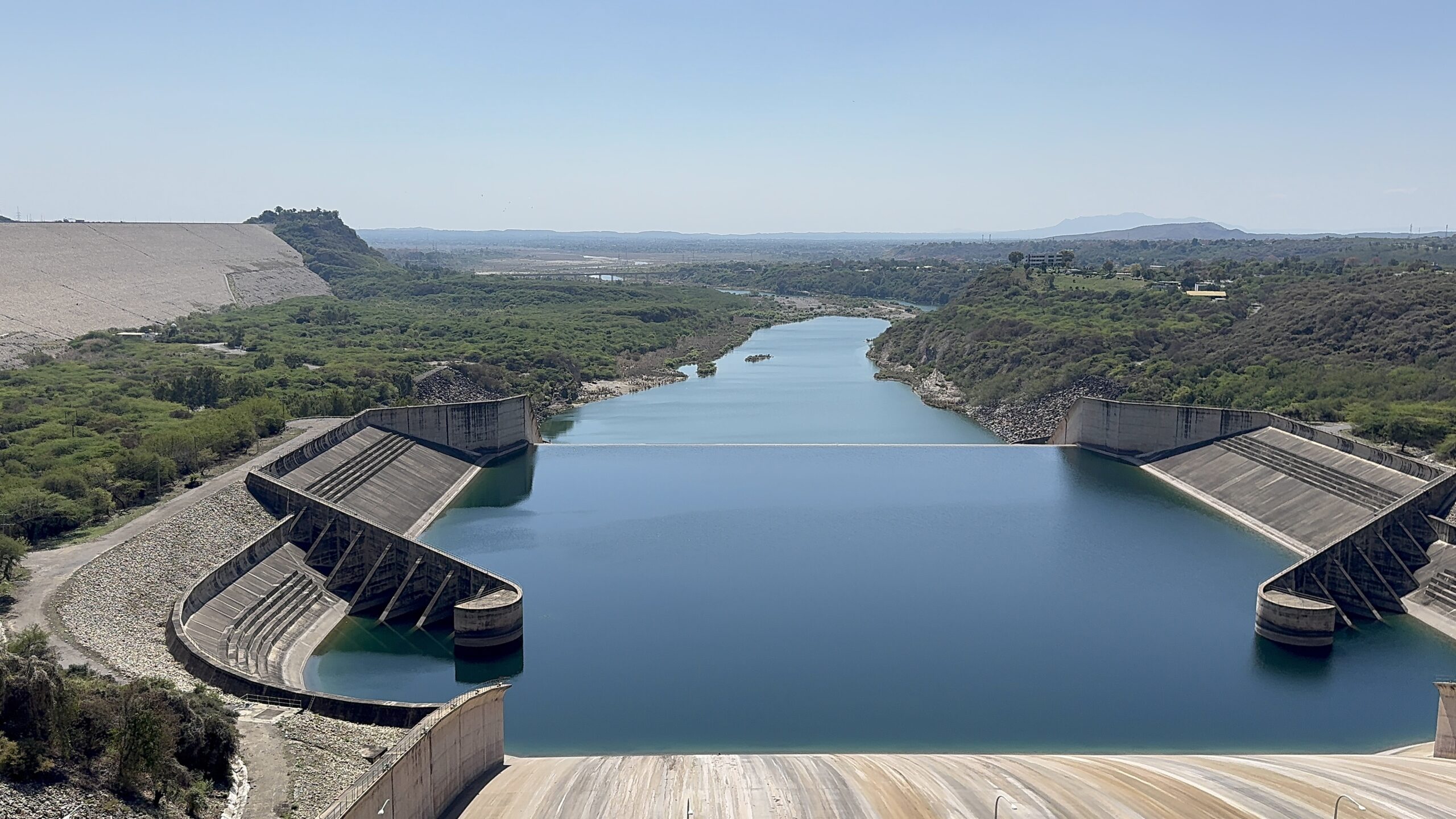
Unlike solar or wind, hydropower can increase or decrease output within minutes, which makes it one of the grid’s most valuable balancing tools. Here’s how that actually works on a day-to-day basis.
Step 1: The Grid Operator Sends a Demand Signal
Regional grid operators (such as an ISO or RTO in the U.S.) continuously forecast electricity demand and dispatch generation sources to match it. Hydropower facilities that participate in these markets receive dispatch instructions telling them how much power to produce at any given time.
Step 2: The Plant Checks Available Capacity
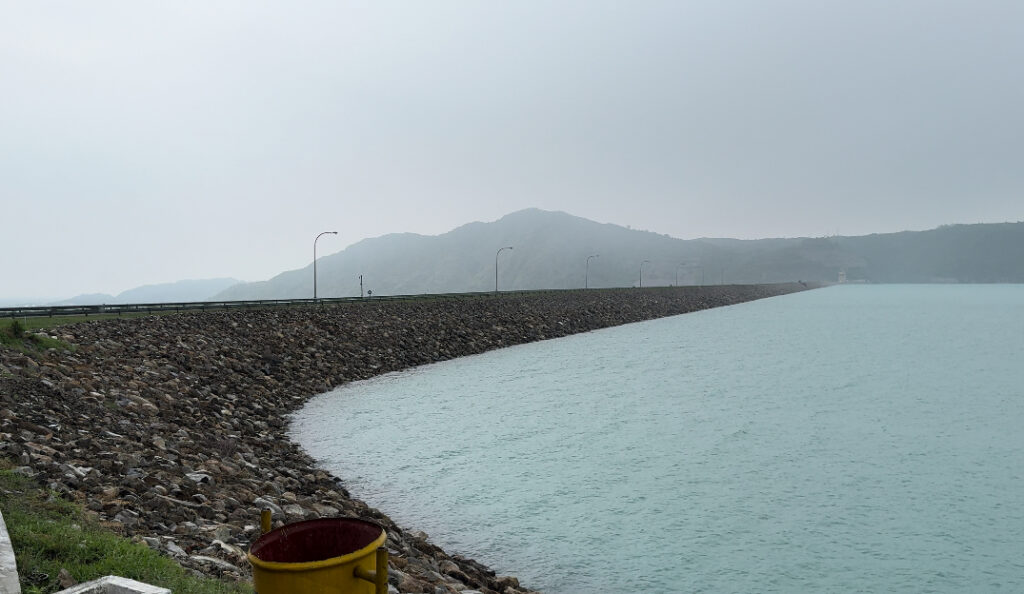
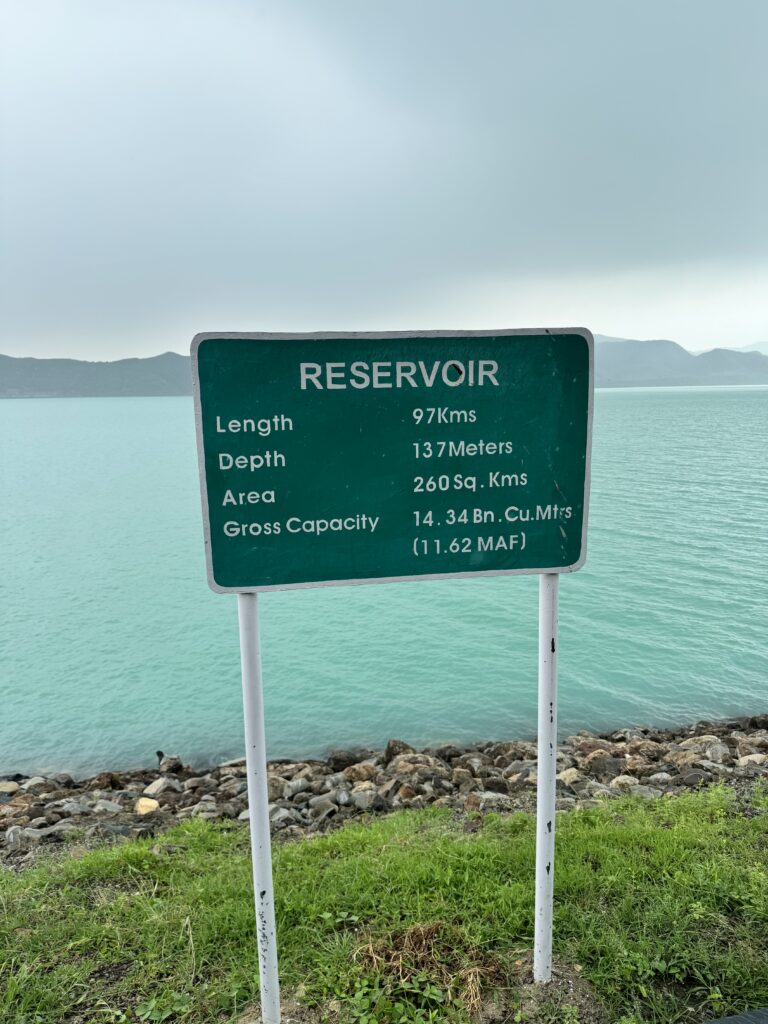
Before ramping up, operators confirm that reservoir levels, turbine availability, and environmental release requirements allow for the requested output. A dam can’t generate more power than its available water and equipment allow, regardless of grid demand.
Step 3: Turbines Ramp Up or Down
To increase output, operators open wicket gates further, allowing more water through the turbines, which increases rotational speed and generator output. To decrease output, gates close, reducing flow. This adjustment can typically happen in a matter of minutes — far faster than starting up a thermal power plant.
Step 4: Multiple Units Are Sequenced
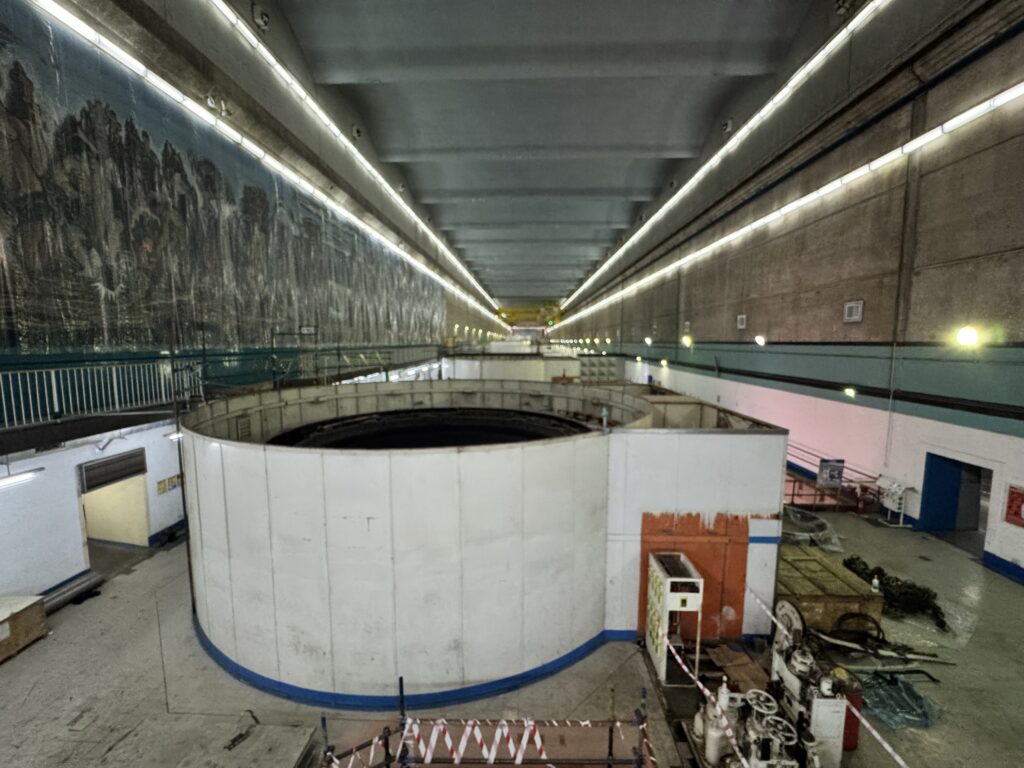
Larger dams have multiple turbine-generator units. Rather than running every unit at partial capacity, operators often bring units online or offline individually, since turbines usually run most efficiently near their rated capacity.
Step 5: Frequency Response Happens Automatically
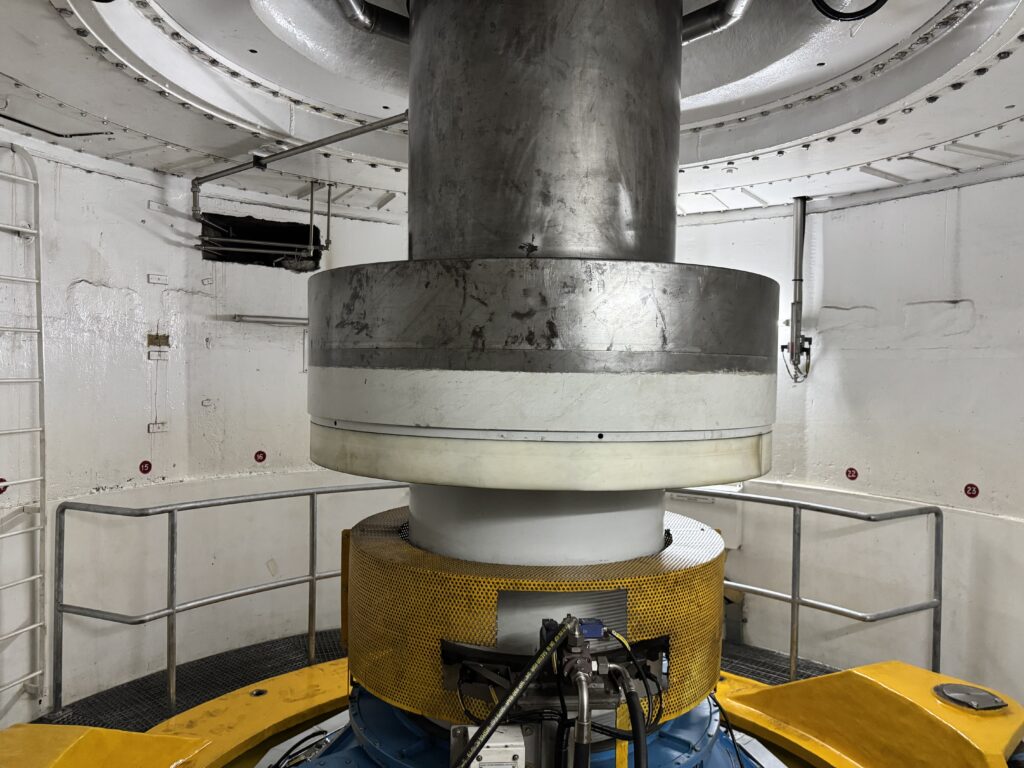
Beyond scheduled dispatch, many hydropower units also provide automatic frequency response — tiny, continuous adjustments that help keep the grid’s frequency stable (60 Hz in North America, 50 Hz in much of the rest of the world) as demand fluctuates second to second.
Step 6: Peak Shaving and Load Following
Hydropower is frequently used for “peak shaving” — running harder during high-demand hours like weekday evenings — and “load following,” where output tracks demand changes throughout the day. This is one reason hydropower reservoirs sometimes see daily level fluctuations even without any rain or snowmelt.
Step 7: Coordination With Other Resources
As more variable renewables like wind and solar join the grid, hydropower increasingly acts as a flexible backstop — ramping up when solar output drops in the evening, or holding back when renewable output is high. This coordination is typically managed through the same regional dispatch systems used for standard grid balancing.
Why This Flexibility Matters
Hydropower’s ability to respond quickly to grid signals makes it a key tool for maintaining reliability, especially as the energy mix shifts toward more weather-dependent generation sources.