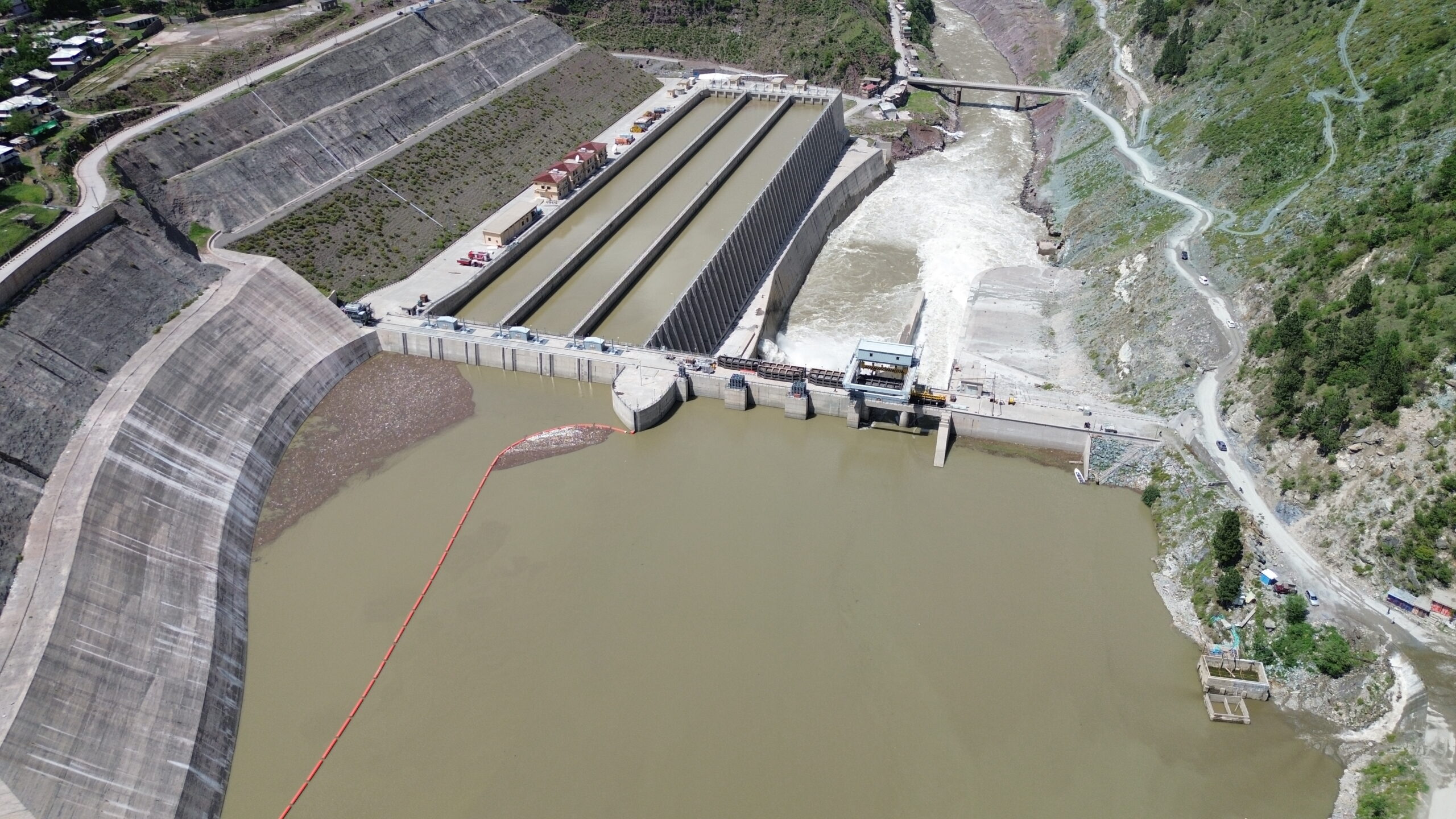
The Neelum Jhelum Hydropower Project (NJHPP) is one of Pakistan’s largest and most technically advanced renewable energy projects. Located in the scenic mountains of Azad Jammu & Kashmir (AJK), this run-of-the-river hydropower scheme diverts water from the Neelum River through an extensive underground tunnel system before generating electricity at an underground powerhouse near Chattar Kalas and releasing the water into the Jhelum River. The project has an installed capacity of 969 MW, making it one of the country’s most important clean energy sources. (Water and Power Development Authority)
Project Overview
| Feature | Details |
|---|---|
| Project Name | Neelum Jhelum Hydropower Project (NJHPP) |
| Country | Pakistan |
| Location | Muzaffarabad, Azad Jammu & Kashmir |
| River | Neelum River |
| Project Type | Run-of-the-River Hydropower |
| Installed Capacity | 969 MW |
| Number of Units | 4 × 242.25 MW Francis Turbines |
| Gross Head | 420 meters |
| Design Discharge | 280 m³/s |
| Annual Energy Production | Approximately 5.15 Billion kWh |
| Commercial Operation | 2018 |
| Owner | WAPDA |
| Operator | Neelum Jhelum Hydropower Company (NJHPC) |
Project Location
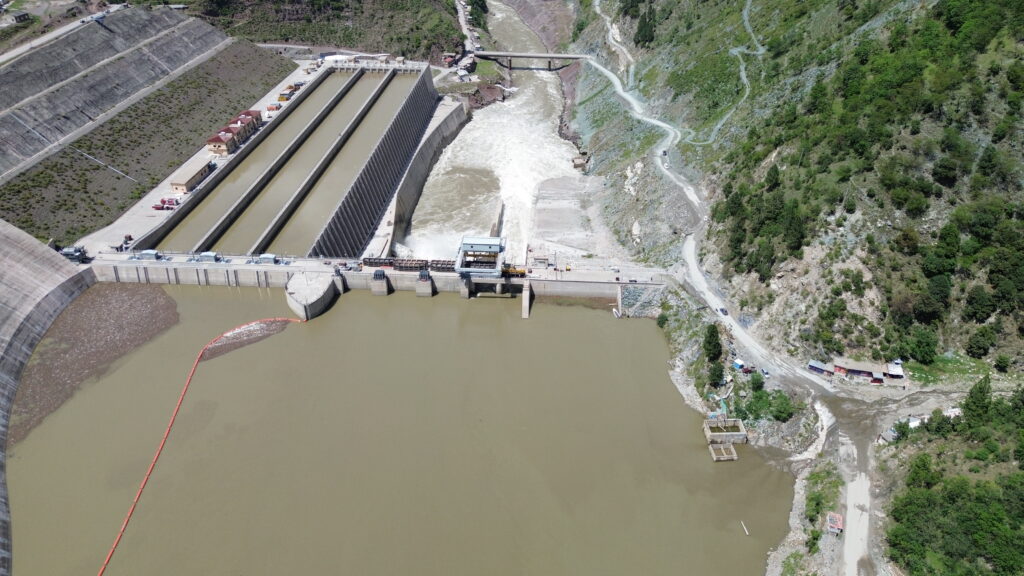
The project begins at Nauseri, around 41 km upstream of Muzaffarabad, where a composite diversion dam is constructed across the Neelum River. Water is diverted into long underground tunnels that carry it beneath mountains before reaching the underground powerhouse near Chattar Kalas. After electricity generation, water is discharged into the Jhelum River. (Ministry of Water Resources)
Why Was the Project Built?
Pakistan faces increasing electricity demand and depends heavily on imported fossil fuels. The Neelum Jhelum Project was developed to:
- Generate renewable electricity
- Reduce dependence on imported fuel
- Improve national energy security
- Utilize Pakistan’s hydropower potential
- Reduce greenhouse gas emissions
- Supply affordable electricity to the national grid
Project History
The idea of utilizing the Neelum River was developed decades ago because of the river’s steep gradient and enormous hydropower potential.
Major milestones include:
- Initial planning and feasibility studies
- Detailed engineering investigations
- Construction commencement in 2008
- Tunnel excavation using Tunnel Boring Machines (TBMs)
- Completion of underground powerhouse
- Reservoir filling in 2018
- Commissioning of all four generating units in 2018 (Neelum Jhelum Hydropower Company)
How the Project Works
The Neelum Jhelum Project is a run-of-the-river scheme, meaning it stores only a relatively small volume of water compared to large storage dams.
Step 1 – Diversion Dam
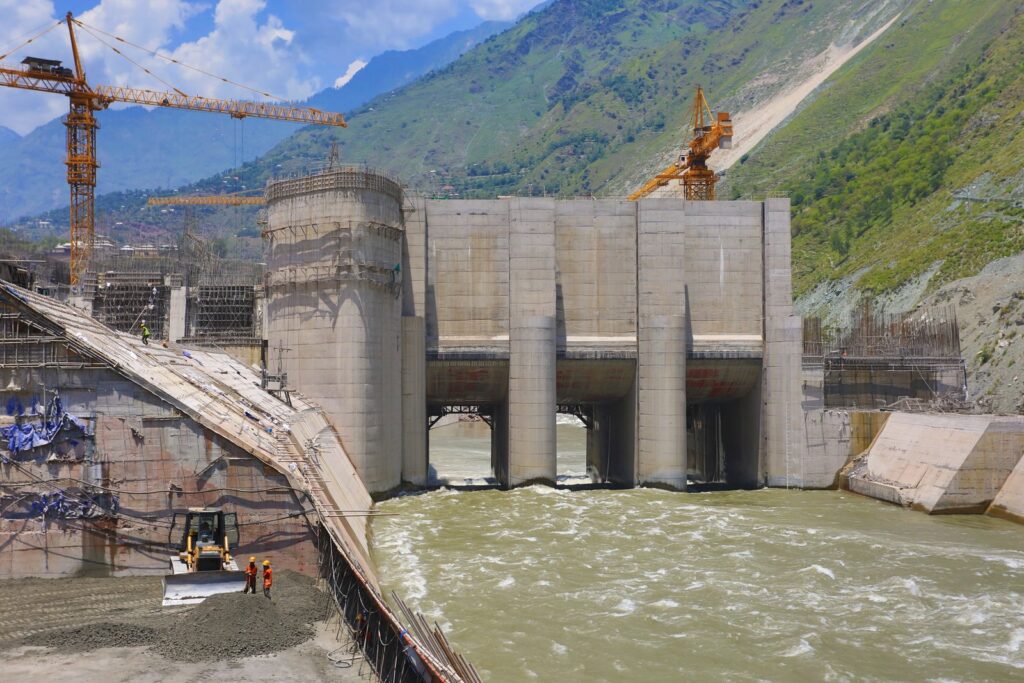
Water from the Neelum River enters the intake through specially designed gates.
Step 2 – Intake Structure
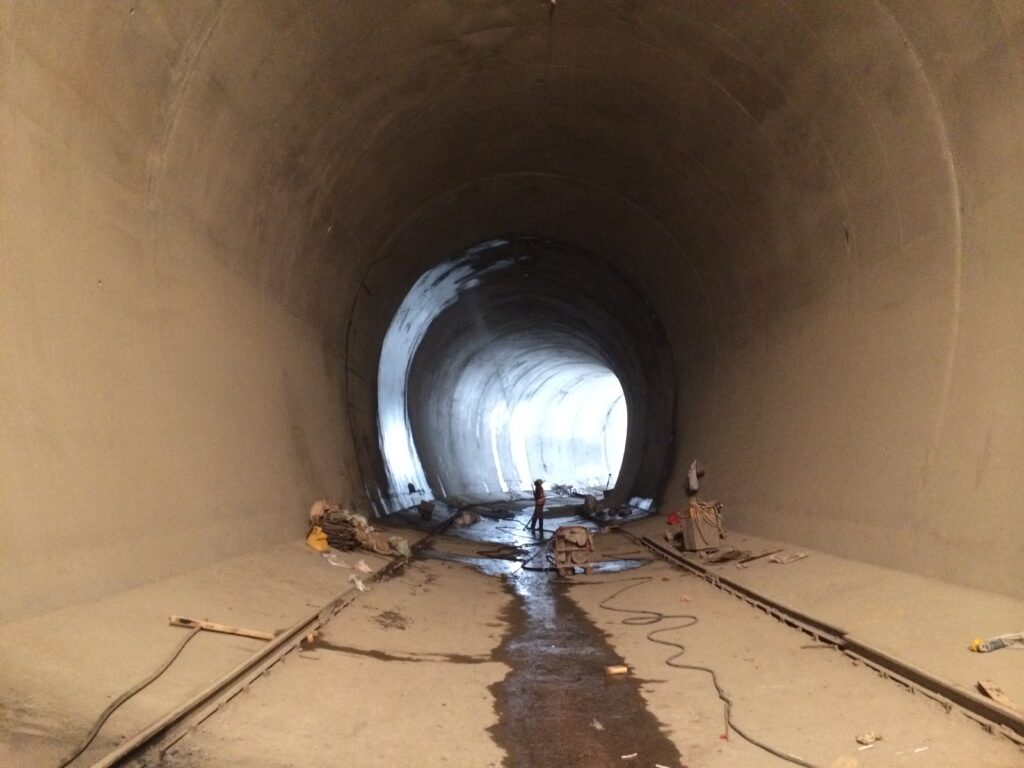
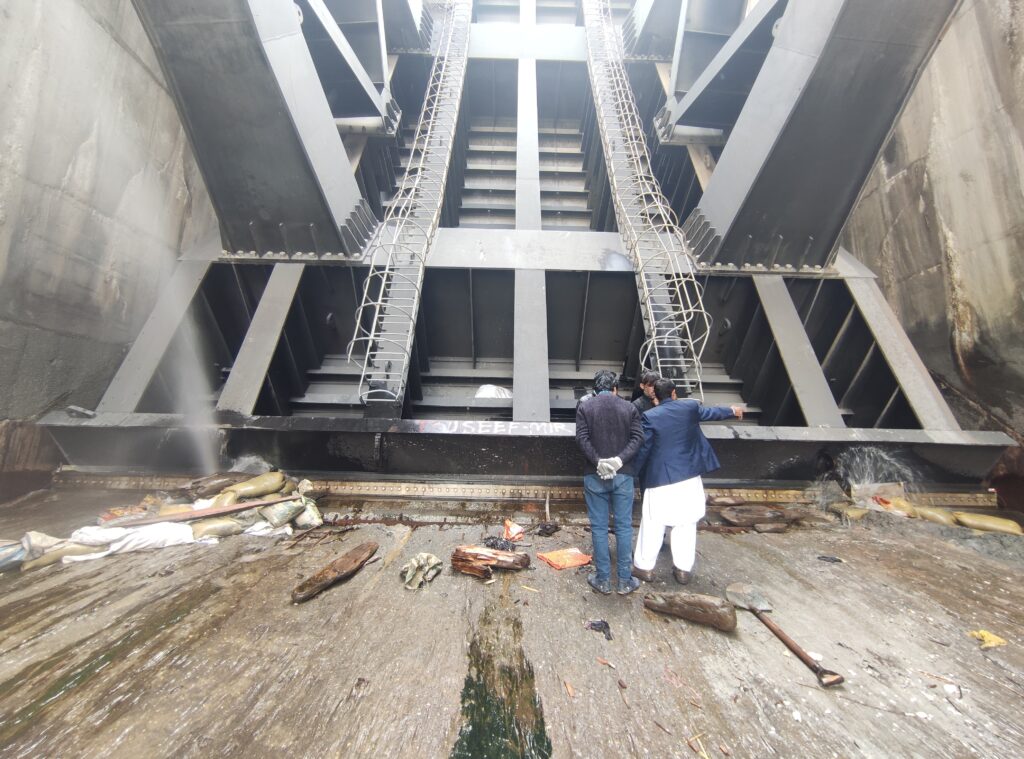
Trash racks remove floating debris before water enters the tunnel system.
Step 3 – Headrace Tunnel
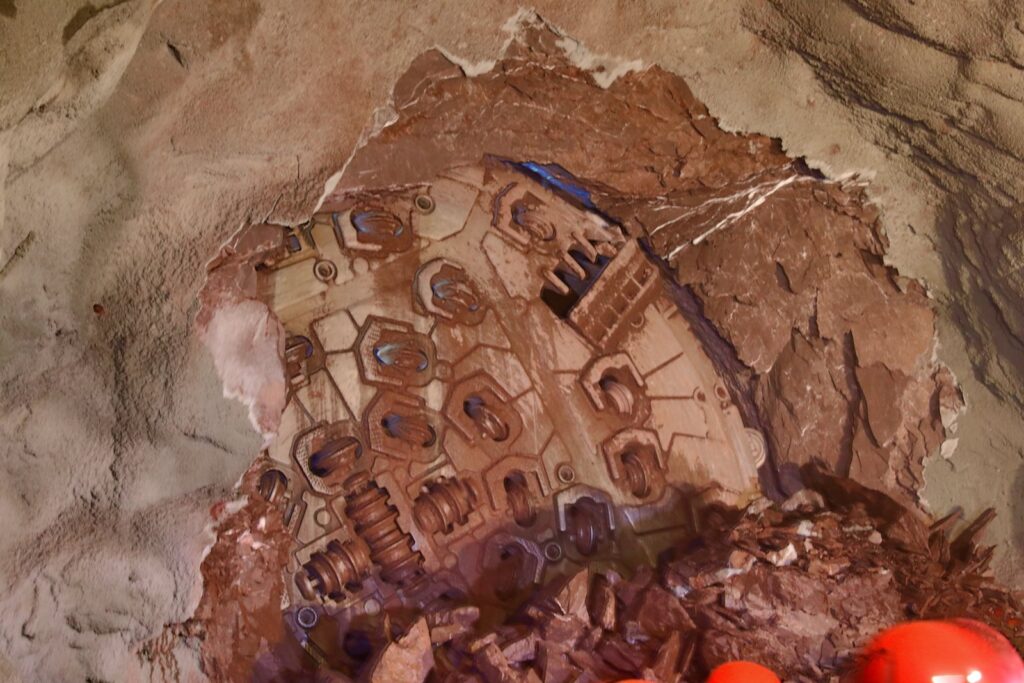
Water travels nearly 48 km through underground tunnels beneath the mountains.
Step 4 – Surge Chamber
The surge chamber protects the tunnel system against pressure fluctuations caused by rapid turbine operation.
Step 5 – Pressure Shafts
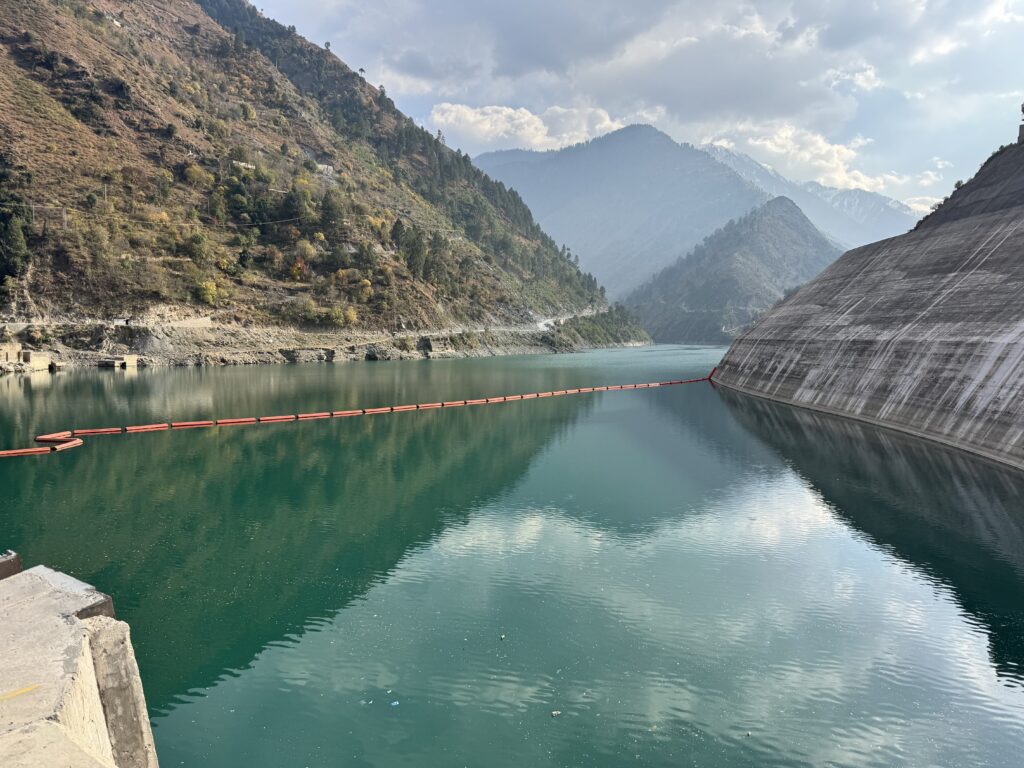
Water flows downward through steel-lined pressure shafts toward the turbines.
Step 6 – Underground Powerhouse
The high-pressure water spins four Francis turbines connected to generators.
Step 7 – Tailrace Tunnel
Water exits the turbines and returns to the Jhelum River through the tailrace tunnel. (Neelum Jhelum Hydropower Company)
Major Structures
1. Composite Dam
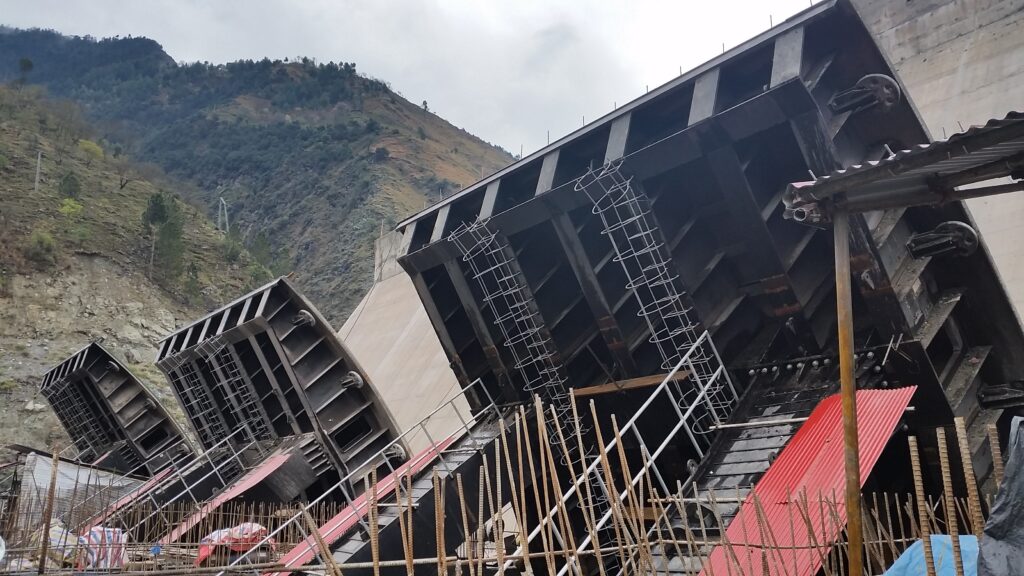
- Gravity and rockfill construction
- Approximately 60 meters high
- Around 160 meters long
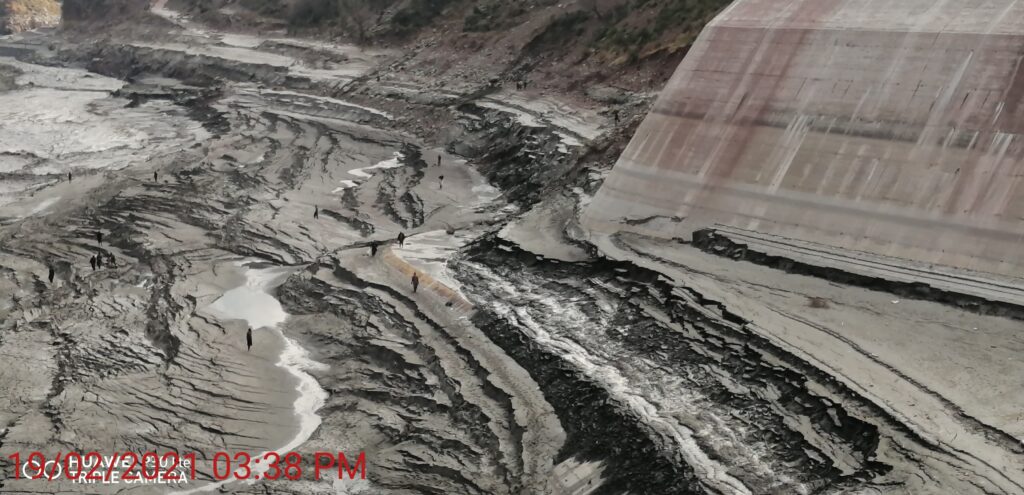
- Designed primarily for water diversion rather than long-term storage. (Water and Power Development Authority)
2. Intake Structure
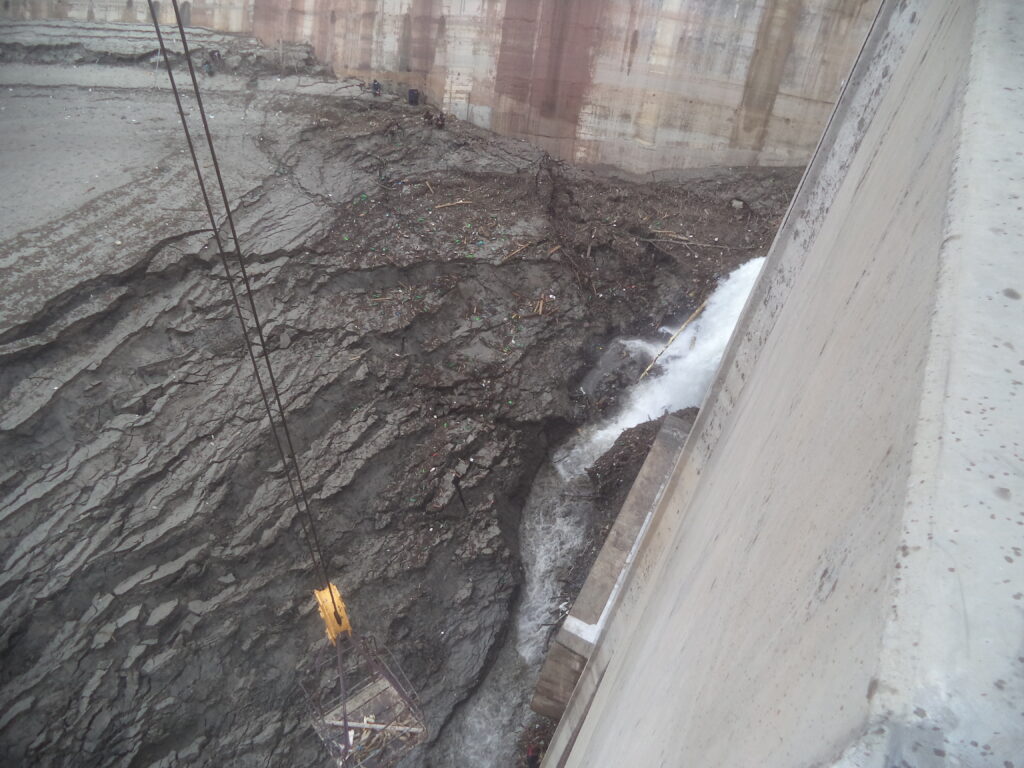
The intake regulates river flow entering the tunnel system while preventing logs, debris, and sediment from damaging downstream equipment.
3. Headrace Tunnel
One of the project’s greatest engineering achievements.
Features include:
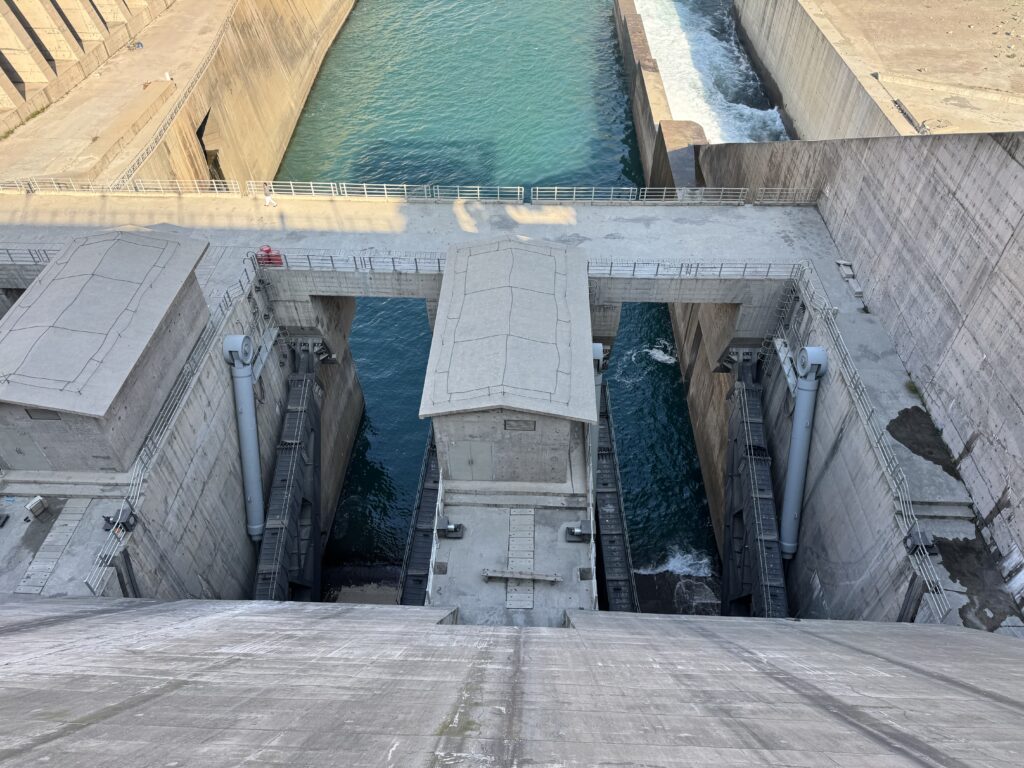
- Twin tunnels
- Nearly 20 km each
- Additional single tunnel sections
- Total waterway exceeding 50 km when all tunnel components are included. (Neelum Jhelum Hydropower Company)
4. Surge Chamber
The surge chamber absorbs hydraulic pressure changes caused by sudden turbine shutdowns or load variations.
5. Underground Powerhouse
The powerhouse is located deep inside the mountain.
It contains:
- Four Francis turbines
- Four generators
- Main transformers
- Control systems
- Cranes
- Auxiliary equipment
6. Tailrace Tunnel
After generating electricity, water flows back into the Jhelum River through a tunnel over 3 km long. (Neelum Jhelum Hydropower Company)
Electricity Generation Process
- River water enters intake.
- Water travels through tunnels.
- High hydraulic head creates pressure.
- Pressure rotates Francis turbines.
- Turbines drive generators.
- Electricity is transmitted to the national grid.
- Water returns to the river.
Turbines
The project uses:
- Francis Turbines
- Four generating units
- Each rated at 242.25 MW
- Total installed capacity 969 MW (Water and Power Development Authority)
Transmission System
Generated electricity is stepped up through transformers and transmitted via high-voltage transmission lines to Pakistan’s National Grid, supporting homes, industries, and businesses across the country.
Environmental Benefits
Compared with thermal power plants, the project:
- Produces renewable electricity
- Emits very low greenhouse gases during operation
- Reduces fossil fuel imports
- Supports Pakistan’s clean energy transition
Engineering Challenges
Construction involved numerous technical difficulties, including:
- Complex Himalayan geology
- Fault zones
- High groundwater inflows
- Long tunnel excavation
- Deep underground construction
- Remote mountainous terrain
- Transporting heavy machinery
Despite these challenges, the project was completed after years of intensive engineering work. (Neelum Jhelum Hydropower Company)
Sediment Management
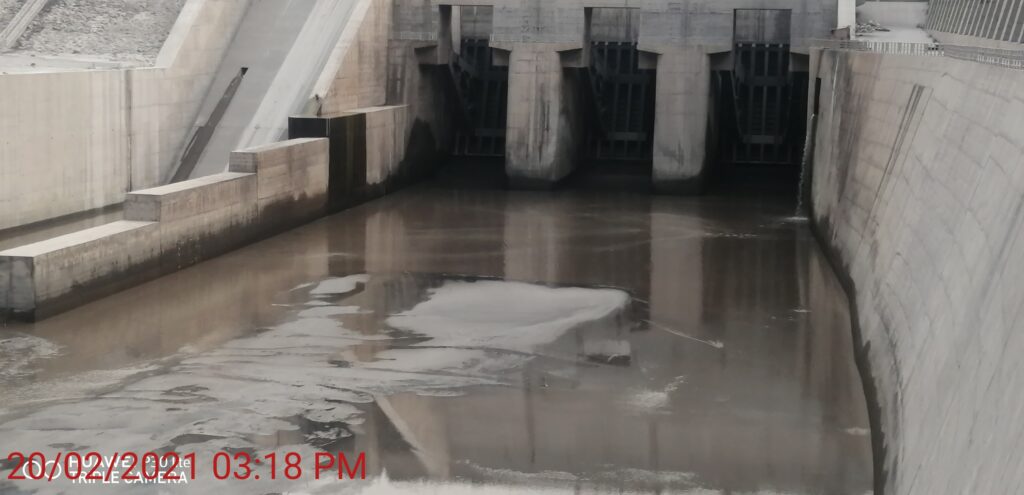
Since the Neelum River carries significant sediment, sediment management is essential for:
- Protecting turbines
- Preventing tunnel abrasion
- Maintaining generation efficiency
- Extending equipment life
Operations include controlled flushing, monitoring sediment concentrations, and maintenance of hydraulic structures.
Economic Importance
The project:
- Generates billions of kilowatt-hours annually
- Reduces electricity generation costs
- Saves foreign exchange by lowering fuel imports
- Strengthens Pakistan’s energy infrastructure
- Creates employment opportunities during construction and operation
Tourism Potential
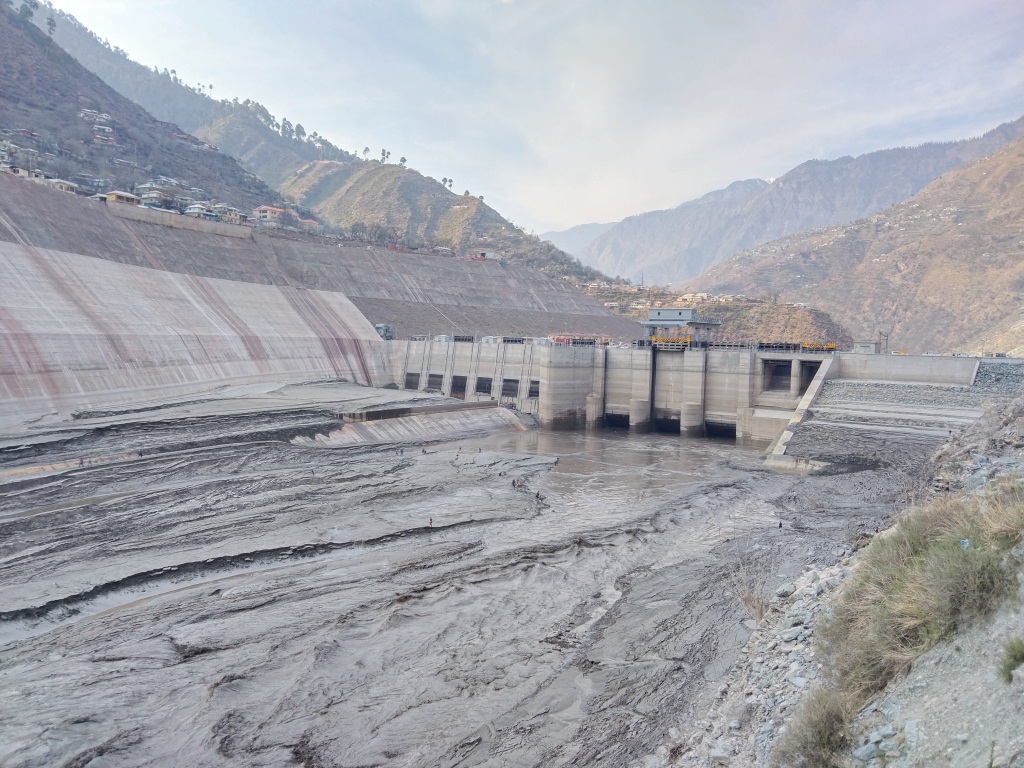
The project has become a popular destination for engineering students, researchers, photographers, and tourists because of its:
- Scenic mountain setting
- Massive dam
- Underground engineering
- Spillway and intake structures
- Drone photography opportunities
Interesting Facts
- One of Pakistan’s largest underground hydropower stations.
- Water travels through an extensive underground tunnel network before reaching the turbines.
- Generates approximately 5.15 billion kWh of electricity annually under design conditions.
- Uses a gross hydraulic head of 420 meters, enabling high-efficiency power generation. (Water and Power Development Authority)
Conclusion
The Neelum Jhelum Hydropower Project represents one of Pakistan’s most ambitious hydropower developments. Combining advanced tunnel engineering, underground power generation, and renewable energy production, it plays a vital role in meeting the country’s electricity demand while reducing dependence on fossil fuels. Its sophisticated design, challenging construction environment, and strategic importance make it a landmark achievement in Pakistan’s hydropower sector.