Author: aryan4039

  • The Problem of Massive Floating Debris in Dam Reservoirs

    The Problem of Massive Floating Debris in Dam Reservoirs

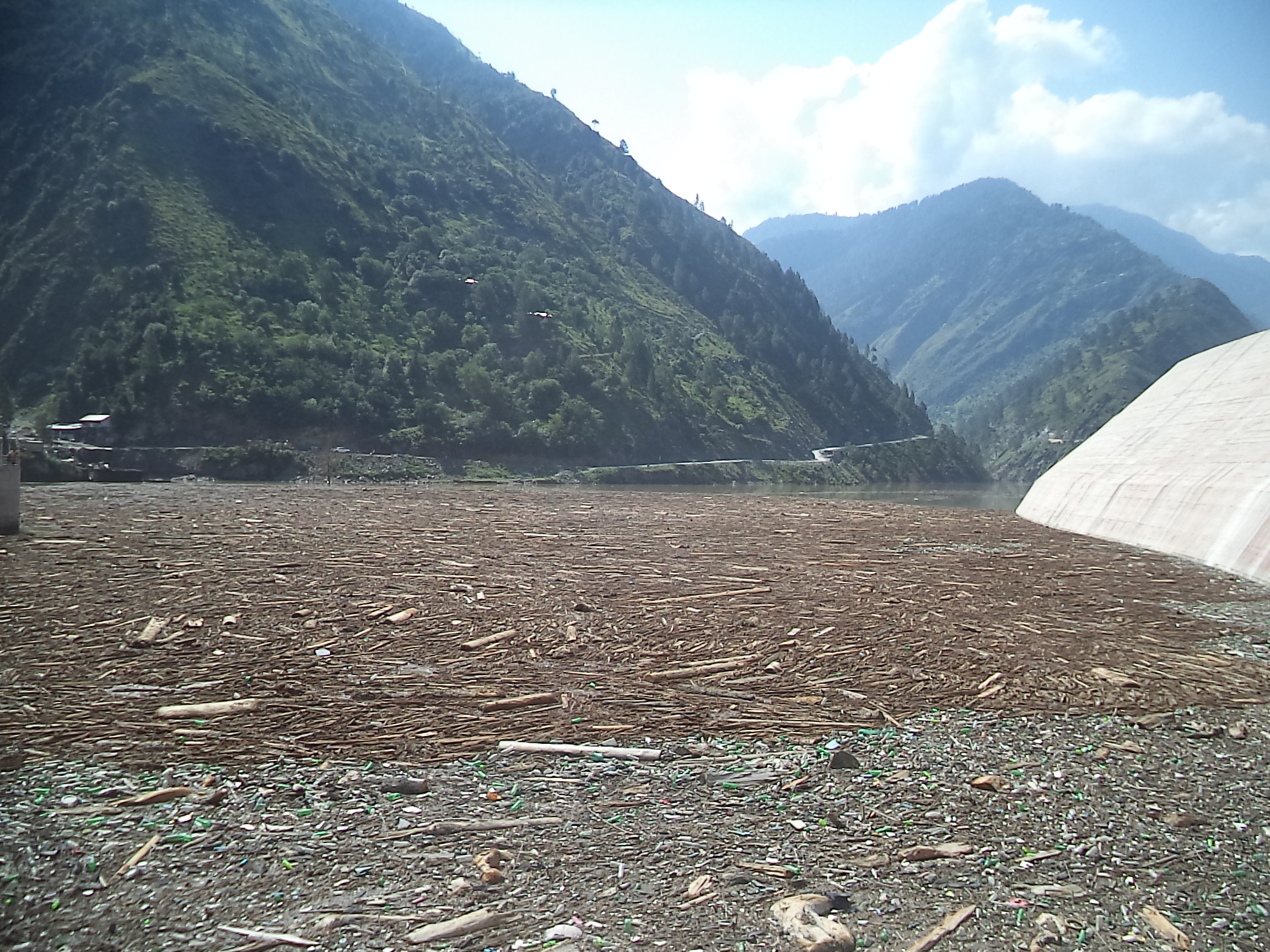
    Dams play a crucial role in managing water resources, generating hydroelectric power, and supporting agricultural irrigation. However, one persistent challenge faced by dam operators is the accumulation of massive floating debris in the reservoirs. This debris often consists of wooden logs, branches, and other natural or man-made materials carried downstream by rivers.

    Causes of Floating Debris in Reservoirs

    1. Deforestation and Logging: Areas upstream of dams are often subject to deforestation or logging activities. Heavy rains or floods can wash down tree trunks, branches, and wood scraps into rivers, eventually leading to reservoirs.
    2. Natural Events: Landslides, floods, and seasonal changes can contribute to large amounts of vegetation and debris entering river systems.
    3. Human Activities: Improper waste disposal and human negligence also add to the debris problem. Plastic waste and other pollutants often accompany the wooden logs, exacerbating environmental concerns.

    Impacts of Floating Debris

    1. Operational Challenges: The accumulation of debris can obstruct dam intakes, spillways, and turbines, reducing efficiency and increasing maintenance costs.
    2. Environmental Concerns: Floating debris, especially if mixed with plastics or other non-biodegradable materials, can harm aquatic ecosystems, disrupt fish habitats, and reduce water quality.
    3. Recreational Issues: Reservoirs often serve as popular destinations for boating, fishing, and tourism. Debris-filled waters deter visitors and pose safety hazards.
    4. Flood Risk: Debris can block water flow and create bottlenecks, increasing the risk of flooding during heavy rainfall.

    Solutions to Manage Floating Debris

    1. Debris Booms: Installing floating barriers or booms can help contain debris before it reaches critical areas of the dam.
    2. Regular Monitoring and Cleanup: Scheduled inspections and cleanup operations can prevent the accumulation of large debris piles.
    3. Community Awareness: Educating upstream communities about responsible waste management and the importance of forest conservation can significantly reduce the debris load.
    4. Innovative Technologies: Using automated debris collection systems or incorporating sensors to monitor debris levels can streamline the management process.
    5. Recycling and Reuse: Harvested wooden debris can be repurposed for construction, energy production, or other practical uses, turning a challenge into an opportunity.
  • Inside the Spillway: Radial Gate Opened for Major Repair

    Inside the Spillway: Radial Gate Opened for Major Repair

    Introduction Dams play a crucial role in water management, hydroelectric power generation, and flood control. However, maintaining their efficiency requires regular inspection and repairs. Recently, one of the radial gates of our dam spillway was opened for an essential maintenance operation, revealing an inside look at the massive steel structure that controls water flow.

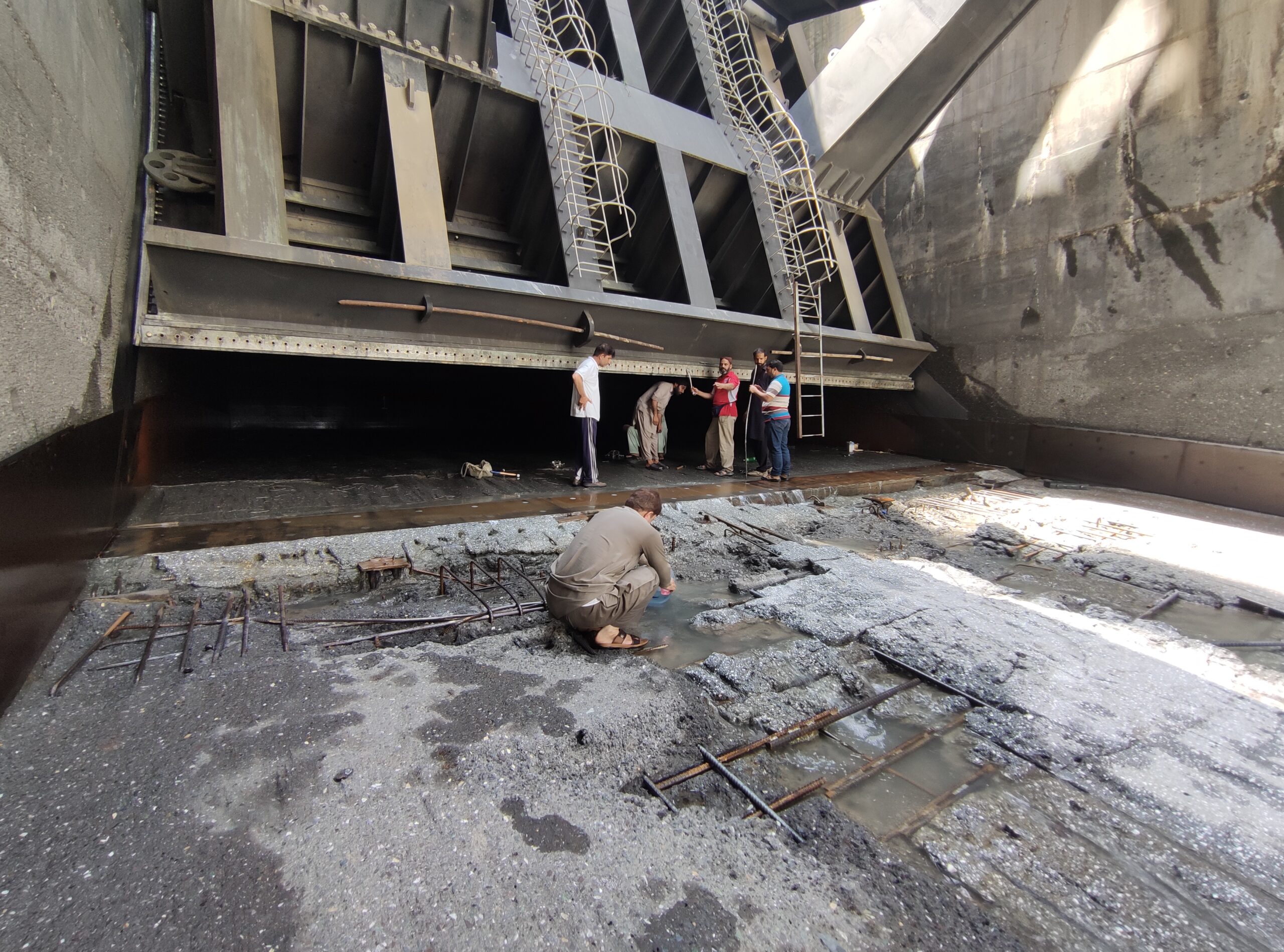
    Why the Repair Was Needed Over time, constant exposure to high-pressure water, sediment abrasion, and structural loads can cause wear and tear on spillway gates. In this case, engineers identified surface corrosion, concrete damage at the spillway apron, and minor leakage, necessitating urgent rehabilitation.

    The Repair Process

    1. Gate Deactivation: Before any work could begin, the radial gate was safely deactivated, with upstream water levels carefully managed to prevent uncontrolled releases.
    2. Structural Inspection: A team of engineers and hydropower specialists conducted a thorough structural assessment, checking for rust accumulation, seal damage, and mechanical integrity.
    3. Concrete Restoration: The eroded spillway apron, visible in the images, needed reinforcement. Damaged sections were cut out, and new high-strength concrete was poured to restore stability.
    4. Gate Sealing & Lubrication: The radial gate’s seals were replaced to prevent leakage, and moving parts were lubricated to ensure smooth operation.
    5. Final Testing: Once repairs were complete, the gate was tested multiple times to ensure it could operate seamlessly under load conditions.

    Challenges Faced Working in a spillway presents multiple challenges, including limited accessibility, the presence of residual water, and the need for precision engineering. Heavy machinery was brought in to assist with concrete repairs, while divers and technicians worked closely to examine submerged areas.

    Impact on Hydropower & Water Management A malfunctioning spillway gate can lead to inefficient reservoir operation, unplanned water releases, and even safety concerns. This repair not only ensures the continued reliability of the hydropower plant but also improves flood management by guaranteeing controlled water discharge during high inflows.

    Conclusion The opening of a radial spillway gate for maintenance is a rare and challenging event, offering valuable insights into dam engineering. These efforts help sustain the longevity and efficiency of the dam, ensuring optimal water resource management for years to come.