Author: aryan4039

  • Spillway of Tarbela Dam – Gateway of Mighty Indus Waters

    Spillway of Tarbela Dam – Gateway of Mighty Indus Waters

    Largest Dam Spillway 7 Gates Opening

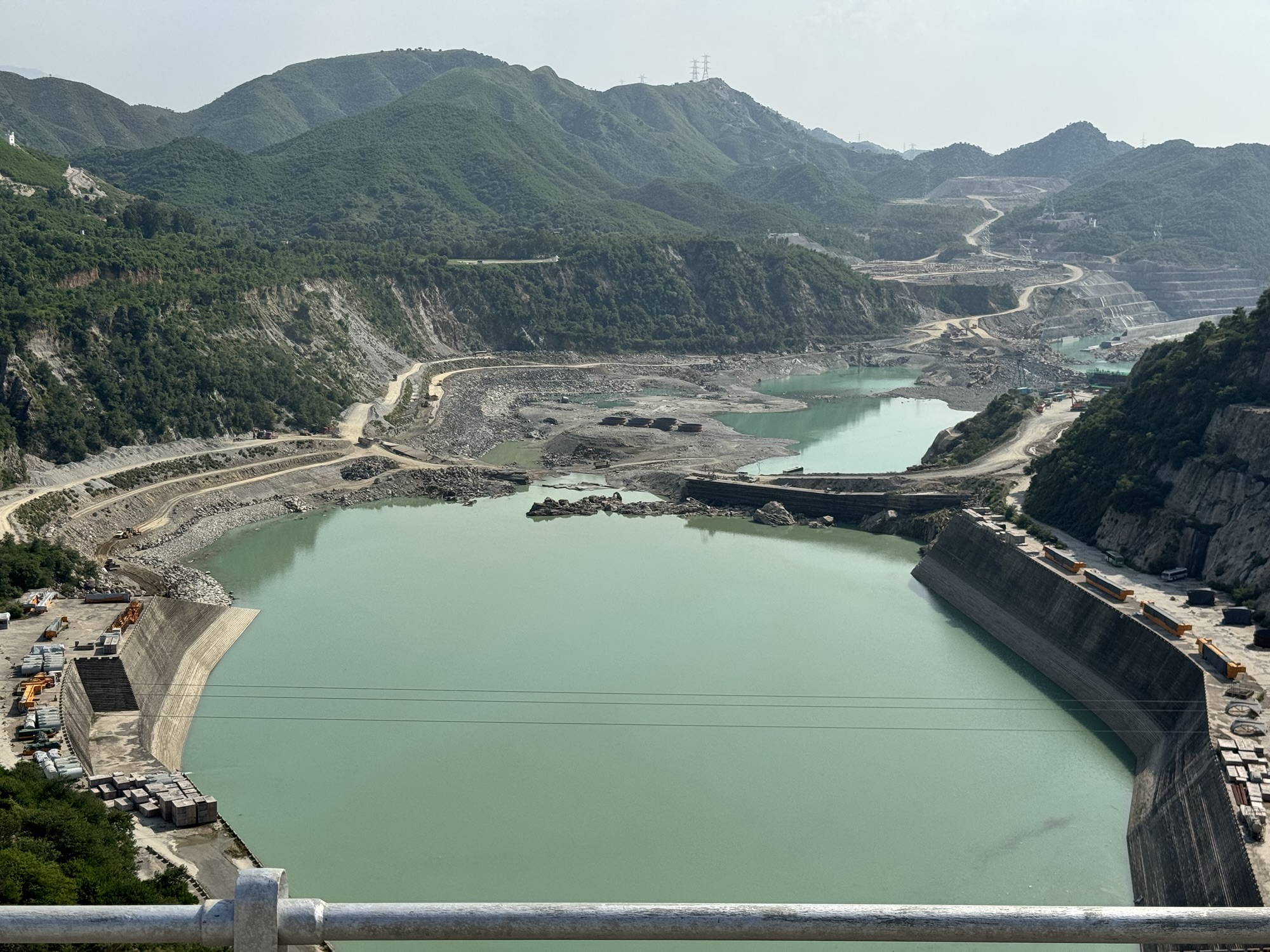
    Tarbela Dam, spanning the powerful Indus River in Pakistan, stands as one of the world’s largest earth-filled dams. Its spillway plays a vital role in flood management, structure safety, and hydropower efficiency.

    Watch the Spillway in Action

    Above is a dramatic video titled “Largest Dam Spillway 7 Gates Opening” showing the spillway gates in operation—an impressive engineering spectacle.

    What is a Spillway?

    A spillway is a controlled outlet on a dam used to safely channel excess water downstream, preventing structural stress and overtopping. At Tarbela, this is achieved through gated service spillways, built as durable concrete passages to handle immense water pressure during floods.

    Spillway Design at Tarbela Dam

    Type: Service spillway featuring multiple gated openings. Structure: Heavy-duty concrete chutes that regulate and direct water flow. Capacity: Built to discharge millions of cubic feet per second during peak water levels.

    Importance of Tarbela’s Spillway

    Function

    Description

    Flood Control

    Safely releases excess water to protect downstream communities.

    Dam Safety

    Prevents overtopping that could threaten structural integrity.

    Sediment Flushing

    Helps manage silt buildup in the reservoir.

    Hydropower Function

    Maintains ideal water levels for efficient power generation.

    Engineering in Action

    From the photo earlier and the video above, you can witness the dynamic interplay between the serene reservoir and the controlled power release through the spillway. It’s a powerful visual of how natural forces and human engineering come together.

    Why Visit Tarbela?

    The spillway experience is unforgettable: standing close to the roaring discharge, visitors feel the Indus River’s raw power—contained yet unstoppable. It’s a living lesson in civil engineering and hydropower design.

    A Dam spillway | Indus River dam | hydropower Pakistan | flood control | dam engineering | reservoir discharge
  • Flood Brings Woods Into Dam Reservoir – Floating Logs After Cloudburst

    Flood Brings Woods Into Dam Reservoir – Floating Logs After Cloudburst

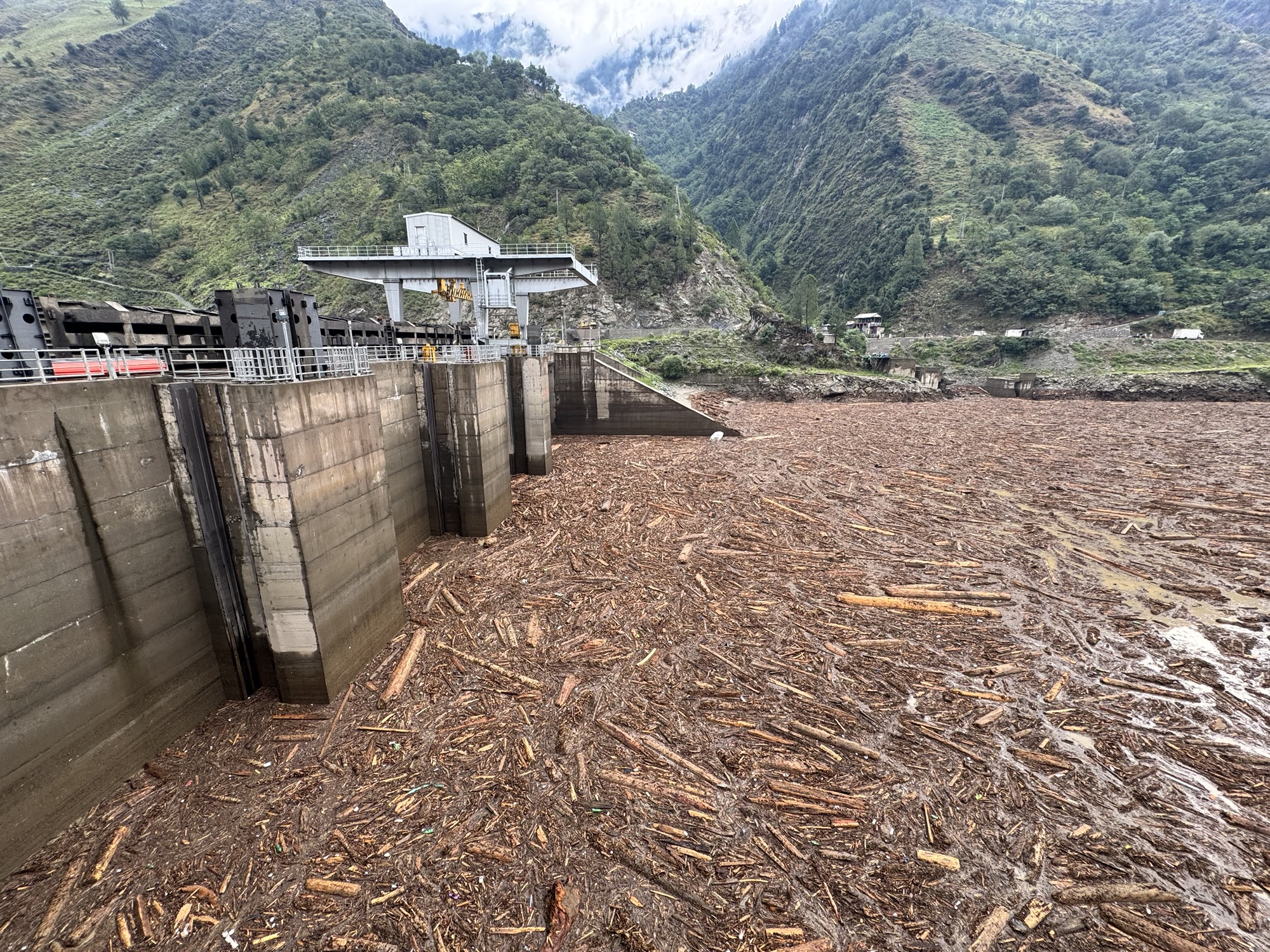
    When a cloudburst flood hits mountainous regions, it doesn’t just bring water—it also carries huge amounts of soil, rocks, and uprooted trees. One of the most striking effects is seen in dam reservoirs, where floating logs and wooden debris pile up after heavy floods. This natural phenomenon creates serious operational challenges for dam authorities and highlights the raw power of nature.

    How Floods Carry Woods Into Reservoirs

    During intense rainfall and flash flooding:

    Uprooted trees and branches are swept away by fast-moving rivers. Landslides triggered by heavy rain push forest debris downstream. Strong water currents transport logs until they settle in the reservoir.

    As a result, the dam surface becomes a massive floating carpet of wood debris, blocking clear water flow.

    Impact of Floating Logs on Dams

    Flood-borne wood debris can cause multiple problems:

    Blockage of Spillways – Floating logs can obstruct radial and flap gates. Damage to Structures – Logs hitting spillways, intake gates, and tunnels may cause cracks or damage. Reduced Storage Efficiency – Thick wood layers reduce water flow and storage. Higher Maintenance Costs – Clearing thousands of logs requires heavy machinery and manpower.

    How Reservoirs Manage Flood Debris

    To ensure smooth dam operation, several measures are taken:

    Log Booms: Steel ropes across reservoirs to trap floating wood before reaching spillways. Mechanical Clearing: Cranes, barges, and excavators remove the accumulated debris. Flushing Operations: Controlled water releases help push logs downstream.

    A Repeated Challenge for Mountain Dams

    Every year, especially during the monsoon, mountain dams face the challenge of floating wood after floods. It is a reminder that while dams provide hydropower, irrigation, and flood control, they also need continuous maintenance to fight the impacts of nature.

    Conclusion

    The sight of flood-borne logs floating in a dam reservoir may look dramatic, but it highlights the constant struggle between natural disasters and man-made structures. Proper debris management ensures that dams continue to operate safely while preserving water quality and storage capacity.

    For more insights into mountain adventures, floods, and reservoir management, visit AdventureNat Online – your guide to nature and engineering.

    SEO Meta Data

    Meta Title: Flood Brings Woods Into Dam Reservoir | Floating Logs After Cloudburst

    Meta Description: Discover how cloudburst floods bring floating logs and debris into dam reservoirs. Learn about the impact on dams, maintenance challenges, and solutions for managing flood-borne wood.

    Tags: cloudburst flood, floating logs in reservoir, flood brings wood into dam, dam flood debris, reservoir maintenance, floating wood after flood, mountain dam challenges

    👉 Do you want me to make this in a WordPress-ready format (HTML with headings, meta tags, and image alt text) so you can just paste it into your site editor?