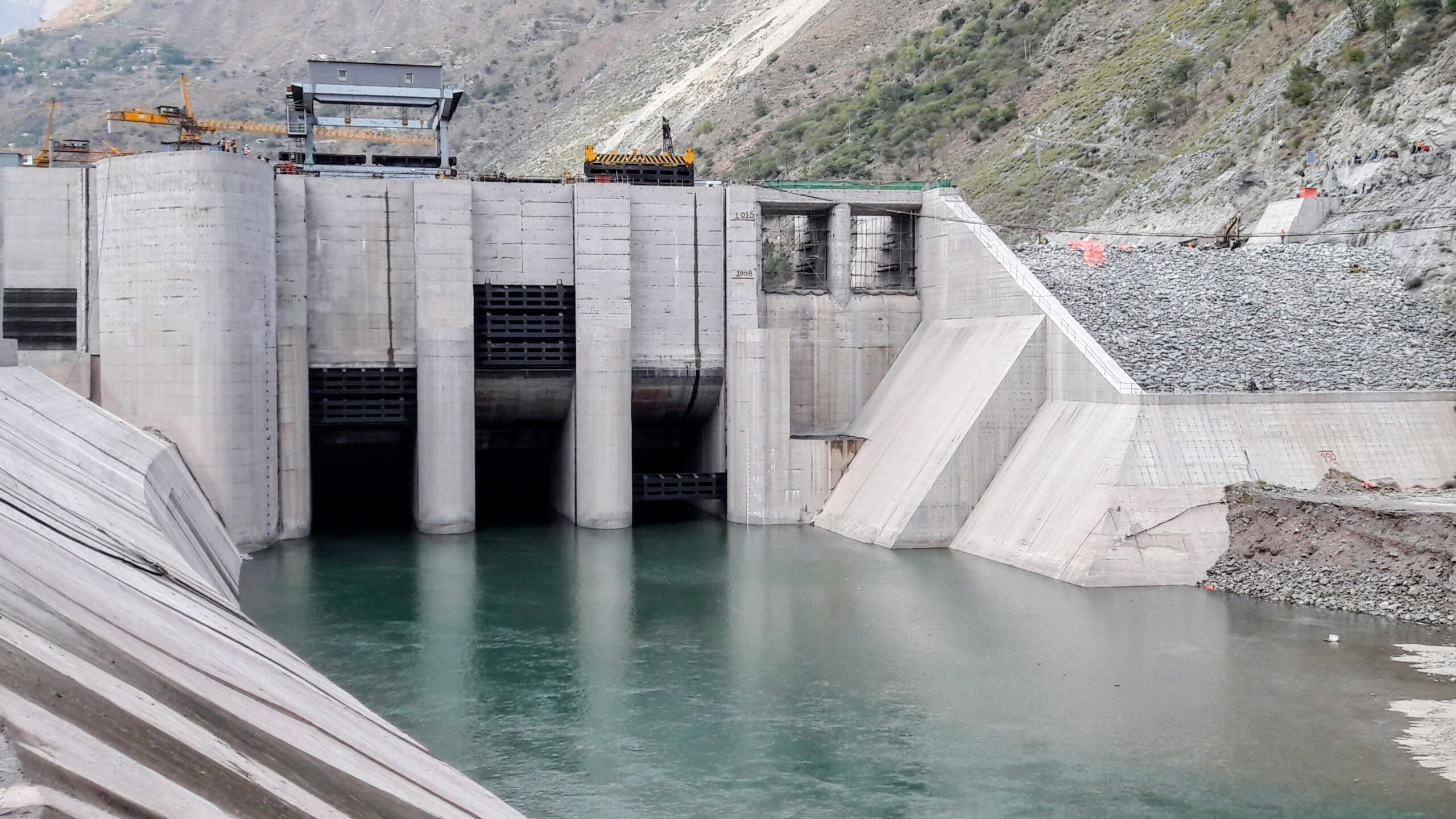
Hydropower dams are complex engineering systems where water management, gate operations, and sediment control play a vital role in safety and power generation. On this page, you’ll find a complete video playlist showcasing real-world dam operations, recorded directly from active hydropower projects.
This playlist covers:
Spillway gate opening and closing operations
Emergency sediment and debris flushing
Radial gate testing and maintenance
Reservoir level control during floods
Intake gate sediment release
Real dam engineering in action
These videos are ideal for civil engineers, hydropower professionals, engineering students, and anyone curious about how large dams actually work in real conditions.
Watch the Full Playlist Below
Embedded YouTube Playlist
👉 Subscribe on YouTube for regular updates on dam safety, hydraulic structures, and hydropower engineering
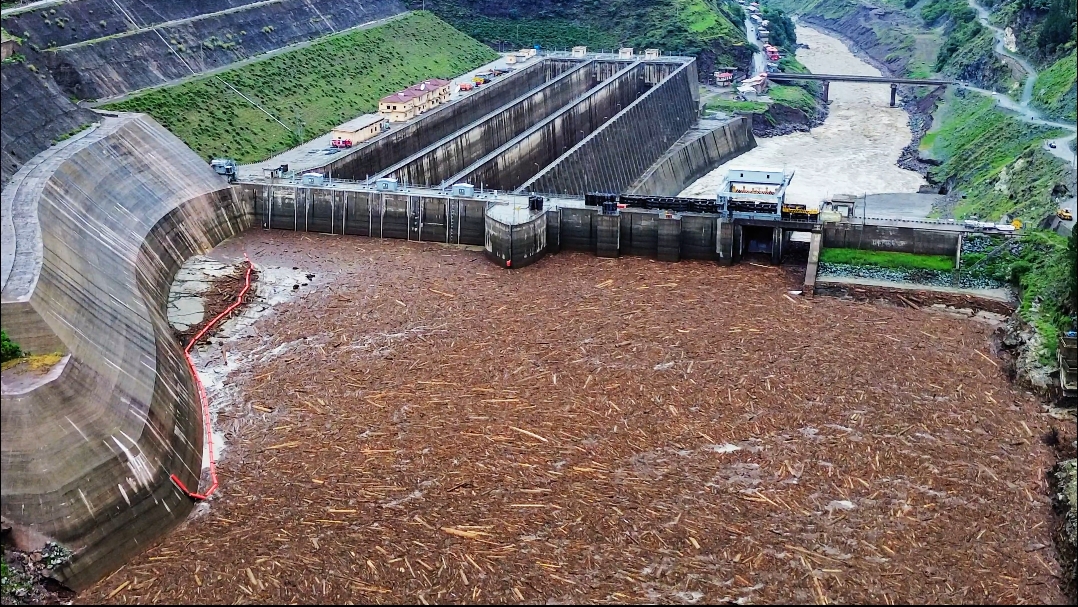
A powerful cloudburst in Pakistan’s scenic Neelum Valley has triggered severe flash flooding, causing a massive volume of floating debris to accumulate in a major reservoir. The shocking visuals show the water surface completely covered with tree trunks, branches, and mud, highlighting the destructive impact of extreme weather events on the region’s fragile ecosystem and infrastructure.
What Happened in Neelum Valley?
Following days of intense rainfall, a sudden cloudburst unleashed torrents of water down the steep mountain slopes of Neelum Valley. The fast-moving floodwater swept away trees, soil, and construction material, carrying it directly into the downstream reservoir.
As a result, an enormous debris field formed, stretching across the water surface and creating serious challenges for dam operations and water management authorities.
Impact on the Reservoir and Dam Operations
The floating debris poses multiple risks:
Blocked water flow through spillways and gates
Threat to hydropower turbines and intake systems
Increased pressure on dam structure
Disruption of electricity generation
Potential downstream flooding risk if debris suddenly shifts
Emergency teams have reportedly been deployed to monitor the situation and initiate cleanup operations using heavy machinery and specialized equipment.
Environmental Concerns
Experts warn that such events are becoming more frequent due to:
Climate change
Rapid glacier melt
Deforestation in mountainous areas
Unregulated construction along riverbanks
The accumulated debris not only damages infrastructure but also harms aquatic life by reducing oxygen levels and blocking sunlight penetration in the water.
Climate Change and Rising Cloudburst Events
Cloudbursts are sudden, intense rainfall events that dump massive amounts of water in a short time. In recent years, northern Pakistan, including Neelum Valley, has seen a sharp rise in these extreme weather patterns.
Meteorologists link this trend to changing climate conditions, making the region more vulnerable to flash floods, landslides, and infrastructure damage.
Government & Rescue Response
Local authorities are:
Conducting damage assessments
Clearing debris from reservoir surface
Issuing weather alerts for nearby areas
Monitoring dam safety levels
Assisting affected communities
Residents living downstream have also been advised to stay alert for possible water release from the dam.
Final Thoughts
The massive debris accumulation in Neelum Valley’s reservoir is a stark reminder of nature’s growing unpredictability. It highlights the urgent need for:
Better disaster preparedness
Improved forest management
Early warning systems
Climate resilience planning
Protecting mountain ecosystems is essential to prevent such disasters in the future.
🔍 SEO Keywords
Neelum Valley cloudburst, reservoir debris, flash floods Pakistan, floating debris dam, Neelum Valley floods, climate change Pakistan, hydropower dam debris, mountain flood disaster, Azad Kashmir weather, Pakistan monsoon floods