

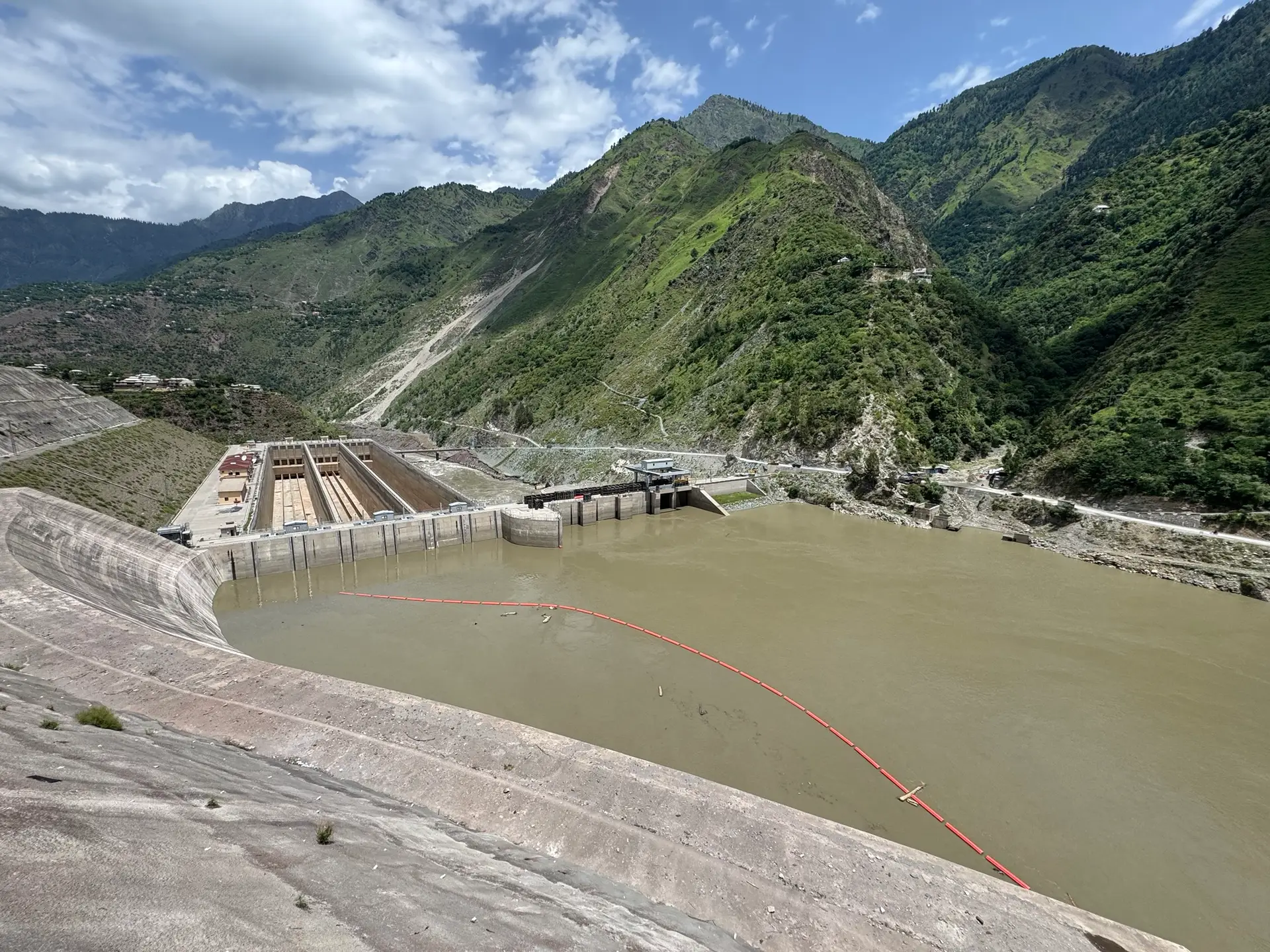
There is something profoundly humbling about standing before a massive structure that harnesses the raw, untamed energy of a river. In these quiet, rugged corners of the world, human engineering doesn’t just sit in the landscape—it commands it.
When you travel through deep mountain valleys, the sight of a sprawling reservoir reflecting the towering peaks above is often the highlight of the journey. It is a place of contrast: the quiet, still power of the water against the steep, ancient slopes of the surrounding hills.
The Intersection of Power and Peace
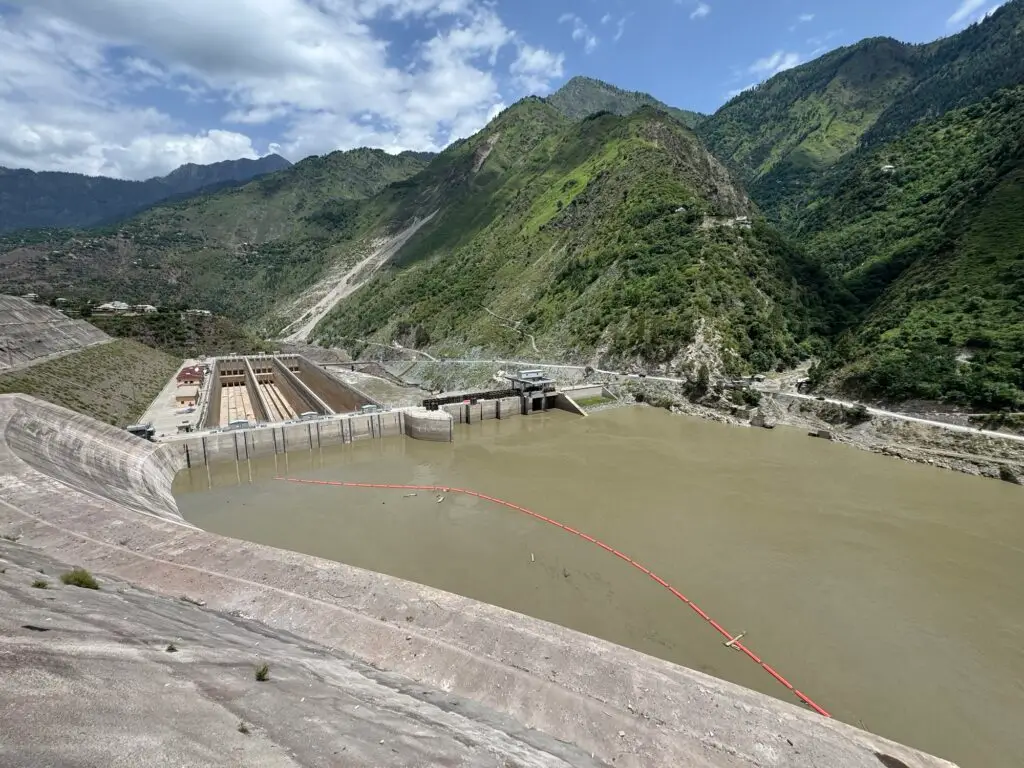
Visiting these sites is more than just sightseeing; it is a masterclass in scale. Standing on the concrete edge, looking out over the vast expanse of silt-laden water, you are reminded of how small we are in comparison to the forces of nature that have carved these valleys over millions of years.
Why These Landscapes Captivate Us
- Architectural Grandeur: The clean, sweeping lines of concrete spillways and dams create a striking visual contrast against the organic, chaotic textures of the mountain slopes.
- The Colors of the Wild: From the deep, earthy tones of the river, heavy with glacial silt, to the vibrant, lush greens of the mountainside, these locations offer a color palette that feels alive and constantly changing with the light.
- A Moment of Stillness: Despite the industrial purpose of these sites, they often serve as havens of silence. The distant roar of flowing water and the expansive horizon make them perfect spots to pause, breathe, and appreciate the scale of your adventure.
Embracing the Journey
If you find yourself on a road trip through deep, winding valleys, don’t just drive past these monumental structures. Stop. Pull over safely, take in the cool air, and watch the water.
These sites are often tucked away in remote areas, meaning they are the perfect markers for those who venture off the beaten path. They represent the connection between the remote, wild highland regions and the energy that powers the world below.
A Photographer’s Perspective
For those capturing these moments, the best shots often come when you play with the geometry. Look for:
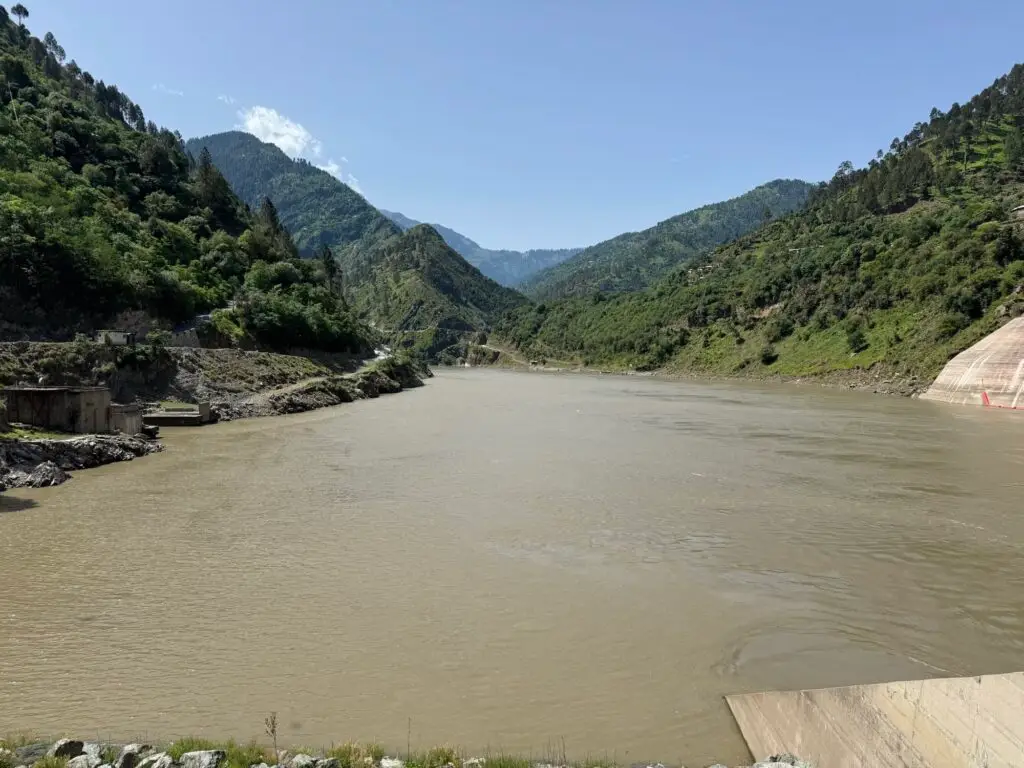
- Leading Lines: Use the edge of the dam wall to draw the eye toward the distant mountain passes.
- The “Silt” Aesthetic: In many mountain rivers, the high mineral content creates a unique, opaque color that looks magnificent under the midday sun.
- Wide Angles: To truly capture the relationship between the structure and the mountain range, go as wide as your lens allows.
Final Thoughts
We often chase sunsets or peaks, but sometimes the most memorable parts of a trip are the unexpected landmarks that remind us of human ingenuity amidst nature’s grand design. The next time your road takes you through the heart of the mountains, keep your eyes open for these silent, powerful giants.
Have you ever felt a sense of awe standing next to a massive piece of infrastructure in the wild? Share your favorite “hidden monument” experiences in the comments!
Quick Tips for Your Next Visit
- Respect the Signs: Always adhere to safety warnings and restricted areas. These are working sites, and safety is the top priority.
- Capture the Details: It isn’t just about the big picture. Look for the patterns in the concrete, the texture of the rocks, or the way the mountain vegetation clings to the hillsides.
- Travel Mindfully: Always leave these beautiful, remote areas exactly as you found them.
Would you like to explore tips on how to plan an adventure trip through remote mountainous regions?