Introduction
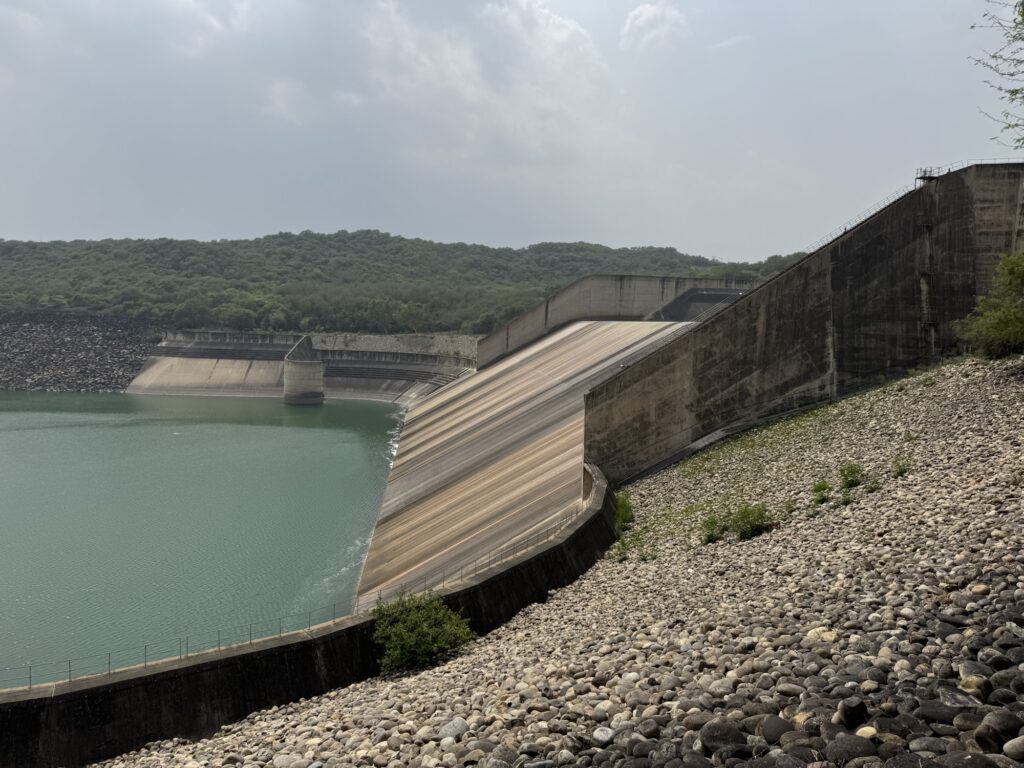
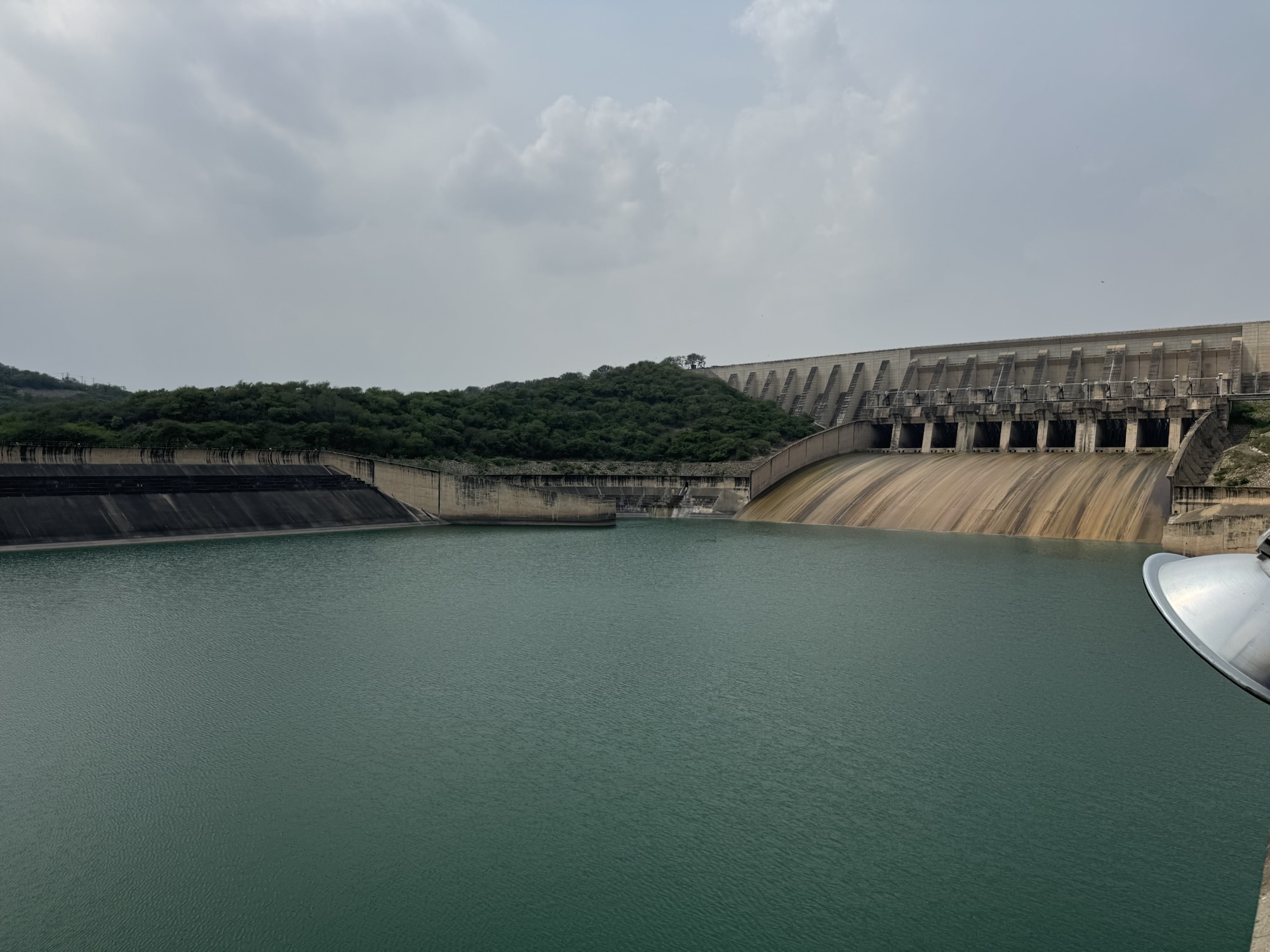
Mangla Dam is one of the most significant hydraulic engineering projects in Pakistan and a cornerstone of the country’s water and energy infrastructure. Built across the Jhelum River near Mirpur in Azad Jammu and Kashmir (AJK), the dam serves multiple purposes, including water storage, hydroelectric power generation, irrigation supply, flood mitigation, and drought management.
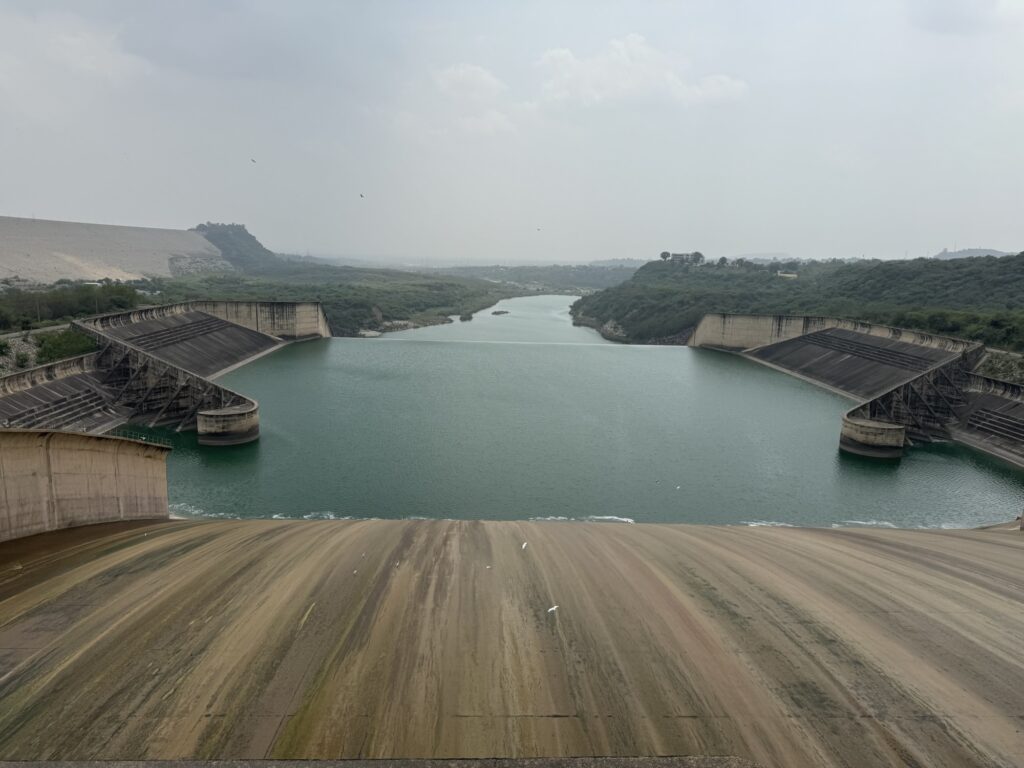
Since its inauguration in 1967, Mangla Dam has transformed Pakistan’s agricultural landscape by ensuring a reliable water supply to millions of hectares of farmland while producing clean, renewable electricity for the national grid. The reservoir, known as Mangla Lake, is among the largest artificial lakes in South Asia and supports tourism, fisheries, and local economic development.
Today, Mangla Dam continues to play a strategic role in addressing Pakistan’s growing challenges related to water scarcity, climate change, increasing electricity demand, and sustainable resource management.
Historical Background
The construction of Mangla Dam was initiated under the Indus Basin Development Program following the 1960 Indus Waters Treaty between Pakistan and India. The treaty allocated the eastern rivers to India, requiring Pakistan to develop new reservoirs and water management infrastructure on the western rivers.
Construction began in the early 1960s under the supervision of the Water and Power Development Authority (WAPDA). Thousands of engineers, geologists, surveyors, technicians, and construction workers participated in the project, which represented one of the largest civil engineering efforts in the country’s history.
The project required the relocation of numerous villages, including parts of the old Mirpur city, as the reservoir area was inundated. Many affected families were resettled in other regions of Pakistan and abroad.
Mangla Dam was officially completed in 1967 and quickly became a critical component of Pakistan’s irrigation and hydropower systems.
Geographic Location
Mangla Dam is situated approximately 30 kilometers from Mirpur city in Azad Jammu and Kashmir on the Jhelum River.
The surrounding catchment area receives water from:
- Himalayan snowmelt
- Seasonal monsoon rainfall
- Mountain tributaries
- Upper Jhelum watershed
The mountainous terrain surrounding the reservoir provides favorable conditions for large-scale water storage and hydroelectric generation.
Engineering Design
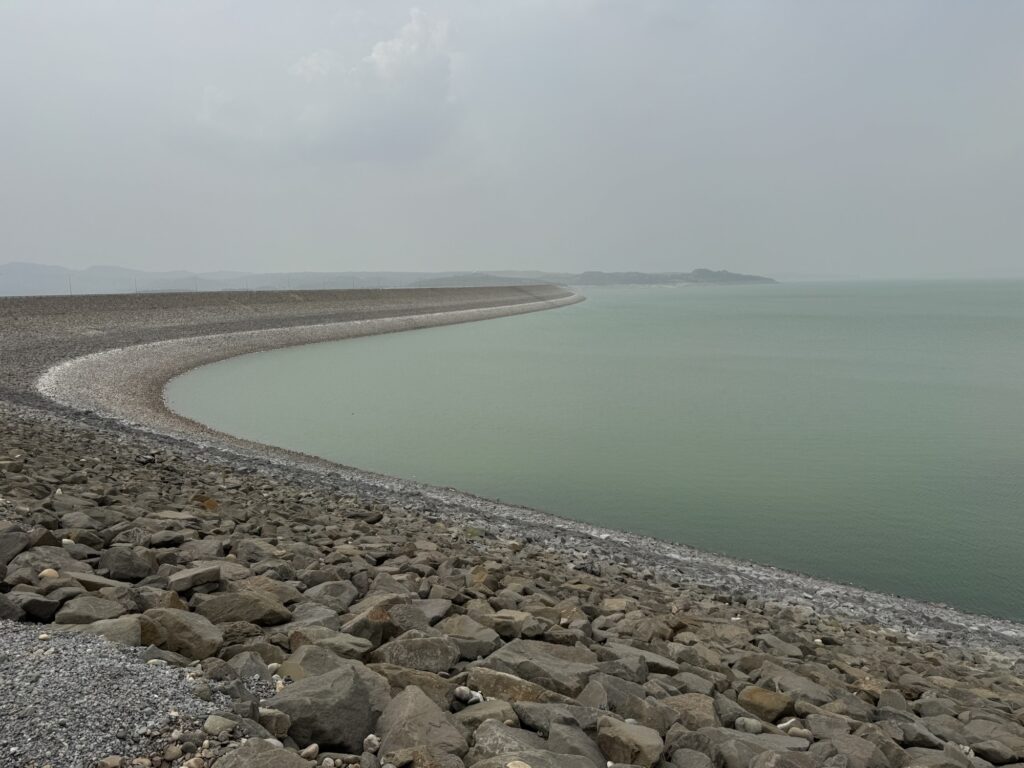
Mangla Dam is one of the world’s largest earth-fill embankment dams.
Major engineering components include:
- Main earth-fill embankment
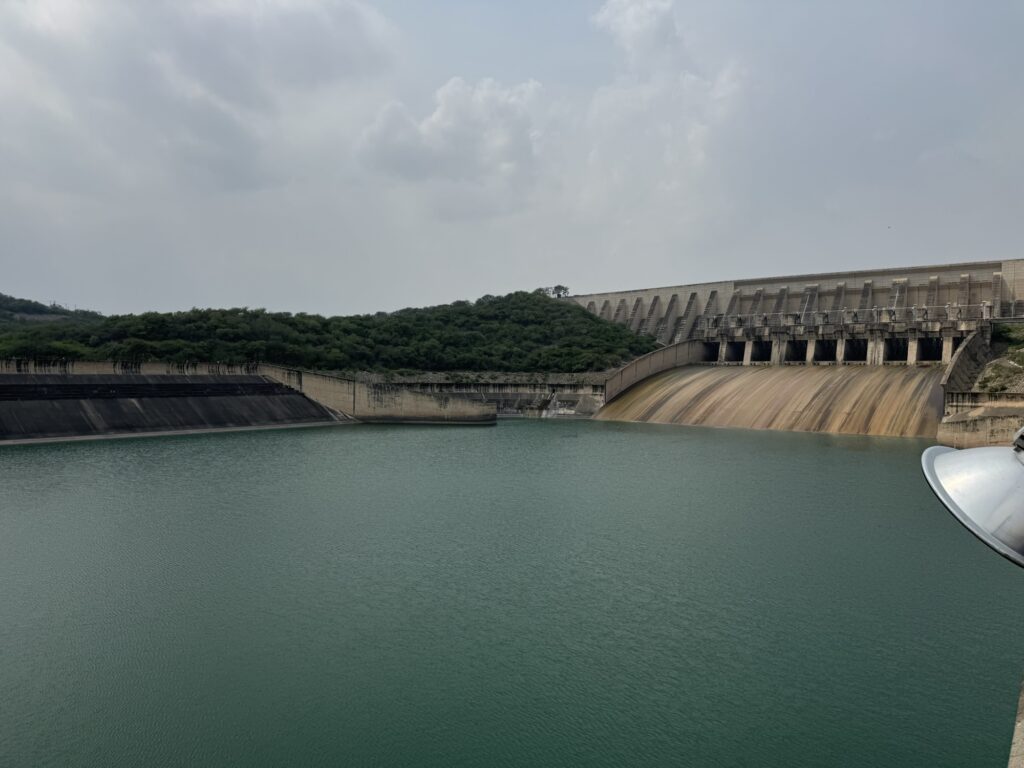
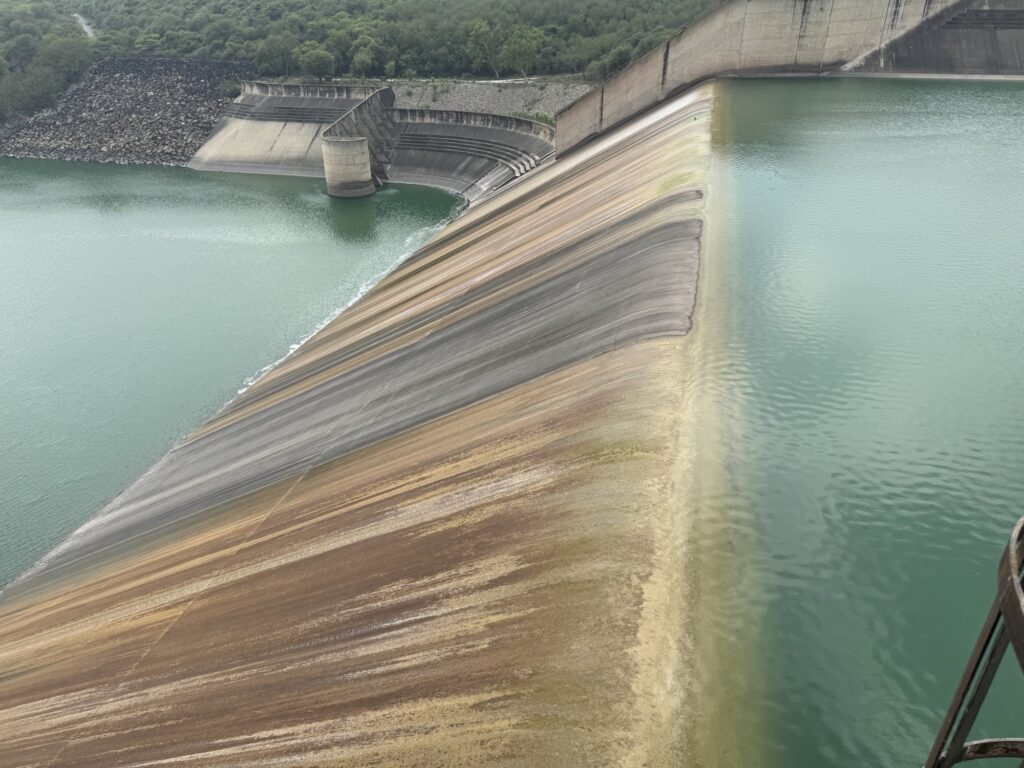
- Concrete spillway
- Intake structures
- Power tunnels
- Penstocks
- Underground and surface powerhouse facilities
- Control gates
- Outlet works
- Inspection galleries
- Instrumentation systems
- Seepage monitoring network
The embankment was designed using millions of cubic meters of compacted earth and rockfill materials, providing excellent structural stability against earthquakes and water pressure.
Reservoir Characteristics
Mangla Lake stores enormous volumes of freshwater during periods of high river flow.
The reservoir performs several important functions:
- Seasonal water storage
- Regulation of river discharge
- Irrigation water supply
- Flood attenuation
- Hydropower support
- Fisheries development
- Recreation
- Groundwater recharge
Water levels fluctuate throughout the year depending on rainfall, snowmelt, irrigation demand, and power generation schedules.
Hydroelectric Power Generation
Hydropower is among the most important functions of Mangla Dam.
Water released from the reservoir flows through large intake tunnels toward high-capacity turbines.
The basic process includes:
- Water enters intake structures.
- Flow passes through penstocks.
- High-pressure water rotates turbine runners.
- Turbines drive electrical generators.
- Electricity is transmitted through high-voltage transmission lines to Pakistan’s national grid.
Following modernization and refurbishment projects, Mangla Dam’s generating capacity has increased substantially, enabling it to supply electricity to millions of homes, industries, hospitals, schools, and businesses.
Hydropower offers several advantages:
- Renewable energy
- Low greenhouse gas emissions
- High operational reliability
- Long service life
- Reduced dependence on imported fuels
- Lower operating costs after construction
Irrigation Benefits
Pakistan possesses one of the world’s largest irrigation systems, and Mangla Dam is one of its primary water storage reservoirs.
Stored water is released during dry seasons to support agriculture across Punjab and Sindh.
The dam contributes to irrigation of crops such as:
- Wheat
- Rice
- Cotton
- Sugarcane
- Maize
- Vegetables
- Fruits
- Oilseed crops
Reliable irrigation improves:
- Food security
- Farmer incomes
- Crop yields
- Rural employment
- National agricultural production
Flood Control
Heavy monsoon rains and rapid snowmelt frequently increase river discharge.
Mangla Dam reduces flood risks by:
- Storing excess floodwater
- Regulating downstream releases
- Protecting agricultural land
- Reducing damage to infrastructure
- Minimizing risks to communities
Although no reservoir can eliminate flooding entirely, Mangla significantly reduces flood severity under many conditions.
Dam Raising Project
Over time, sediment deposition reduced the reservoir’s storage capacity.
To restore part of this lost capacity, Pakistan undertook the Mangla Dam Raising Project.
Major objectives included:
- Increasing water storage
- Improving flood regulation
- Enhancing irrigation reliability
- Supporting additional hydropower production
- Extending reservoir life
The project involved raising the dam crest and modifying associated structures while maintaining operational safety.
Sedimentation Challenges
Sediment transported by the Jhelum River gradually accumulates within the reservoir.
Sources include:
- Mountain erosion
- Landslides
- Riverbank erosion
- Deforestation
- Construction activities
- Agricultural runoff
Sedimentation leads to:
- Reduced storage capacity
- Lower flood buffering
- Altered reservoir hydraulics
- Increased maintenance requirements
Possible management strategies include:
- Watershed conservation
- Afforestation
- Sediment monitoring
- Dredging in critical areas
- Sediment bypass studies
- Controlled flushing where feasible
Long-term sediment management is essential to preserve the reservoir’s effectiveness.
Dam Safety and Monitoring
Modern dam safety depends on continuous monitoring.
Engineers inspect:
- Embankment stability
- Seepage rates
- Settlement
- Internal pore water pressure
- Structural movement
- Spillway performance
- Gate operations
- Earthquake response
- Instrumentation readings
Common monitoring equipment includes:
- Piezometers
- Inclinometers
- Settlement monuments
- Crack gauges
- Seepage measuring devices
- Weather stations
- Water level sensors
- Flow meters
- Remote monitoring systems
Routine inspections help identify problems early, improving operational safety and reducing maintenance costs.
Environmental Considerations
Mangla Dam has produced significant environmental changes.
Positive impacts include:
- Renewable electricity generation
- Reduced fossil fuel consumption
- Fish habitat development
- Recreation opportunities
- Groundwater recharge
- Wetland creation
Environmental concerns include:
- Habitat alteration
- Sediment trapping
- Shoreline erosion
- Changes in river ecology
- Water quality management
- Biodiversity conservation
Integrated watershed management helps reduce these impacts.
Climate Change and Future Challenges
Climate change presents new challenges for reservoir management.
Potential impacts include:
- Changing snowfall patterns
- Glacier retreat
- More intense rainfall events
- Longer drought periods
- Increased evaporation
- Greater uncertainty in water availability
To adapt, reservoir operators increasingly rely on:
- Improved hydrological forecasting
- Satellite observations
- Climate models
- Digital monitoring systems
- Real-time data acquisition
- Adaptive operating rules
Economic Importance
Mangla Dam contributes billions of rupees in economic value through:
- Renewable electricity
- Agricultural production
- Flood damage reduction
- Employment
- Fisheries
- Tourism
- Infrastructure development
- Regional economic growth
Its long operational life makes it one of Pakistan’s most valuable public infrastructure investments.
Tourism and Recreation
Mangla Lake is a popular tourist destination offering:
- Boating
- Fishing
- Water sports
- Scenic viewpoints
- Family picnics
- Photography
- Bird watching
- Lakeside resorts
Visitors enjoy panoramic views of the surrounding hills and the expansive reservoir throughout the year.
Future Development
Future improvements may include:
- Advanced sediment management technologies
- AI-based reservoir operation
- Digital twin models
- Smart dam monitoring
- Drone inspections
- Satellite-based deformation monitoring
- Enhanced flood forecasting
- Modernized turbines
- Climate-resilient water management
These innovations can improve safety, efficiency, and sustainability.
Conclusion
Mangla Dam remains one of Pakistan’s greatest engineering achievements. For nearly six decades, it has supplied irrigation water, generated renewable electricity, reduced flood risks, and supported national economic development. As climate change, population growth, and water scarcity place increasing pressure on Pakistan’s resources, the importance of Mangla Dam will continue to grow.
Maintaining the dam through regular inspections, sediment management, technological modernization, watershed conservation, and scientific monitoring will ensure that it continues to provide clean energy, water security, and flood protection for future generations.