Introduction
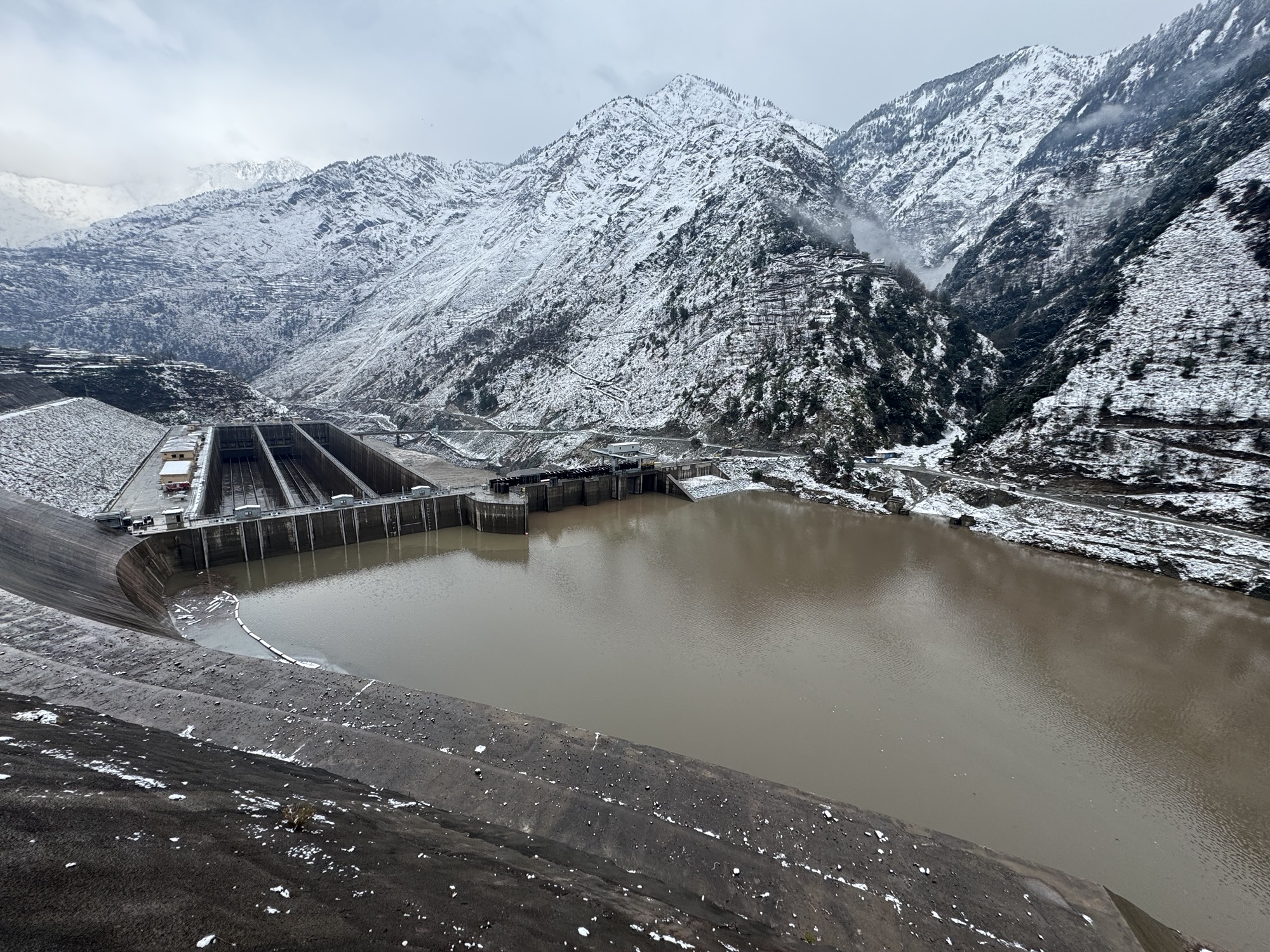
Hydropower is one of the most important renewable energy sources in the world. First, it uses the natural force of flowing water. Then, it converts that energy into electricity. As a result, it provides clean and sustainable power.
In this article, we will explain the working process step by step. In addition, we will describe the main components of a hydropower plant.
What is a Hydropower Plant?
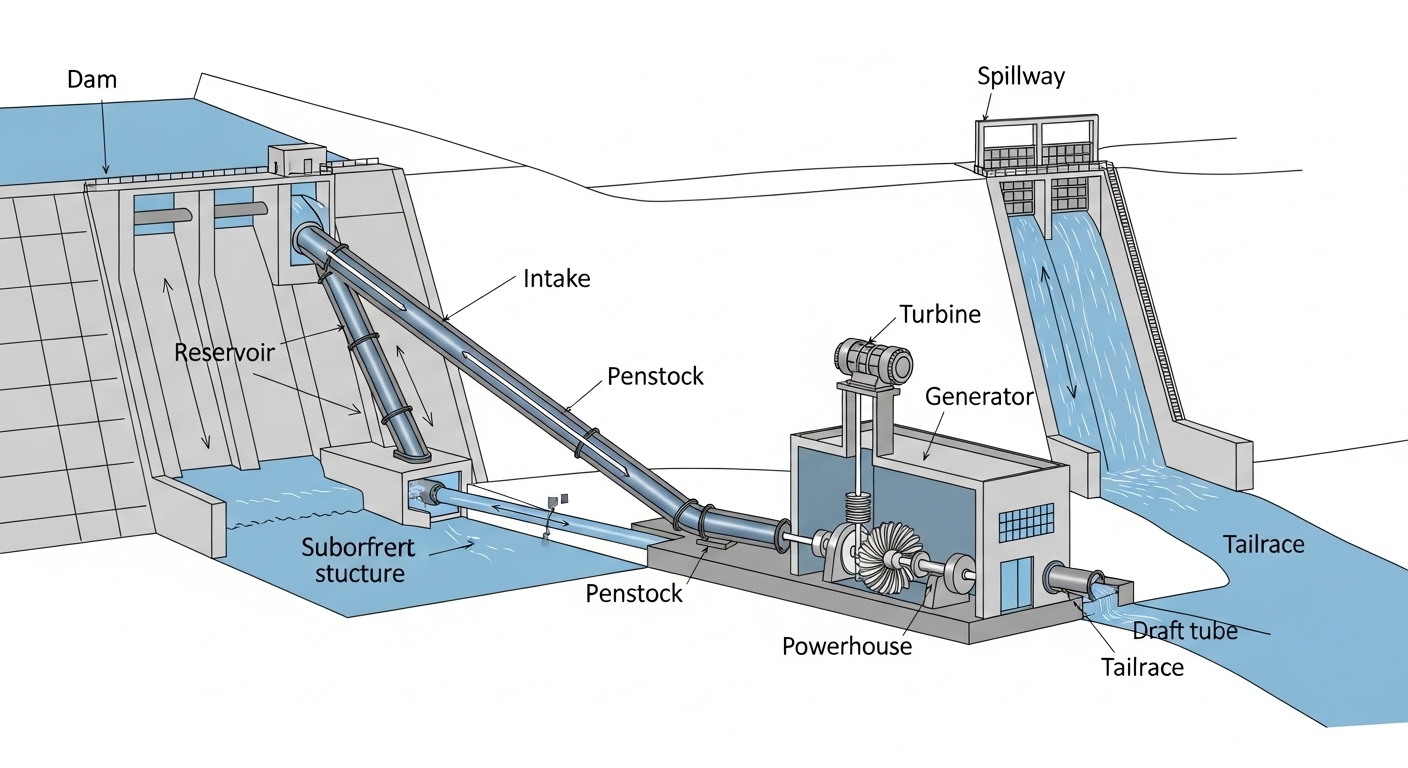
A hydropower plant is a system that generates electricity using water flow. It mainly consists of:
Dam
Reservoir
Penstock
Turbine
Generator
Spillway
Main Components
1️⃣ Dam
First, the dam is built to store water in a reservoir. It creates height and pressure. Therefore, water gains potential energy.

2️⃣ Reservoir
The reservoir stores large amounts of water. Because of this storage, electricity can be generated whenever it is needed.
3️⃣ Penstock
Next, water flows through a large pipe called a penstock. This pipe carries water under high pressure toward the turbine.

4️⃣ Turbine
When water reaches the turbine, it spins the blades. Consequently, mechanical energy is produced.

5️⃣ Generator
The turbine is connected to a generator. Then, the generator converts mechanical energy into electrical energy. Finally, electricity is sent to homes and industries.
6️⃣ Spillway
However, during floods, excess water must be controlled. For example, the spillway releases extra water safely to protect the dam structure.

Step-by-Step Working Process
Water is stored in the reservoir.
Water flows through the penstock.
Water rotates the turbine.
Turbine turns the generator.
Generator produces electricity.
Electricity is transmitted to power grids.
Advantages of Hydropower
✔ Renewable energy
✔ Low operating cost
✔ No fuel required
✔ Long lifespan
✔ Environmentally friendly
Conclusion
Hydropower plants are a reliable source of clean energy. They use natural water flow to generate electricity efficiently. Understanding their working system helps us appreciate modern engineering and renewable energy technology.
Stay connected with Kashmir Explorer for more hydropower and dam engineering content.