

Subscribe to Our YouTube Channel

Get the latest videos from Kashmir Explorer.

Subscribe
Outdoor Adventure Gear

Outdoor Adventure Gear

Durable gear perfect for hiking, camping, and outdoor adventures.

View on Amazon

Recommended Outdoor Product

Useful gear for travel, hiking, and outdoor adventures.

View on Amazon
Amazon Product

Featured Amazon Product

Useful product recommended for travel and outdoor adventures.

View on Amazon

Tag: Reservoir

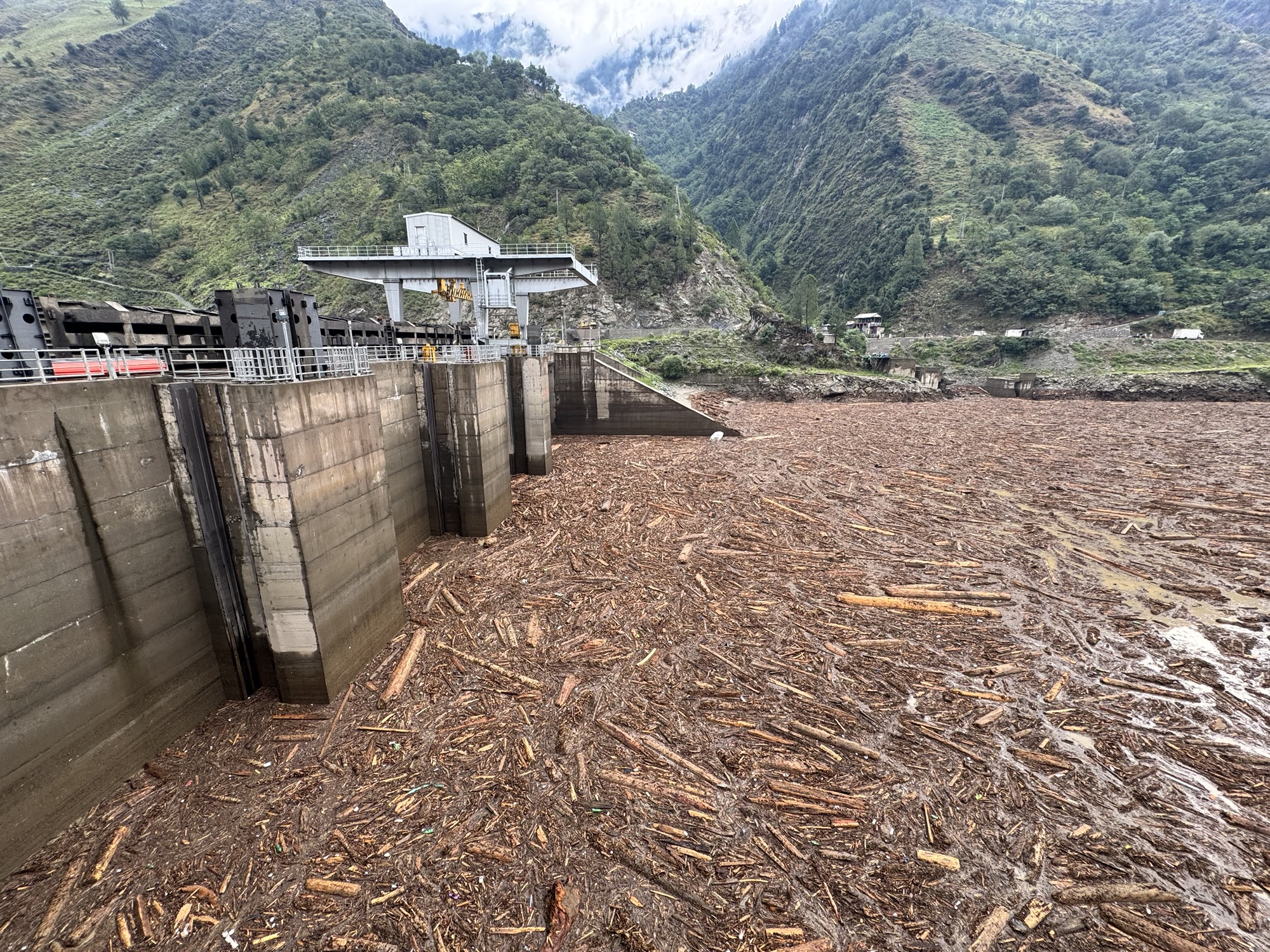
  • Flood Brings Woods Into Dam Reservoir – Floating Logs After Cloudburst

    Flood Brings Woods Into Dam Reservoir – Floating Logs After Cloudburst

    When a cloudburst flood hits mountainous regions, it doesn’t just bring water—it also carries huge amounts of soil, rocks, and uprooted trees. One of the most striking effects is seen in dam reservoirs, where floating logs and wooden debris pile up after heavy floods. This natural phenomenon creates serious operational challenges for dam authorities and highlights the raw power of nature.

    How Floods Carry Woods Into Reservoirs

    During intense rainfall and flash flooding:

    Uprooted trees and branches are swept away by fast-moving rivers. Landslides triggered by heavy rain push forest debris downstream. Strong water currents transport logs until they settle in the reservoir.

    As a result, the dam surface becomes a massive floating carpet of wood debris, blocking clear water flow.

    Impact of Floating Logs on Dams

    Flood-borne wood debris can cause multiple problems:

    Blockage of Spillways – Floating logs can obstruct radial and flap gates. Damage to Structures – Logs hitting spillways, intake gates, and tunnels may cause cracks or damage. Reduced Storage Efficiency – Thick wood layers reduce water flow and storage. Higher Maintenance Costs – Clearing thousands of logs requires heavy machinery and manpower.

    How Reservoirs Manage Flood Debris

    To ensure smooth dam operation, several measures are taken:

    Log Booms: Steel ropes across reservoirs to trap floating wood before reaching spillways. Mechanical Clearing: Cranes, barges, and excavators remove the accumulated debris. Flushing Operations: Controlled water releases help push logs downstream.

    A Repeated Challenge for Mountain Dams

    Every year, especially during the monsoon, mountain dams face the challenge of floating wood after floods. It is a reminder that while dams provide hydropower, irrigation, and flood control, they also need continuous maintenance to fight the impacts of nature.

    Conclusion

    The sight of flood-borne logs floating in a dam reservoir may look dramatic, but it highlights the constant struggle between natural disasters and man-made structures. Proper debris management ensures that dams continue to operate safely while preserving water quality and storage capacity.

    For more insights into mountain adventures, floods, and reservoir management, visit AdventureNat Online – your guide to nature and engineering.

    SEO Meta Data

    Meta Title: Flood Brings Woods Into Dam Reservoir | Floating Logs After Cloudburst

    Meta Description: Discover how cloudburst floods bring floating logs and debris into dam reservoirs. Learn about the impact on dams, maintenance challenges, and solutions for managing flood-borne wood.

    Tags: cloudburst flood, floating logs in reservoir, flood brings wood into dam, dam flood debris, reservoir maintenance, floating wood after flood, mountain dam challenges

    👉 Do you want me to make this in a WordPress-ready format (HTML with headings, meta tags, and image alt text) so you can just paste it into your site editor?
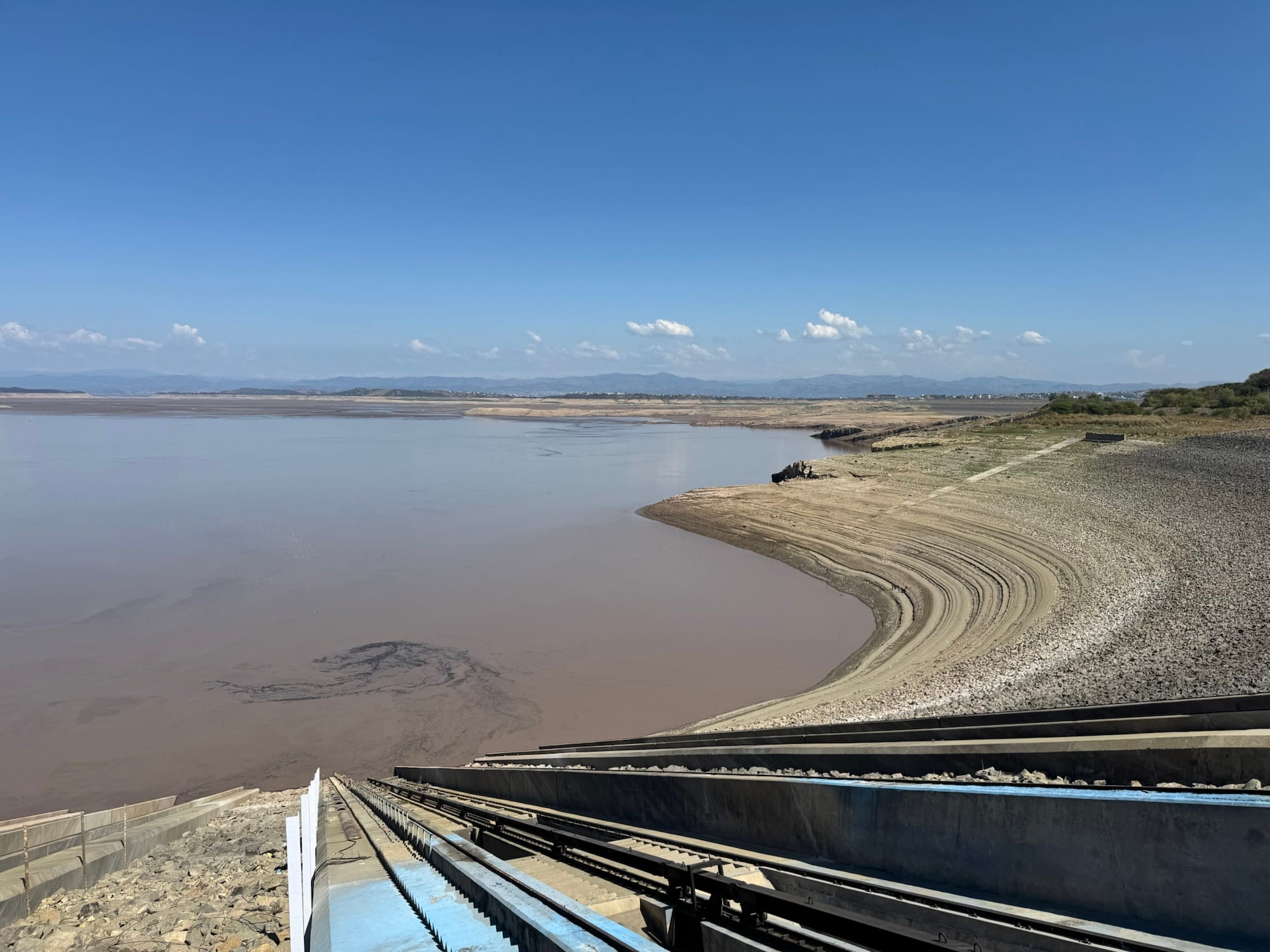
  • Mega Dam Reservoir at Dead Level: A Closer Look at Silt Flushing and Water Management

    Mega Dam Reservoir at Dead Level: A Closer Look at Silt Flushing and Water Management

    Welcome to our in-depth exploration of how mega dam reservoirs operate when they reach dead level—and the vital process of silt flushing through irrigation valves. This article will highlight the key points of reservoir management, sediment control, and the broader implications for downstream ecosystems.

    1. Understanding the Dead Level Stage

    When a reservoir hits its dead level, the water volume falls to the lowest operational threshold. At this stage, regular outlets may no longer function effectively for:

    • Hydropower generation

    • Municipal water supply

    • Agricultural irrigation

    Instead, dam operators rely on low-level outlets (or irrigation valves) to manage water flow. Reaching this point can be indicative of drought conditions or a planned drawdown for maintenance.

    SEO Keywords:

    • Mega dam reservoir

    • Dead level water

    • Irrigation valves

    • Drought conditions

    2. Why Silt Flushing Matters

    a) Sediment Accumulation

    Over time, silt and other sediments accumulate in a reservoir, reducing its capacity and threatening water management objectives. This buildup can also damage turbines and reduce hydropower efficiency.

    b) Flushing Through Irrigation Valves

    By opening bottom outlets or specially designed irrigation valves, engineers can flush out excess sediment. The silt flushing process helps maintain reservoir capacity, protects dam infrastructure, and can improve water quality downstream if managed responsibly.

    SEO Keywords:

    • Silt flushing

    • Sediment control

    • Water management

    • Bottom outlets

    3. Environmental and Community Impacts

    a) Downstream Ecosystem Health

    Releasing sediment-laden water can temporarily increase turbidity and impact aquatic habitats. However, controlled silt flushing can also deliver nutrients downstream, supporting riverine ecosystems in the long term.

    b) Agricultural Considerations

    When a dam is at dead level, water availability for irrigation may be limited. Careful planning of silt flushing operations can minimize disruptions to farming communities and ensure sustainable crop irrigation schedules.

    SEO Keywords:

    • Downstream ecosystems

    • Aquatic habitats

    • Farming communities

    • Crop irrigation

    4. Best Practices in Reservoir Management

    1. Scheduled Drawdowns

    Plan reservoir drawdowns during periods of low water demand to minimize impact on irrigation and drinking water supplies.

    2. Regular Monitoring

    Use real-time sensors and satellite imagery to track sediment levels and predict the best times for silt flushing.

    3. Infrastructure Maintenance

    Maintain and upgrade low-level outlets, spillways, and turbines to handle sediment loads effectively.

    4. Community Collaboration

    Engage with local stakeholders, farmers, and environmental agencies to align silt flushing schedules with agricultural cycles and ecological needs.

    SEO Keywords:

    • Reservoir management

    • Low-level outlets

    • Stakeholder engagement

    • Environmental agencies

    5. Looking Ahead: Sustainability and Efficiency

    As climate patterns shift and water resources become more strained, effective reservoir and dam management is increasingly critical. By adopting sustainable practices, leveraging advanced technology, and coordinating with local communities, we can ensure long-term benefits for both humans and ecosystems.

    Join the Conversation

    Have insights or experiences related to mega dam operations, dead level challenges, or silt flushing? Share your thoughts in the comments or on social media.

    Hashtags for Easy Sharing

    #MegaDam #ReservoirManagement #DeadLevel #SiltFlushing #Irrigation #Hydropower #WaterManagement #Sustainability #Drought #SedimentControl #EnvironmentalImpact #DamOperations