Tag: Reservoir

  • Reservoir in a Narrow Valley – Nature Meets Engineering Masterpiece

    Reservoir in a Narrow Valley – Nature Meets Engineering Masterpiece

    Introduction

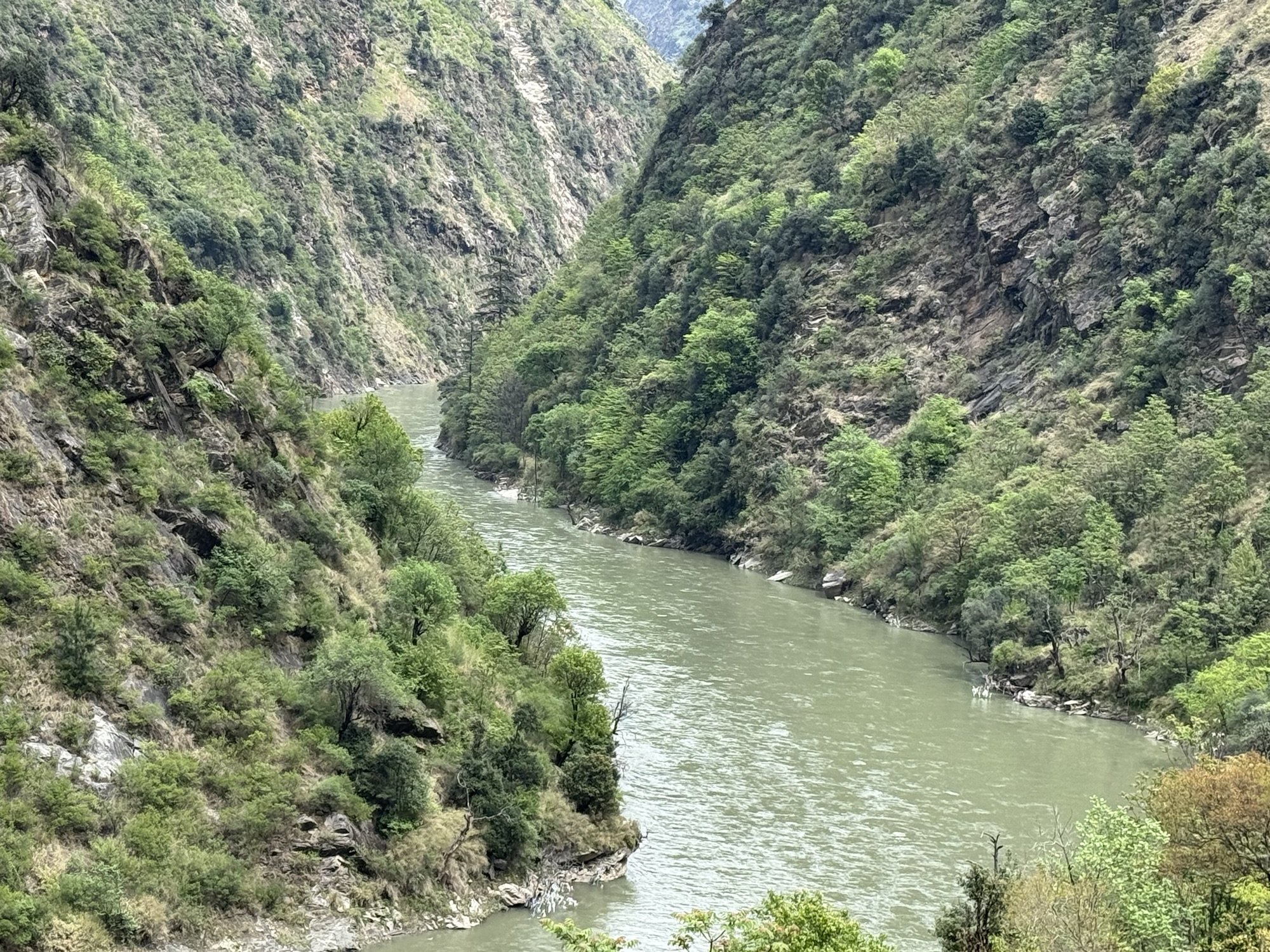
    A reservoir nestled within a narrow valley is one of the most breathtaking sights in mountainous regions. Surrounded by steep slopes, dense vegetation, and flowing water, these reservoirs are not only visually stunning but also play a vital role in hydropower generation, water storage, and flood control.

    What is a Reservoir in a Narrow Valley?

    A narrow valley reservoir is formed when a river flowing through steep mountainous terrain is impounded by a dam. Due to the confined geography, the water body stretches longitudinally, creating a deep and elongated storage system.

    This type of reservoir is commonly found in regions like northern Pakistan, where rivers cut through rugged mountains, offering ideal conditions for dam construction.

    Key Features of Narrow Valley Reservoirs

    1. Steep Slopes and Deep Water

    The valley sides rise sharply, allowing the reservoir to store large volumes of water with minimal surface area.

    2. High Storage Efficiency

    Because of the natural topography, less land is submerged compared to wide valley reservoirs.

    3. Reduced Evaporation Losses

    Narrow reservoirs typically experience lower evaporation due to limited surface exposure.

    4. Ideal for Hydropower Projects

    These reservoirs are highly suitable for run-of-the-river and storage-based hydropower plants due to high hydraulic head.

    Engineering Significance

    Reservoirs in narrow valleys are preferred sites for major dam projects because:

    Strong abutments provide natural support for dam structures High head increases power generation efficiency Compact design reduces construction material and cost Sediment control becomes manageable with proper flushing systems

    For engineers, these sites are a perfect blend of natural advantage and structural stability.

    Environmental and Scenic Value

    Apart from engineering benefits, these reservoirs are incredibly scenic:

    Surrounded by lush greenery and forested hills Offer breathtaking views during cloudy and rainy weather Serve as habitats for wildlife and aquatic species Attract tourists, photographers, and nature lovers

    The calm water surface reflecting the mountains creates a peaceful and cinematic landscape.

    Challenges in Narrow Valley Reservoirs

    Despite their advantages, these reservoirs face some challenges:

    Sediment deposition due to high flow velocities Landslides along steep slopes Limited accessibility for maintenance Flood management complexity during extreme inflows

    Proper design and monitoring systems are essential to tackle these issues.

    Conclusion

    Reservoirs in narrow valleys are a perfect example of how nature and engineering work together. They not only support hydropower development and water management but also enhance the natural beauty of mountainous regions.

    For anyone passionate about dams, hydrology, or nature, these reservoirs offer a unique perspective where science meets scenery.
  • Flood Brings Woods Into Dam Reservoir – Floating Logs After Cloudburst

    Flood Brings Woods Into Dam Reservoir – Floating Logs After Cloudburst

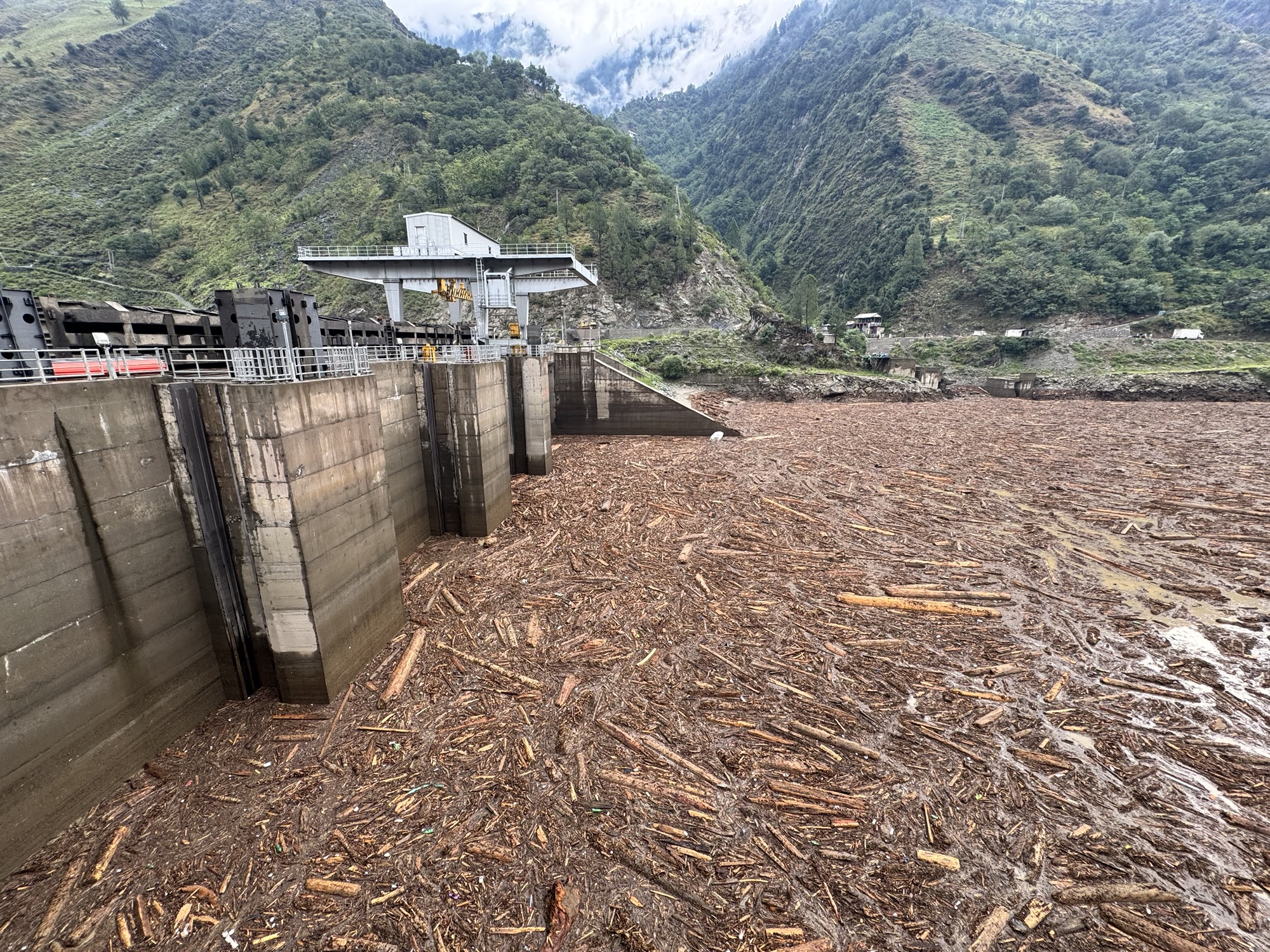
    When a cloudburst flood hits mountainous regions, it doesn’t just bring water—it also carries huge amounts of soil, rocks, and uprooted trees. One of the most striking effects is seen in dam reservoirs, where floating logs and wooden debris pile up after heavy floods. This natural phenomenon creates serious operational challenges for dam authorities and highlights the raw power of nature.

    How Floods Carry Woods Into Reservoirs

    During intense rainfall and flash flooding:

    Uprooted trees and branches are swept away by fast-moving rivers. Landslides triggered by heavy rain push forest debris downstream. Strong water currents transport logs until they settle in the reservoir.

    As a result, the dam surface becomes a massive floating carpet of wood debris, blocking clear water flow.

    Impact of Floating Logs on Dams

    Flood-borne wood debris can cause multiple problems:

    Blockage of Spillways – Floating logs can obstruct radial and flap gates. Damage to Structures – Logs hitting spillways, intake gates, and tunnels may cause cracks or damage. Reduced Storage Efficiency – Thick wood layers reduce water flow and storage. Higher Maintenance Costs – Clearing thousands of logs requires heavy machinery and manpower.

    How Reservoirs Manage Flood Debris

    To ensure smooth dam operation, several measures are taken:

    Log Booms: Steel ropes across reservoirs to trap floating wood before reaching spillways. Mechanical Clearing: Cranes, barges, and excavators remove the accumulated debris. Flushing Operations: Controlled water releases help push logs downstream.

    A Repeated Challenge for Mountain Dams

    Every year, especially during the monsoon, mountain dams face the challenge of floating wood after floods. It is a reminder that while dams provide hydropower, irrigation, and flood control, they also need continuous maintenance to fight the impacts of nature.

    Conclusion

    The sight of flood-borne logs floating in a dam reservoir may look dramatic, but it highlights the constant struggle between natural disasters and man-made structures. Proper debris management ensures that dams continue to operate safely while preserving water quality and storage capacity.

    For more insights into mountain adventures, floods, and reservoir management, visit AdventureNat Online – your guide to nature and engineering.

    SEO Meta Data

    Meta Title: Flood Brings Woods Into Dam Reservoir | Floating Logs After Cloudburst

    Meta Description: Discover how cloudburst floods bring floating logs and debris into dam reservoirs. Learn about the impact on dams, maintenance challenges, and solutions for managing flood-borne wood.

    Tags: cloudburst flood, floating logs in reservoir, flood brings wood into dam, dam flood debris, reservoir maintenance, floating wood after flood, mountain dam challenges

    👉 Do you want me to make this in a WordPress-ready format (HTML with headings, meta tags, and image alt text) so you can just paste it into your site editor?