Tag: reservoir operation

  • Reservoir in a Narrow Valley – Nature Meets Engineering Masterpiece

    Reservoir in a Narrow Valley – Nature Meets Engineering Masterpiece

    Introduction

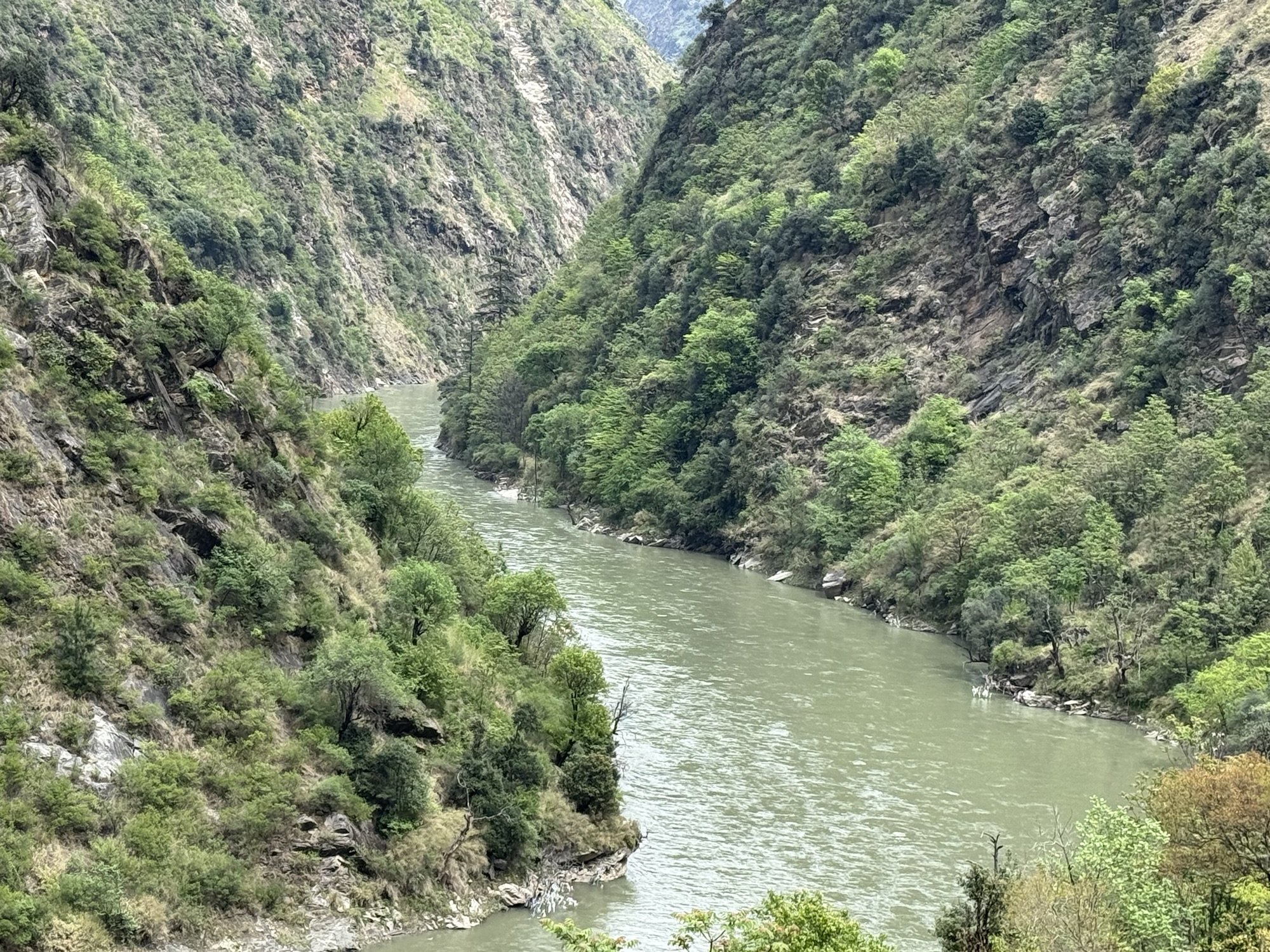
    A reservoir nestled within a narrow valley is one of the most breathtaking sights in mountainous regions. Surrounded by steep slopes, dense vegetation, and flowing water, these reservoirs are not only visually stunning but also play a vital role in hydropower generation, water storage, and flood control.

    What is a Reservoir in a Narrow Valley?

    A narrow valley reservoir is formed when a river flowing through steep mountainous terrain is impounded by a dam. Due to the confined geography, the water body stretches longitudinally, creating a deep and elongated storage system.

    This type of reservoir is commonly found in regions like northern Pakistan, where rivers cut through rugged mountains, offering ideal conditions for dam construction.

    Key Features of Narrow Valley Reservoirs

    1. Steep Slopes and Deep Water

    The valley sides rise sharply, allowing the reservoir to store large volumes of water with minimal surface area.

    2. High Storage Efficiency

    Because of the natural topography, less land is submerged compared to wide valley reservoirs.

    3. Reduced Evaporation Losses

    Narrow reservoirs typically experience lower evaporation due to limited surface exposure.

    4. Ideal for Hydropower Projects

    These reservoirs are highly suitable for run-of-the-river and storage-based hydropower plants due to high hydraulic head.

    Engineering Significance

    Reservoirs in narrow valleys are preferred sites for major dam projects because:

    Strong abutments provide natural support for dam structures High head increases power generation efficiency Compact design reduces construction material and cost Sediment control becomes manageable with proper flushing systems

    For engineers, these sites are a perfect blend of natural advantage and structural stability.

    Environmental and Scenic Value

    Apart from engineering benefits, these reservoirs are incredibly scenic:

    Surrounded by lush greenery and forested hills Offer breathtaking views during cloudy and rainy weather Serve as habitats for wildlife and aquatic species Attract tourists, photographers, and nature lovers

    The calm water surface reflecting the mountains creates a peaceful and cinematic landscape.

    Challenges in Narrow Valley Reservoirs

    Despite their advantages, these reservoirs face some challenges:

    Sediment deposition due to high flow velocities Landslides along steep slopes Limited accessibility for maintenance Flood management complexity during extreme inflows

    Proper design and monitoring systems are essential to tackle these issues.

    Conclusion

    Reservoirs in narrow valleys are a perfect example of how nature and engineering work together. They not only support hydropower development and water management but also enhance the natural beauty of mountainous regions.

    For anyone passionate about dams, hydrology, or nature, these reservoirs offer a unique perspective where science meets scenery.
  • Inside the Spillway: Radial Gate Opened for Major Repair

    Inside the Spillway: Radial Gate Opened for Major Repair

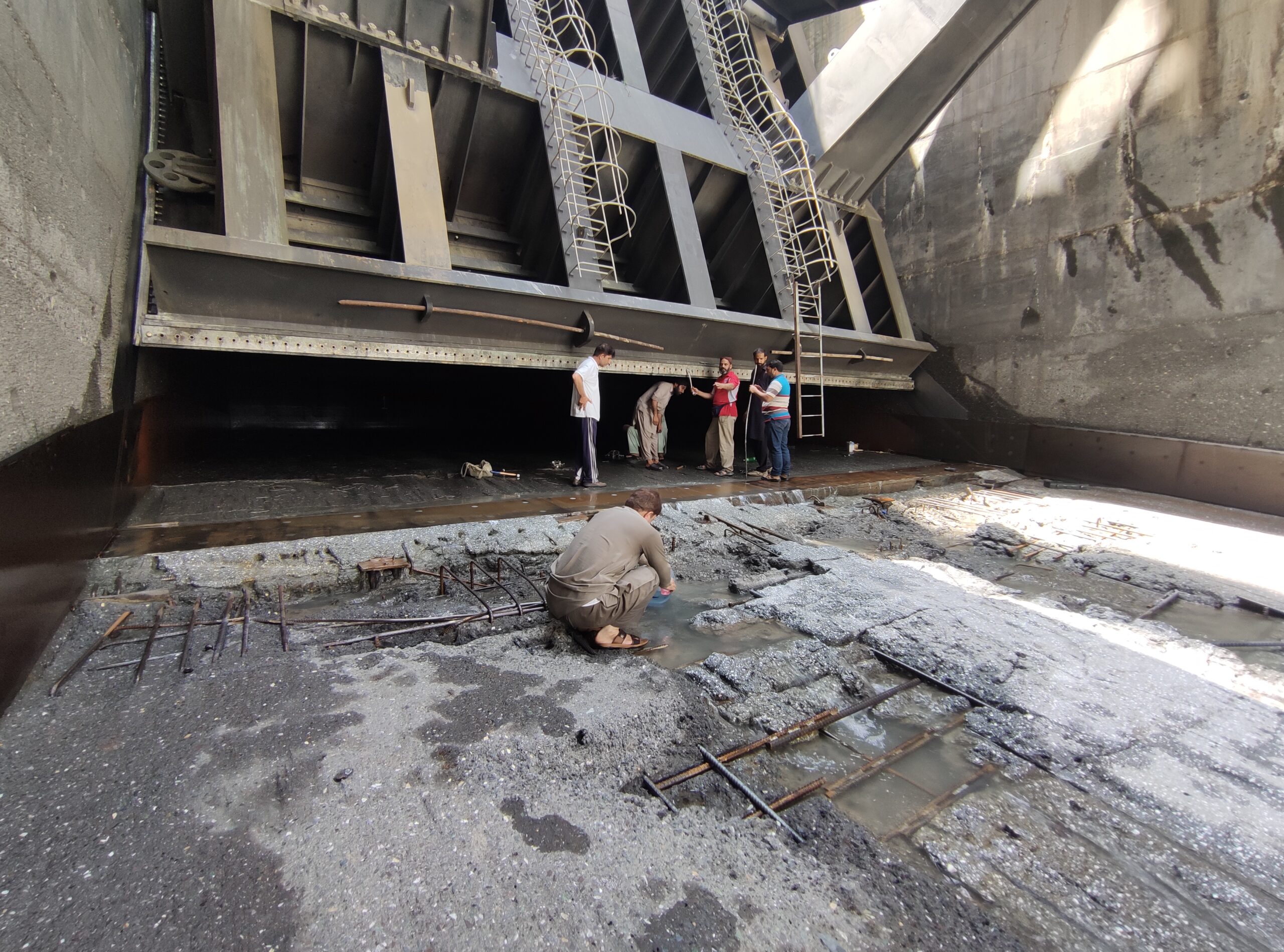
    Introduction Dams play a crucial role in water management, hydroelectric power generation, and flood control. However, maintaining their efficiency requires regular inspection and repairs. Recently, one of the radial gates of our dam spillway was opened for an essential maintenance operation, revealing an inside look at the massive steel structure that controls water flow.

    Why the Repair Was Needed Over time, constant exposure to high-pressure water, sediment abrasion, and structural loads can cause wear and tear on spillway gates. In this case, engineers identified surface corrosion, concrete damage at the spillway apron, and minor leakage, necessitating urgent rehabilitation.

    The Repair Process

    1. Gate Deactivation: Before any work could begin, the radial gate was safely deactivated, with upstream water levels carefully managed to prevent uncontrolled releases.
    2. Structural Inspection: A team of engineers and hydropower specialists conducted a thorough structural assessment, checking for rust accumulation, seal damage, and mechanical integrity.
    3. Concrete Restoration: The eroded spillway apron, visible in the images, needed reinforcement. Damaged sections were cut out, and new high-strength concrete was poured to restore stability.
    4. Gate Sealing & Lubrication: The radial gate’s seals were replaced to prevent leakage, and moving parts were lubricated to ensure smooth operation.
    5. Final Testing: Once repairs were complete, the gate was tested multiple times to ensure it could operate seamlessly under load conditions.

    Challenges Faced Working in a spillway presents multiple challenges, including limited accessibility, the presence of residual water, and the need for precision engineering. Heavy machinery was brought in to assist with concrete repairs, while divers and technicians worked closely to examine submerged areas.

    Impact on Hydropower & Water Management A malfunctioning spillway gate can lead to inefficient reservoir operation, unplanned water releases, and even safety concerns. This repair not only ensures the continued reliability of the hydropower plant but also improves flood management by guaranteeing controlled water discharge during high inflows.

    Conclusion The opening of a radial spillway gate for maintenance is a rare and challenging event, offering valuable insights into dam engineering. These efforts help sustain the longevity and efficiency of the dam, ensuring optimal water resource management for years to come.