

🔑 Introduction: Managing Extreme Flood Events in Hydropower Systems
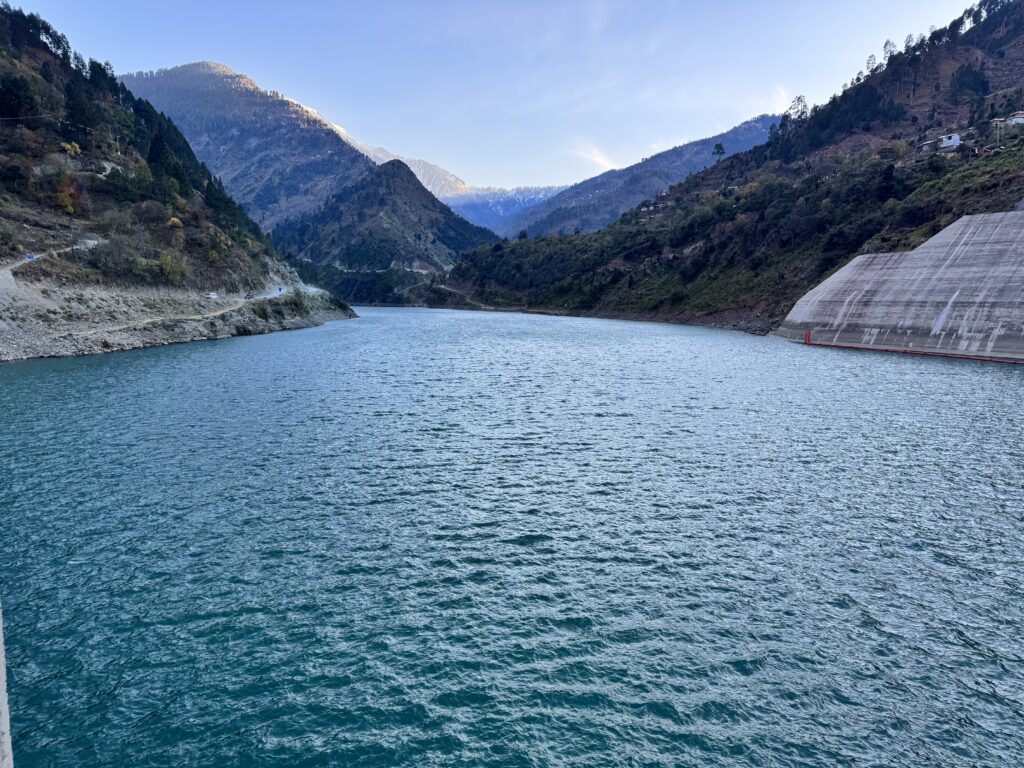
Run-of-the-river hydropower projects are designed to generate electricity from natural river flow with minimal storage. However, during high flood conditions, these systems must safely manage enormous water volumes to protect downstream areas and dam structures.
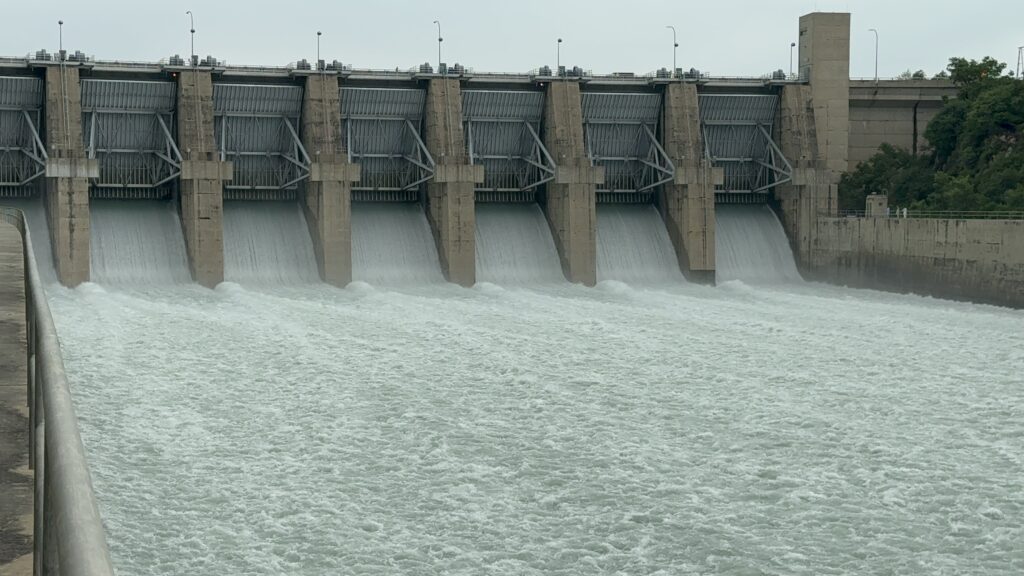
Unlike large storage dams, run-of-river schemes rely heavily on spillways, gated structures, and real-time flow regulation to pass floodwater safely without causing damage or upstream flooding.
⚙️ How Run-of-the-River Dams Handle High Floods
During normal conditions, most of the river water is diverted through turbines for power generation. But when river discharge increases sharply due to heavy rainfall or snowmelt, the system automatically shifts into flood management mode.
Key operations include:
💧 1. Spillway Gate Opening
Spillways are opened to release excess water safely downstream when turbine capacity is exceeded. This prevents overtopping and structural stress.
🌊 2. Bypass Flow Management
Extra water is diverted away from turbines to maintain safe hydraulic conditions inside the powerhouse.
⚡ 3. Turbine Flow Limitation
Turbines are operated within safe discharge limits to avoid cavitation, vibration, and mechanical damage.
🧠 4. Real-Time Monitoring Systems
Hydrological sensors continuously measure:
- River inflow
- Reservoir level
- Sediment load
- Downstream discharge
This allows quick response during sudden flood surges.
🏗️ Importance of Spillways in Flood Protection
Spillways are the most critical safety component of hydropower dams.
They ensure:
- Controlled release of floodwater
- Protection of dam structure from overtopping
- Reduction of downstream flood peaks
- Energy dissipation to prevent riverbed erosion
Without properly designed spillways, even a small rise in water level can lead to serious structural failure.
🌧️ Flood Behavior in Run-of-River Projects
Run-of-river hydropower plants have very limited storage capacity, meaning:
- They cannot store large flood volumes
- Water inflow ≈ water outflow during floods
- River behavior remains mostly natural
- Flood peaks are passed downstream with regulation
During extreme events, the system essentially behaves like a controlled river bypass system, not a storage reservoir.
⚠️ Challenges During High Flood Events
Hydropower engineers face several challenges:
- Sudden flash floods with short warning time
- Heavy sediment and debris load
- Gate vibration under high velocity flow
- Erosion risk at downstream stilling basins
- Limited control over natural inflow
Proper design and maintenance are essential to ensure safe operation.
🧱 Energy Dissipation After Spillway Release
When high-velocity water is released, it carries huge kinetic energy. To control this:
- Stilling basins are used
- Energy dissipation blocks reduce velocity
- Flow is directed into natural river channels
This prevents riverbed scouring and bank erosion.
📊 Why Flood Management Matters in Hydropower
Effective flood handling ensures:
✔ Dam safety and structural integrity
✔ Protection of downstream communities
✔ Continuous power generation stability
✔ Long-term sustainability of the project
Run-of-river hydropower is not just about electricity—it is also about river risk management during extreme hydrological events.